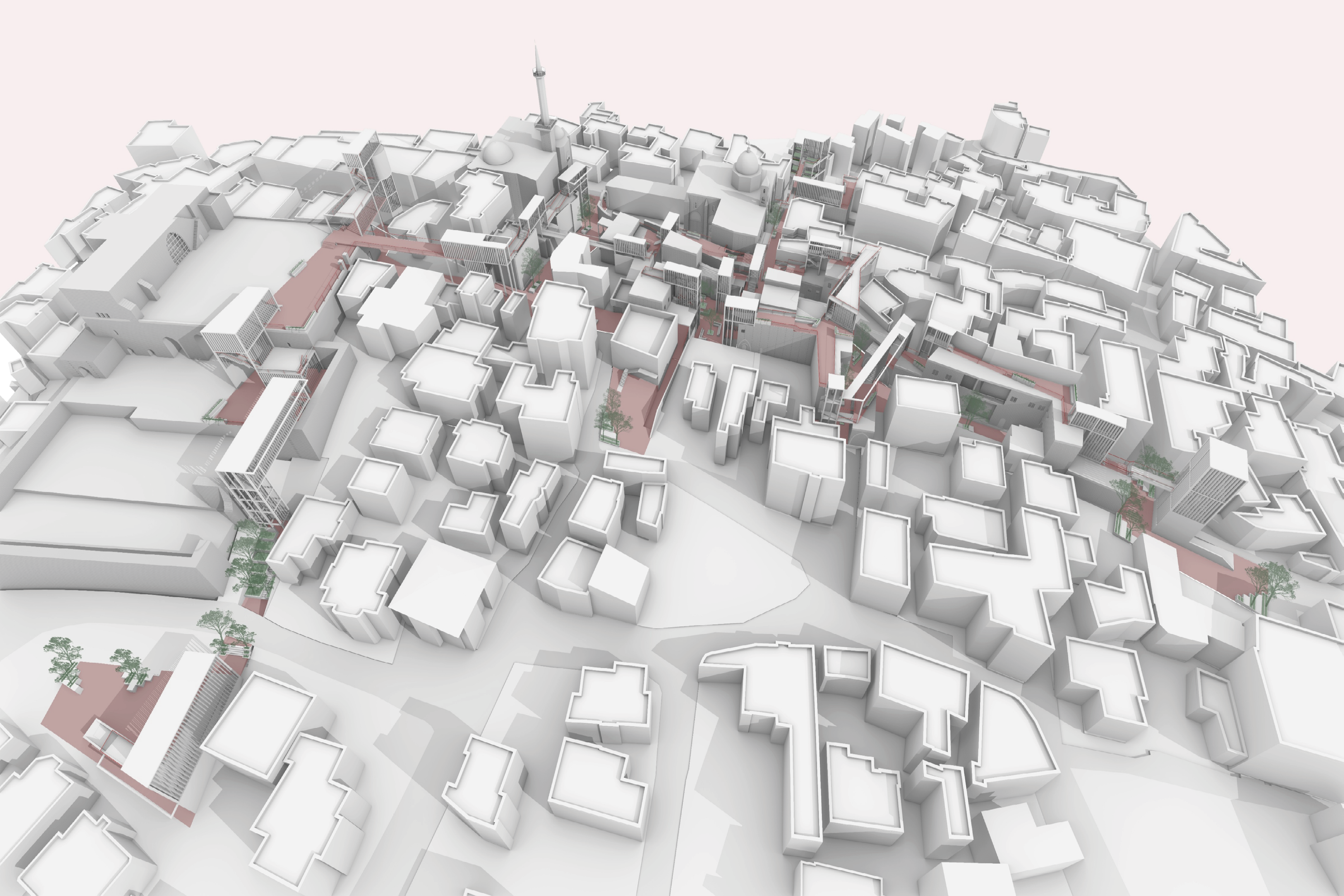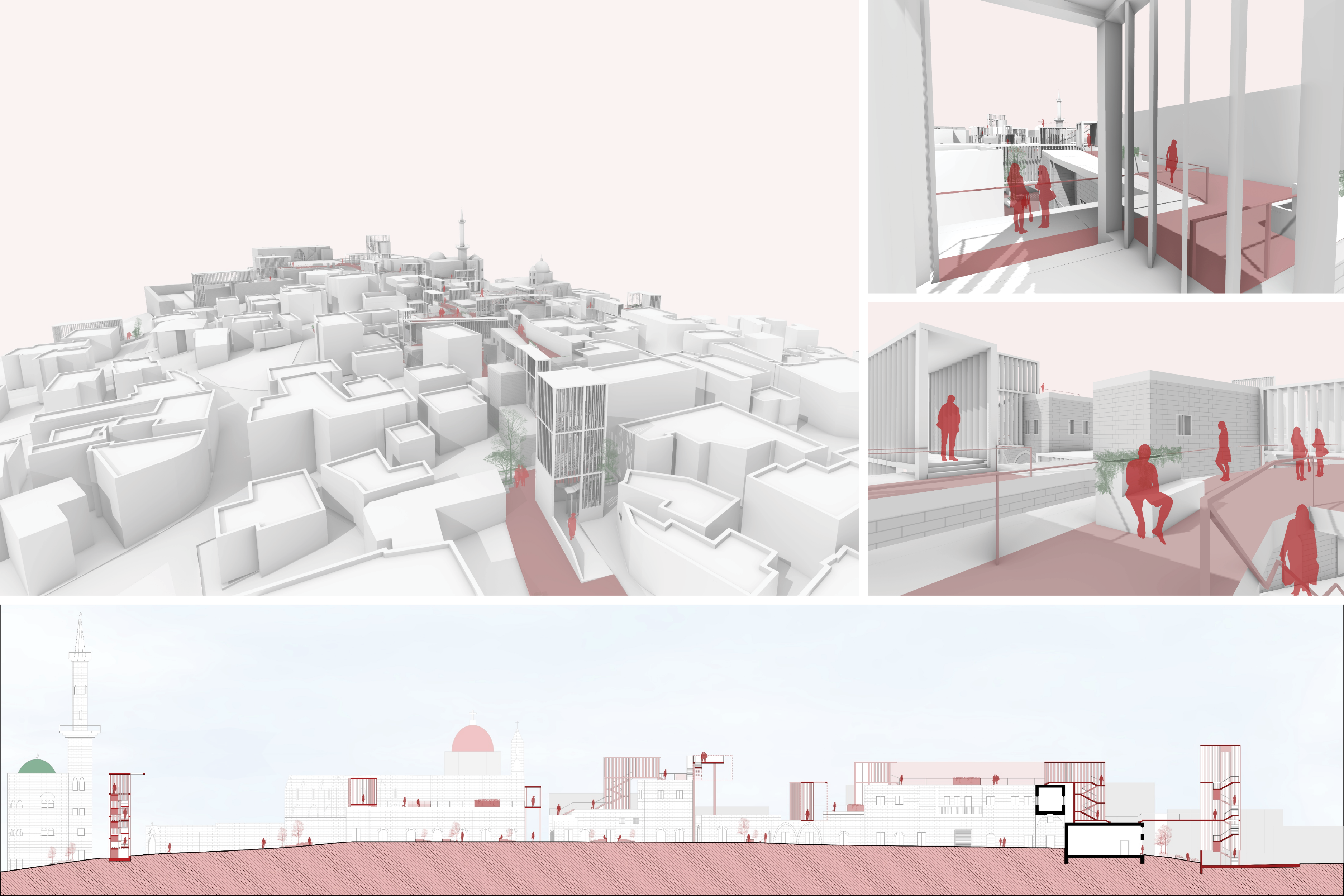


This project deals with the widespread phenomenon of neglect and abandonment of historic urban centers. Despite their cultural significance, many cities face a continuous decline in activity and a loss of symbolic status due to shifting lifestyles. This process leads to the gradual disappearance of these spaces’ “sixth facade”, the accumulated layer of historical memories associated with physical space. The erosion of this sixth facade weakens residents’ cultural cohesion, as it dismantles the shared urban memory that binds them. The project proposes reimagining the sixth facade as a tool for forging a new, shared architectural language that reconnects the city’s diverse parts with its historic core.
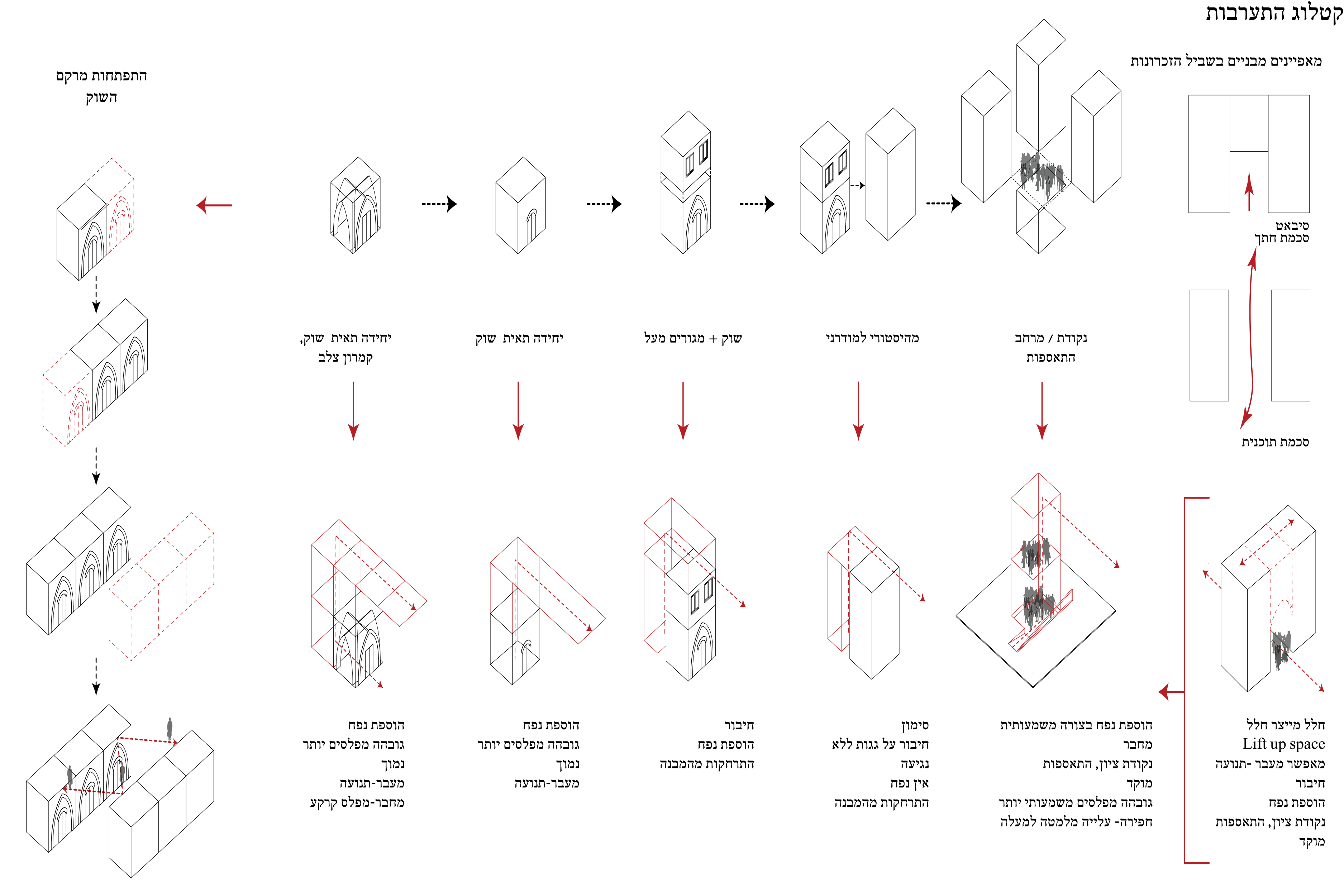
The abandonment and neglect of the historic core stem from the gap between historical architectural planning and contemporary lifestyle needs. Therefore, to reverse this trend, a strategic spatial intervention is required to adapt the historic fabric to present-day needs while creating a new urban network. This intervention relies on limited additions of built volumes to the historical core, designed to preserve architectural heritage while creating new spaces suited to today’s lifestyles.
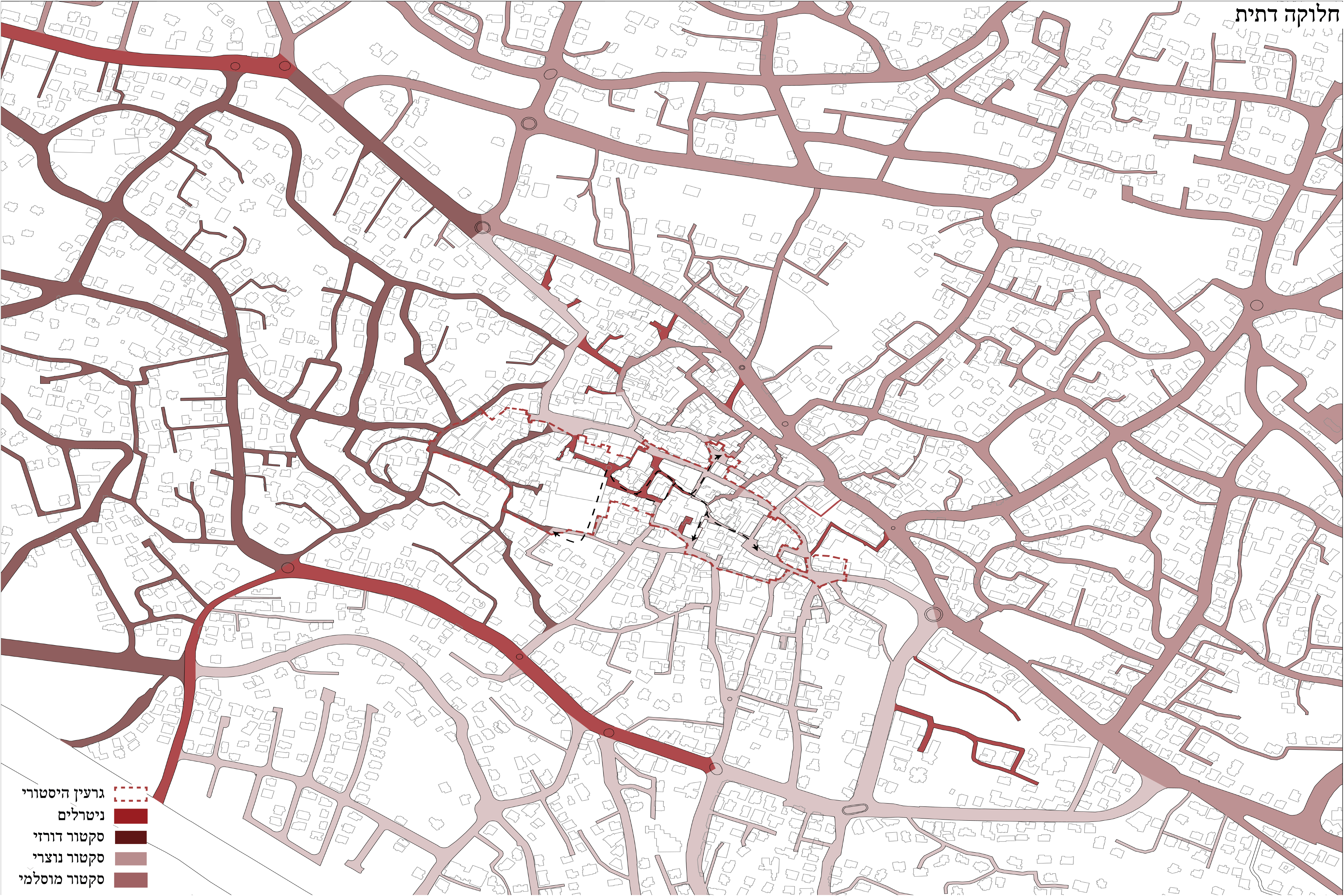
The city of Shefa-Amr serves as a case study. A religiously diverse city (Muslims, Christians, and Druze) with a long history of coexistence, its historical core contains diverse historical layers spanning centuries. In recent years, however, it has suffered abandonment, neglect, and disconnection from the rest of the city due to its incompatibility with modern life. This reality is leading to the gradual fading of the historic core’s sixth facade and the intensification of the disconnection between residents, expressed in the city’s division into three self-contained ethnic sectors.
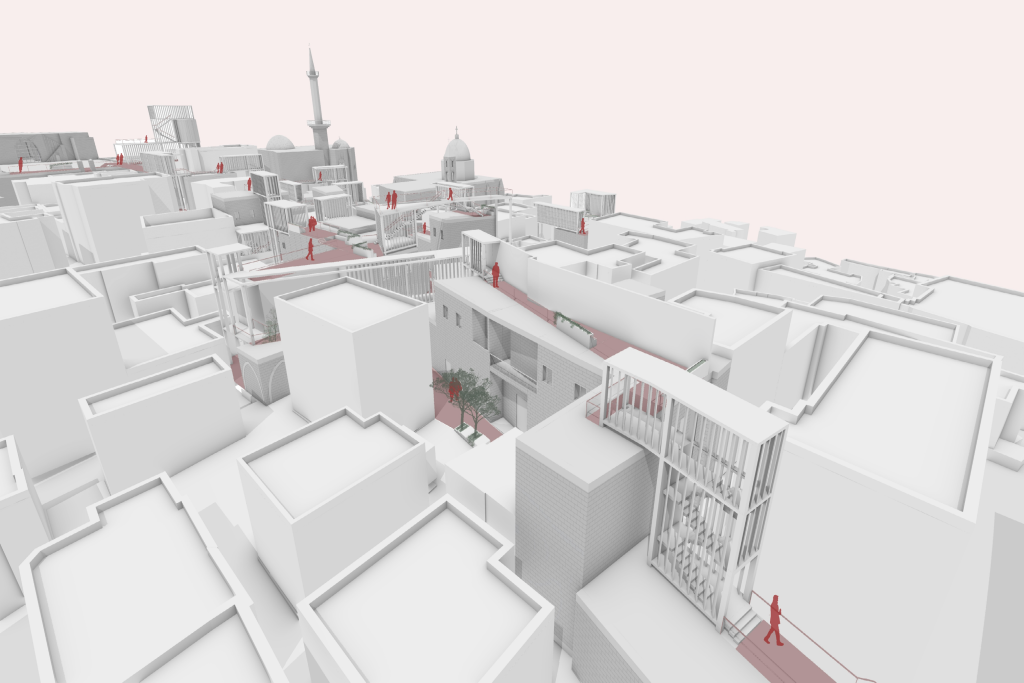
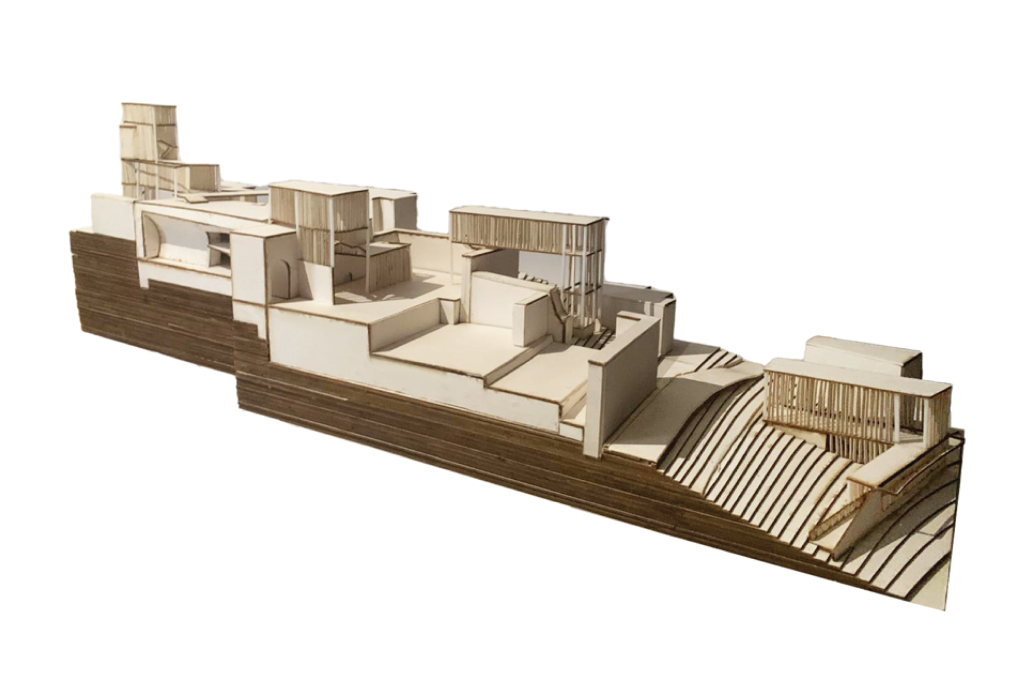
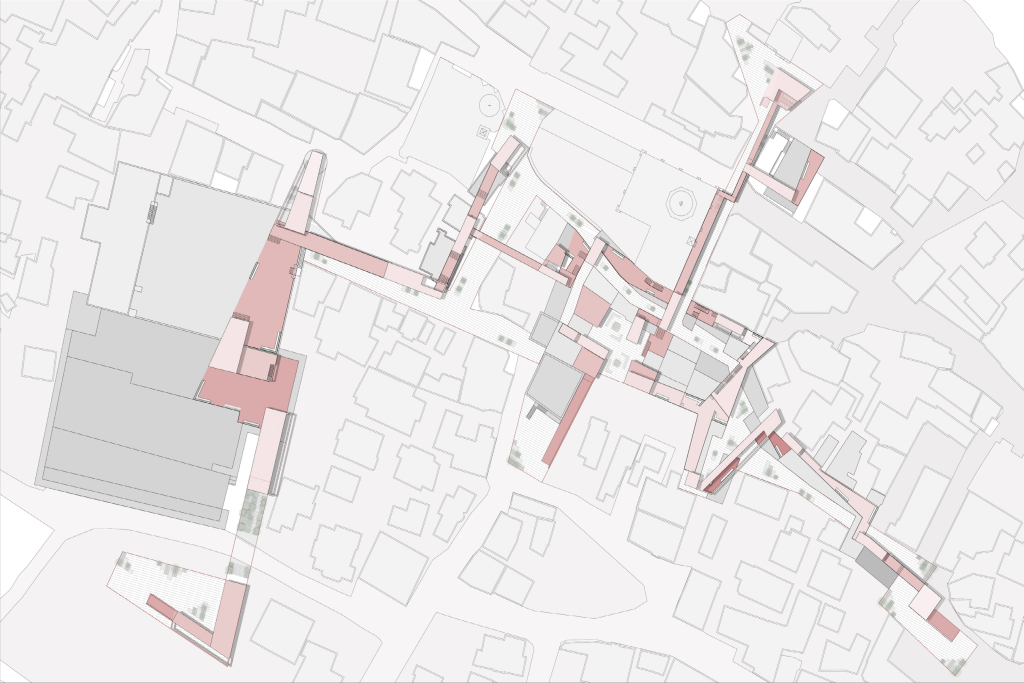
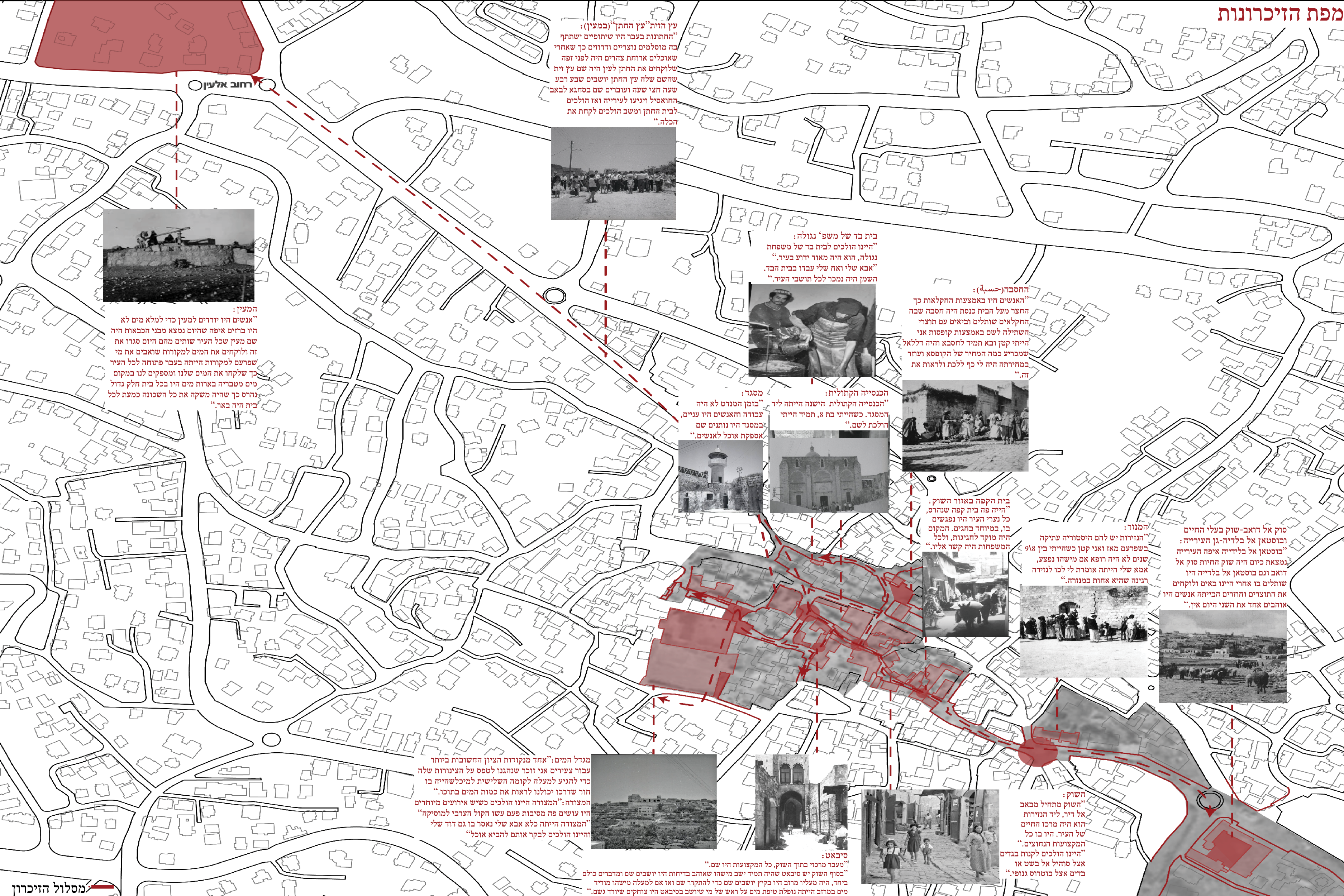
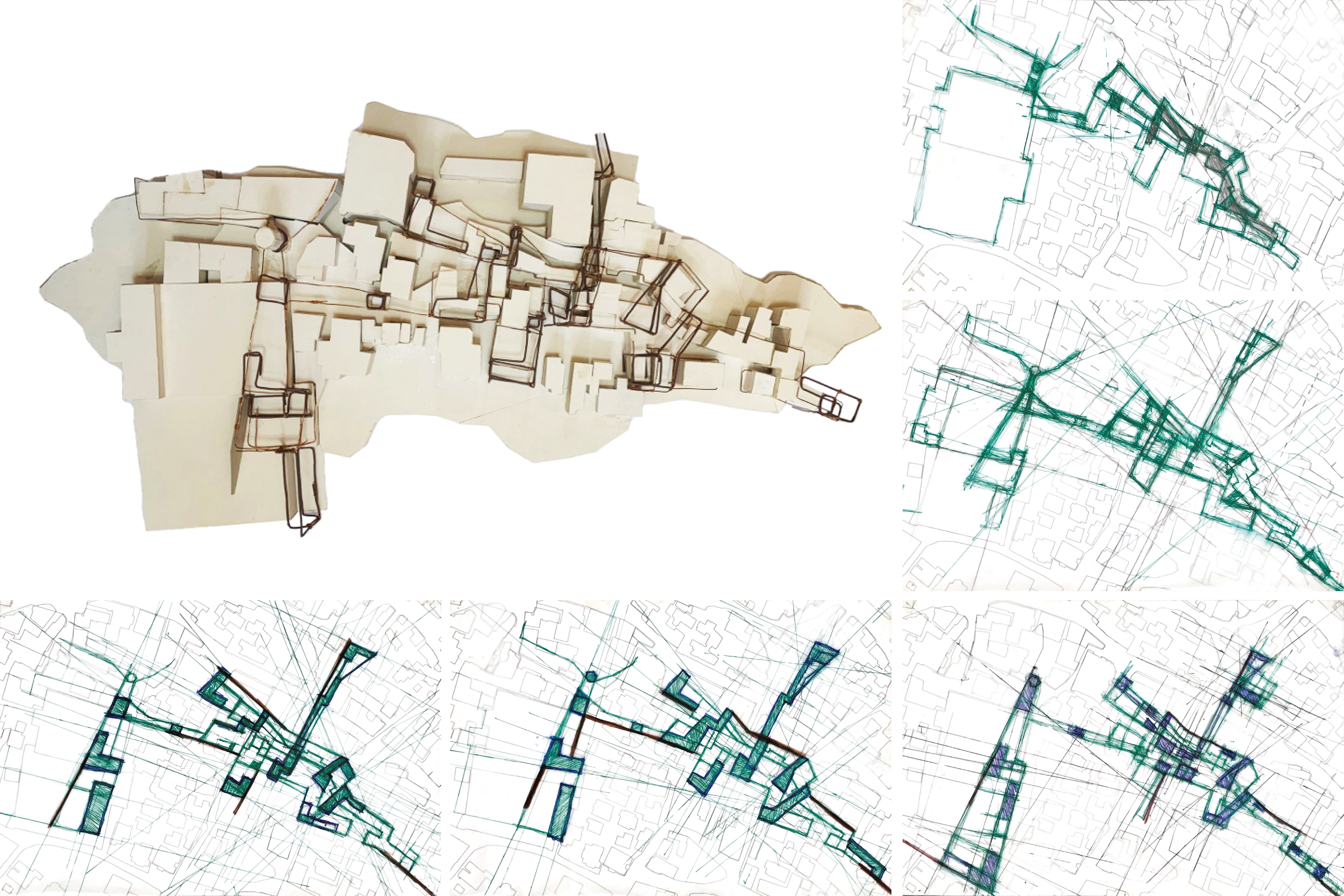
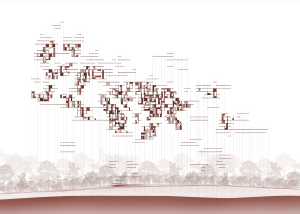
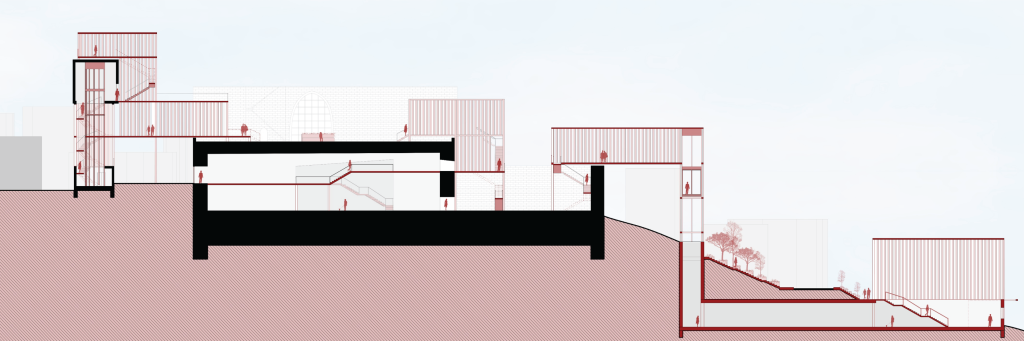
The project proposes a planning strategy that creates a new urban network by distributing revitalization points along the “memory route” of the sixth facade. This route links key memory focal points, forming an experiential journey of circulation and pause between the three ethnic sectors surrounding the historic core. The design of these points is based on the reinterpretation of the Sabat, a traditional building element (a private residential space built above a public road), as an archetype that transcends existing spatial boundaries and links them to memory remnants. This new spatial system acts as a shared, neutral territory, breaking the stagnation of the historic core and restoring its role in strengthening urban identity and fostering social connections among the city’s ethnic communities.