

In the wake of the crises of recent years—the COVID-19 pandemic, social tensions, and wars—youth in Israel are experiencing ongoing upheaval. Today’s teenagers are tomorrow’s citizens, and the urban environments in which they grow and develop are vital educational, social, and community resources. Despite the growing recognition of the importance of child-friendly environments, teenagers remain largely invisible in planning discourse. The lack of professional attention to their unique needs results in fenced, exclusionary, and overly supervised spaces that diminish their ability to linger, experience, and develop a sense of belonging.
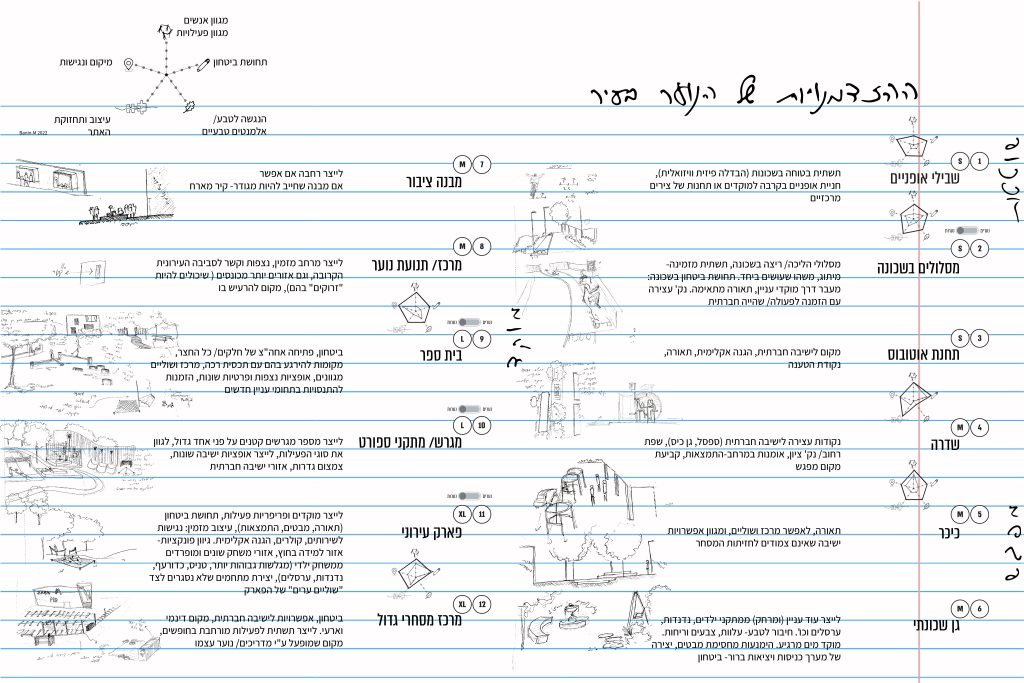
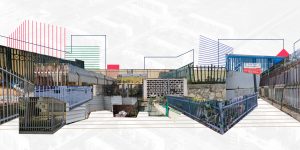
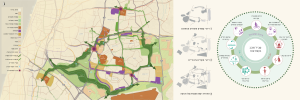
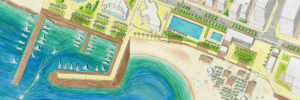
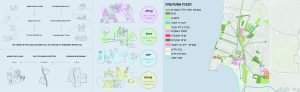
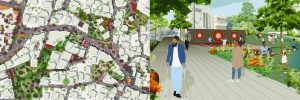
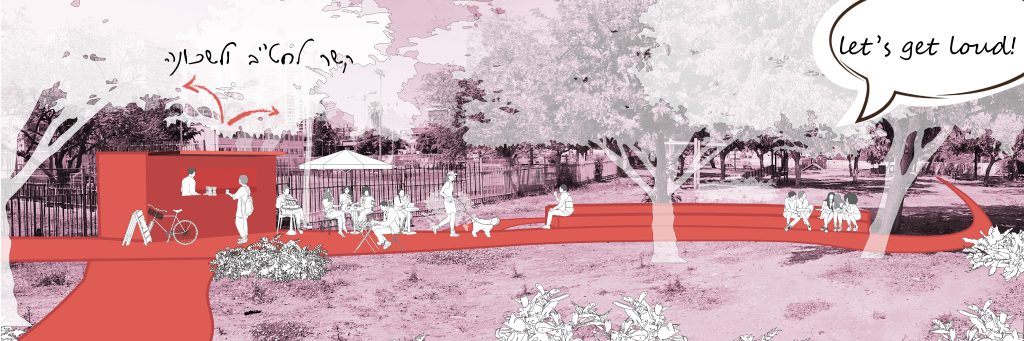
This project explores how cities can be designed to better support youth, laying the groundwork for future interventions in Israeli cities. Through a reading of Rishon LeZion—a historic yet rapidly growing city in the central metropolis—and an analysis of how youth use public space, three spatial frameworks for urban design are proposed, across different scales: movement, social gathering, and activity hubs.
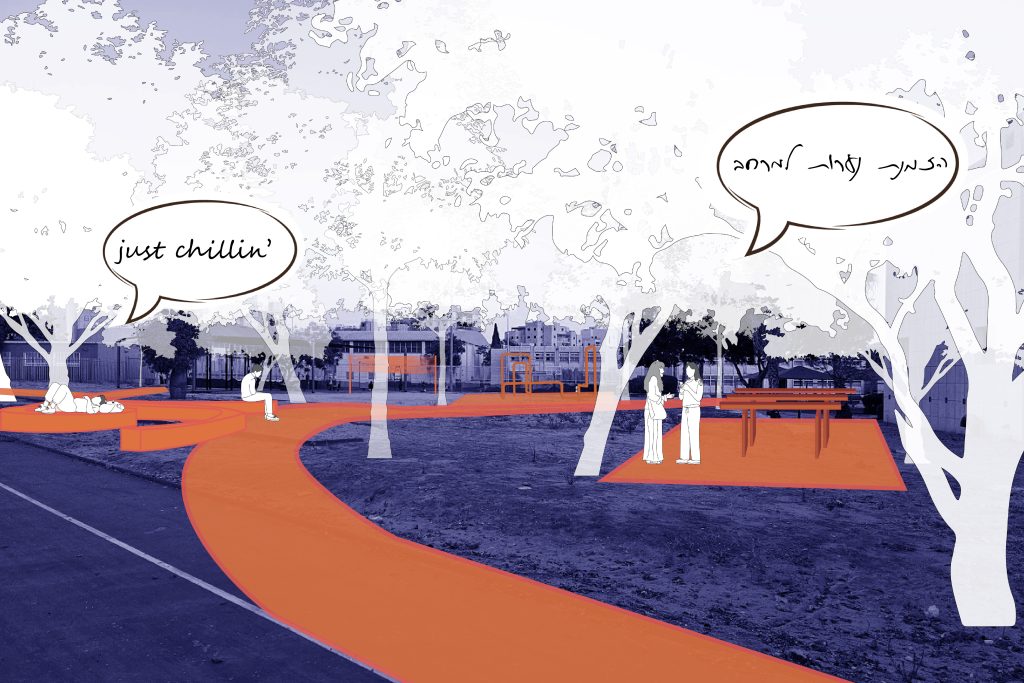
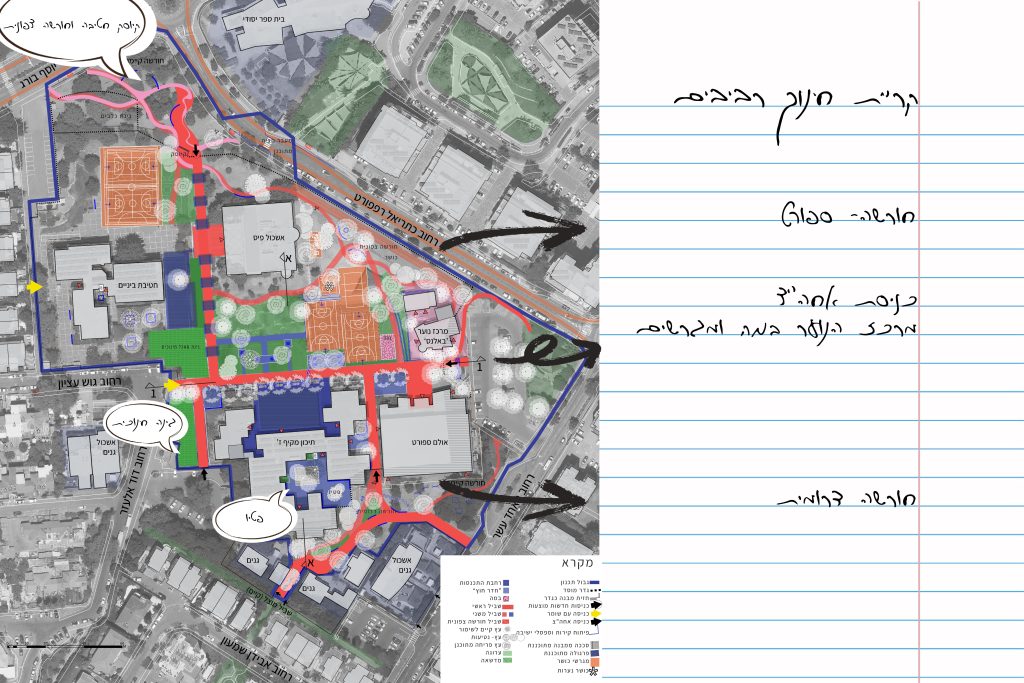
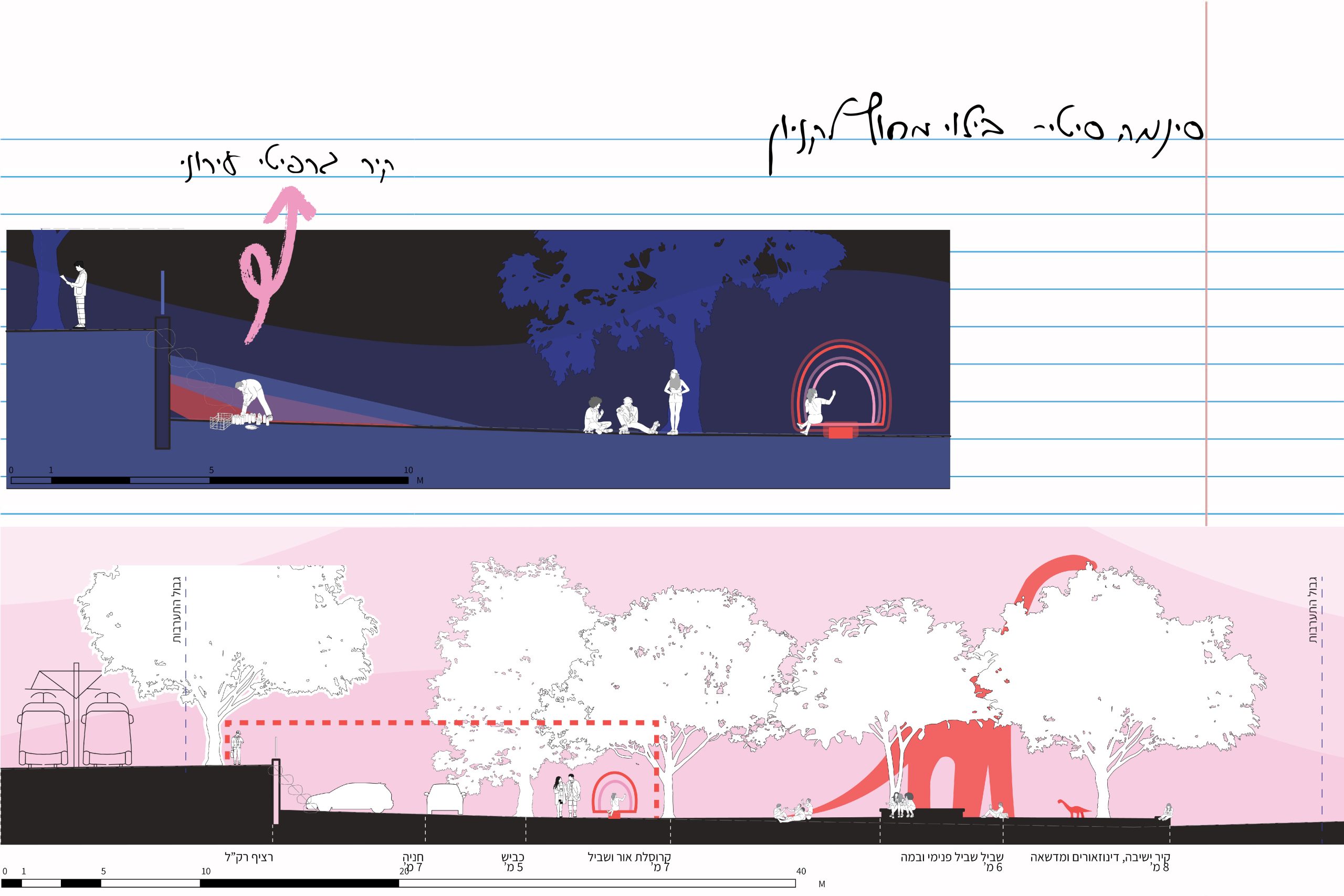
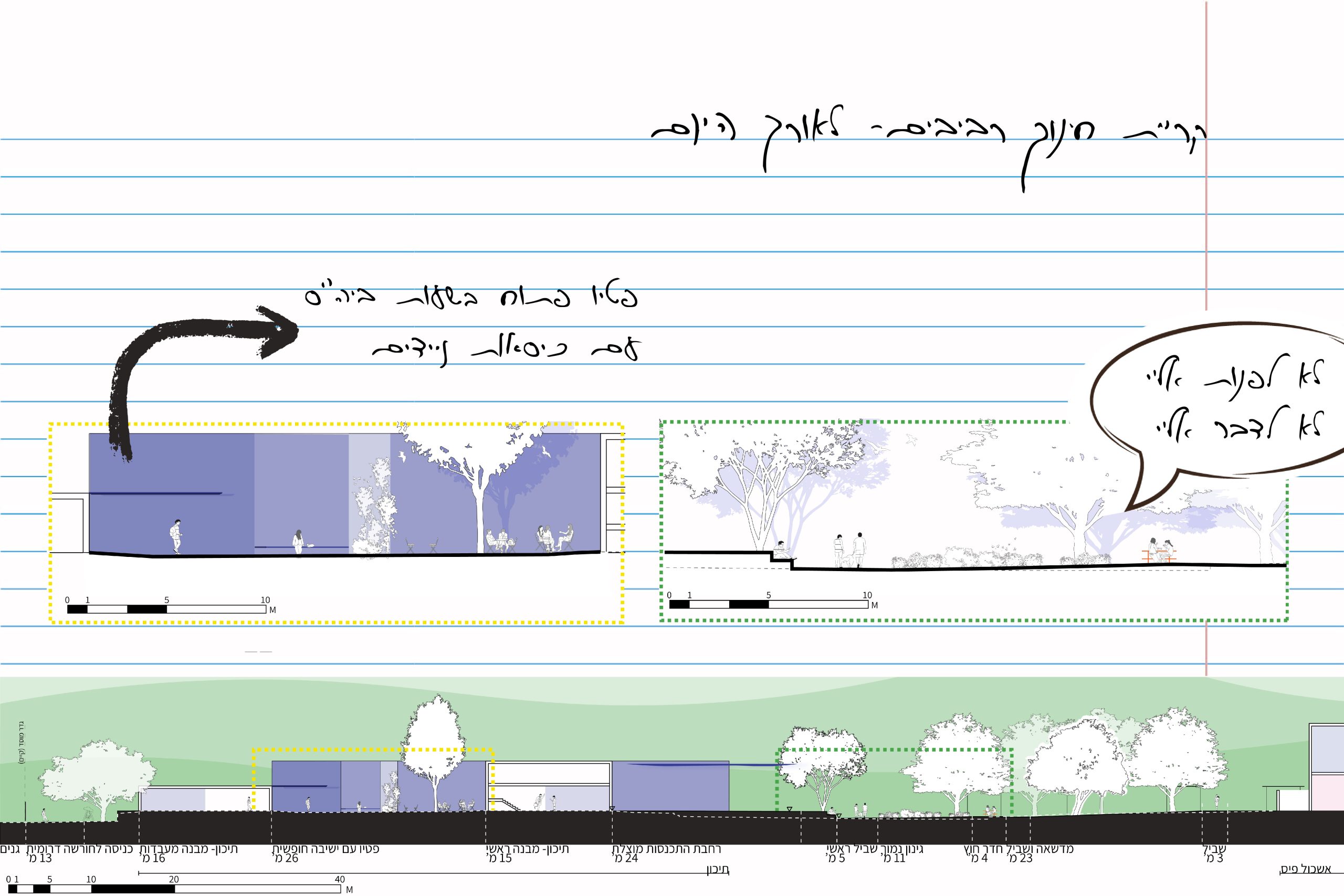
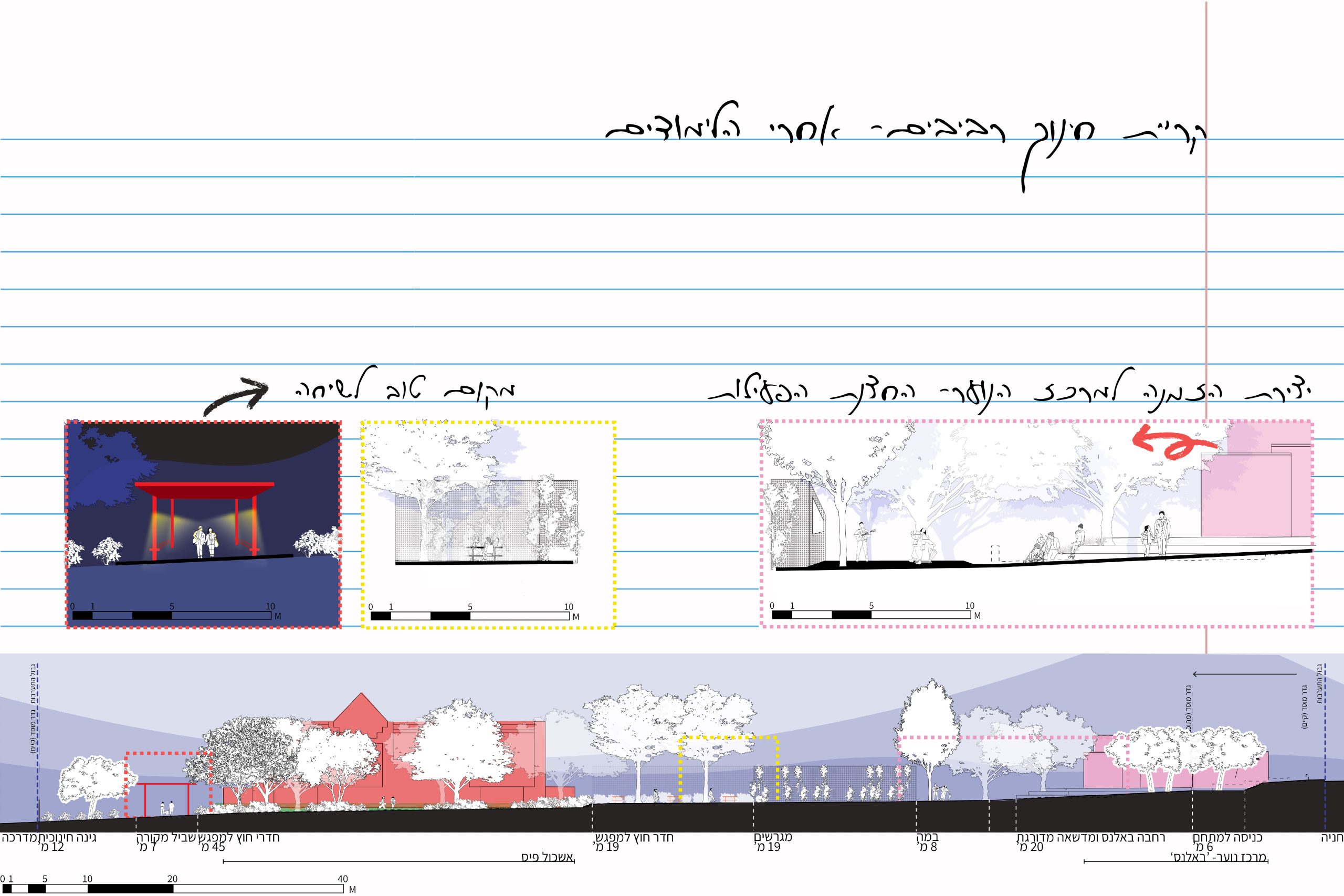
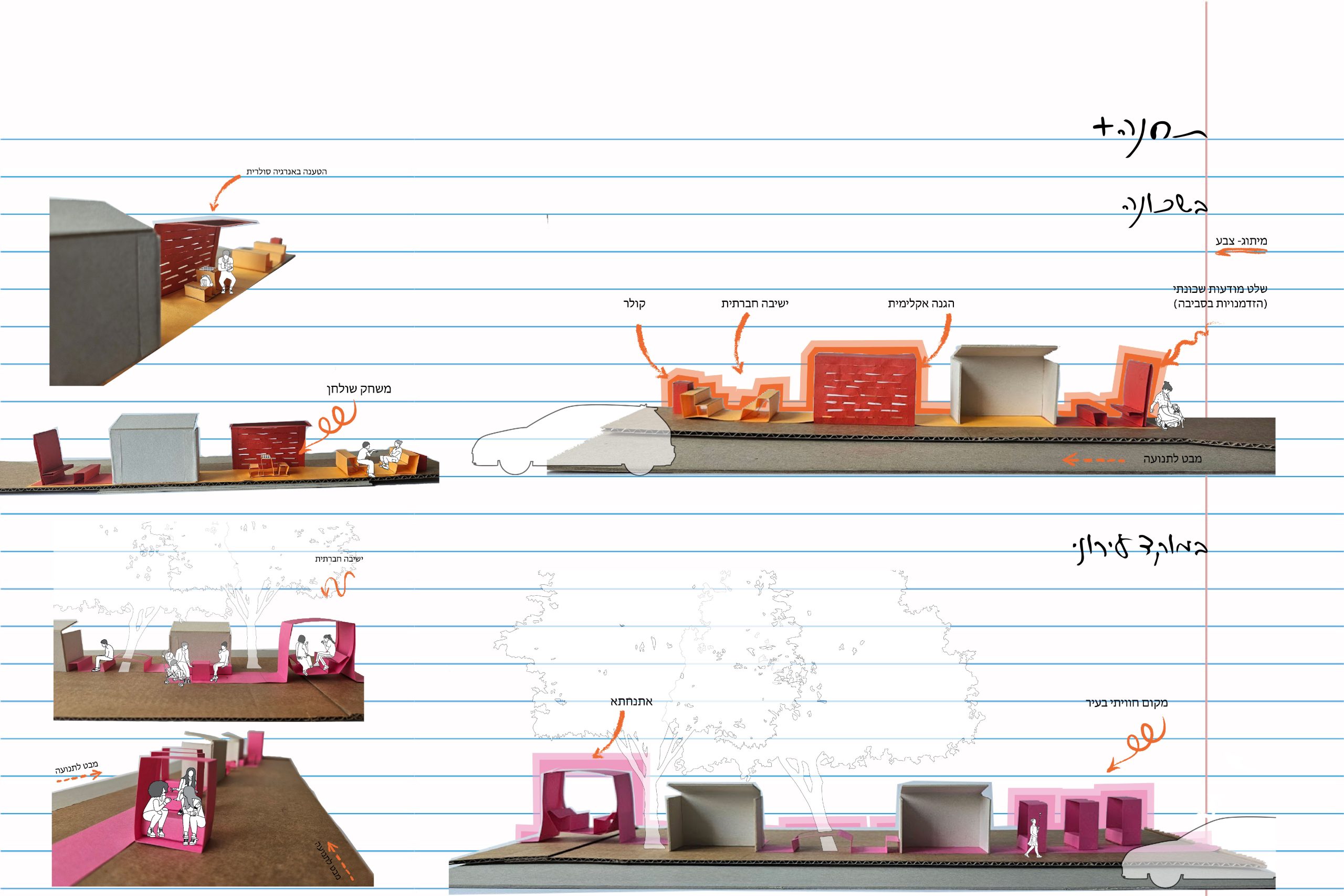
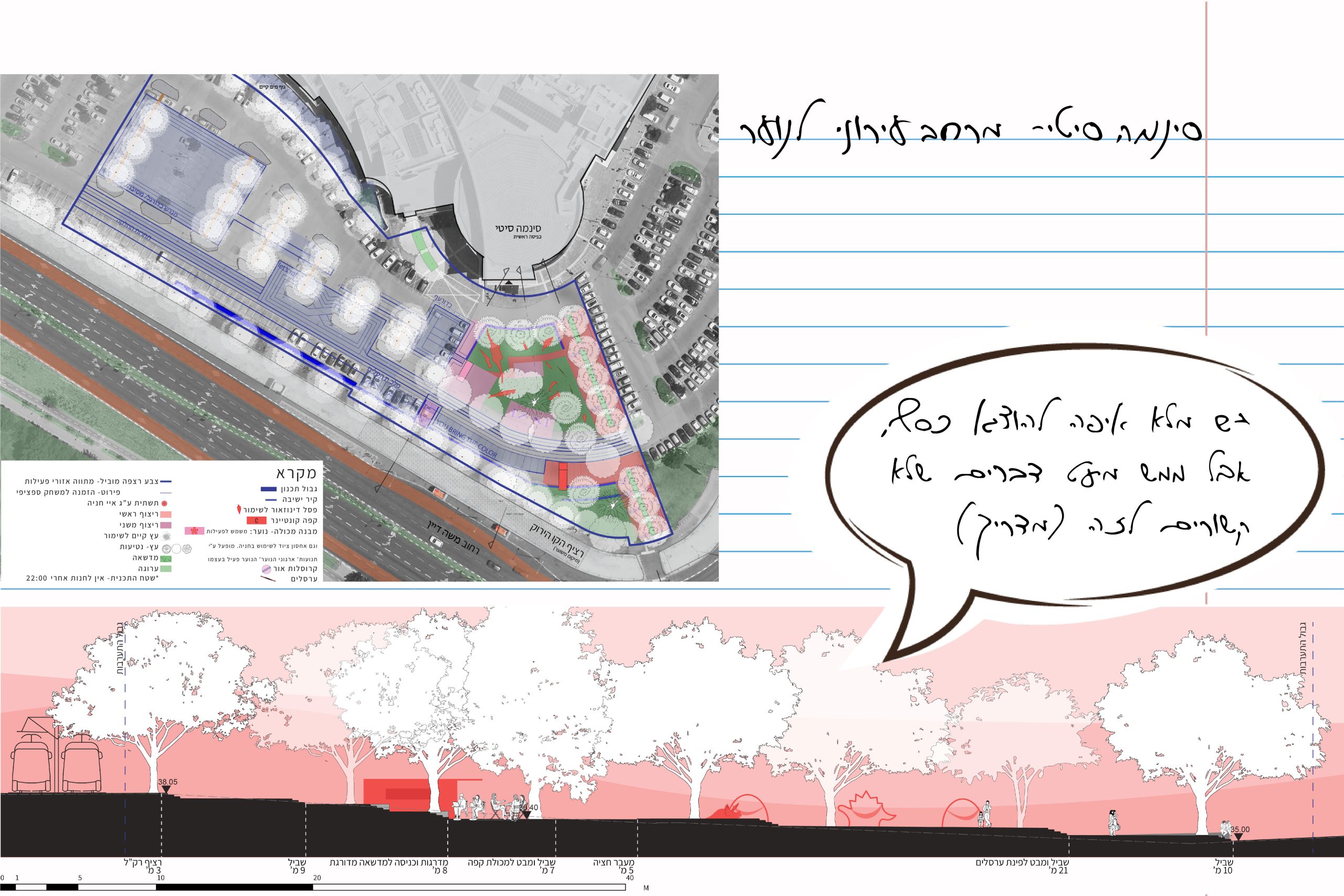
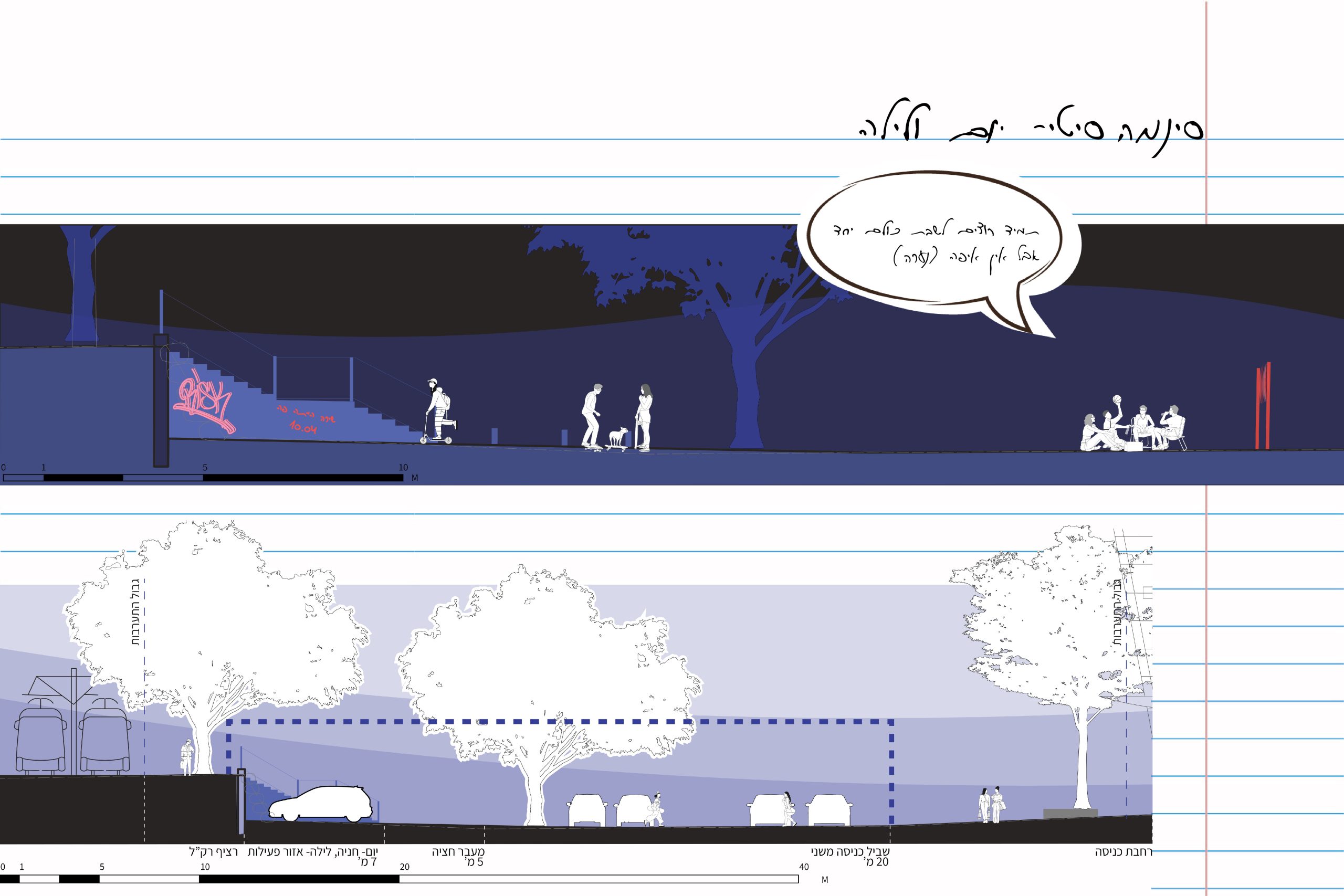
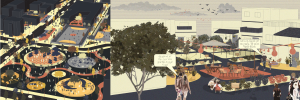
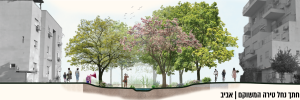
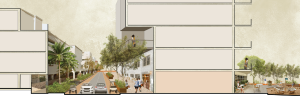
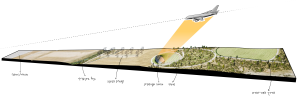
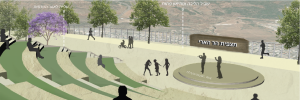
At the neighborhood scale, the landscape development of the Ravivim education campus redefines the area’s function throughout the day, creating a continuous, accessible, and inviting environment that encourages exploration, encounters, and experiences beyond school hours. At the city scale, the Cinema City complex is examined as a dynamic, multi-use center that offers an open, free public experience—an important alternative to the consumer-driven mall. Alongside these two focal points, the project proposes a model for rethinking bus stops as urban “pockets of presence”: small yet significant areas that invite youth to gather and engage as they move through the city.
The design addresses existing spatial conflicts: balancing youth’s need for independence with their need for safety, creating urban environments that accommodate their presence despite the critical gaze often directed toward them, and removing gender-based barriers faced by girls in public space while actively inviting their exploration and participation.
Youth cannot remain at the margins of urban planning. An urban design approach that recognizes their needs and potential can foster more equitable, resilient, and community-oriented cities—cities that invite exploration, encounters, challenges, and opportunities.