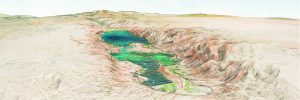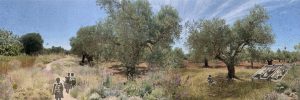


In the eastern Lower Galilee, between the Gilboa Nature Reserve and Mount Tabor, lie the seven villages of the Zoubi tribe. These villages are characterized by cultural richness and a unique communal identity, yet they face systemic neglect, socio-economic disparities, and physical and social isolation, particularly the villages of the Bustan al-Marj Regional Council.
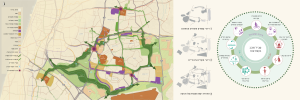
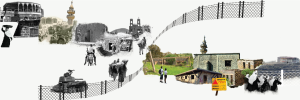
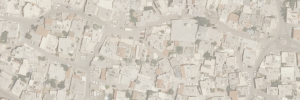
This reality is reflected in the space in several key ways, the most prominent being the absence of territorial continuity between the council’s villages. The regional council, established in 2001 for political reasons without comprehensive spatial planning, left the villages as isolated enclaves surrounded by other regional councils. The lack of territorial and functional continuity intensifies the sense of disconnection and limits access to basic services and regional cooperation, leading to the erosion of social cohesion and the loss of local opportunities.
Community symbols such as the Sulam’s football team, once a source of pride and belonging, disappeared due to financial difficulties, creating a void in local identity. The project aims to foster systemic transformation in the Bustan al-Marj villages through inclusive regional connectivity, infrastructure rehabilitation, and the strengthening of local community systems, with the goal of creating an integrated, connected rural community with social and spatial resilience.
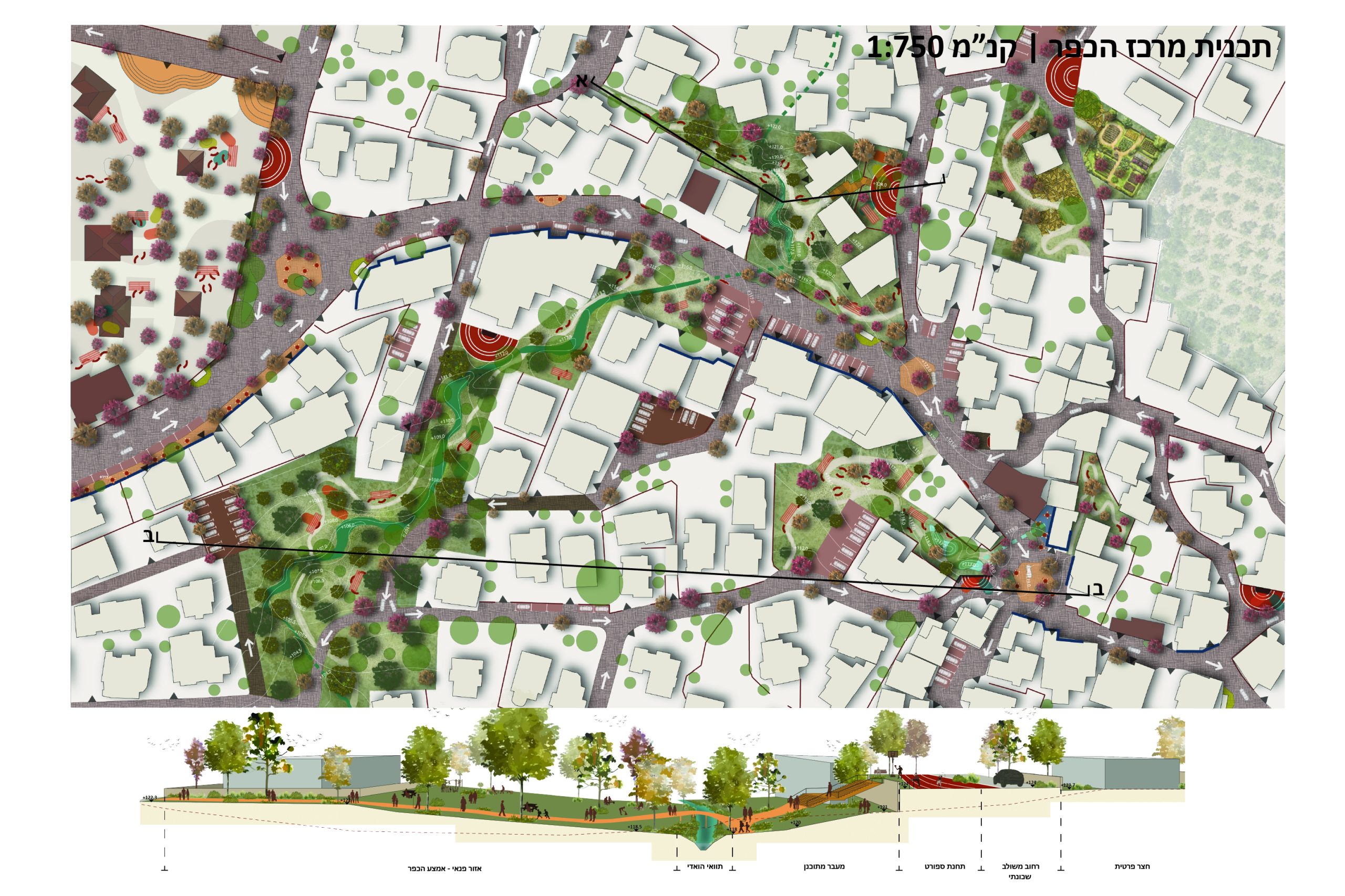
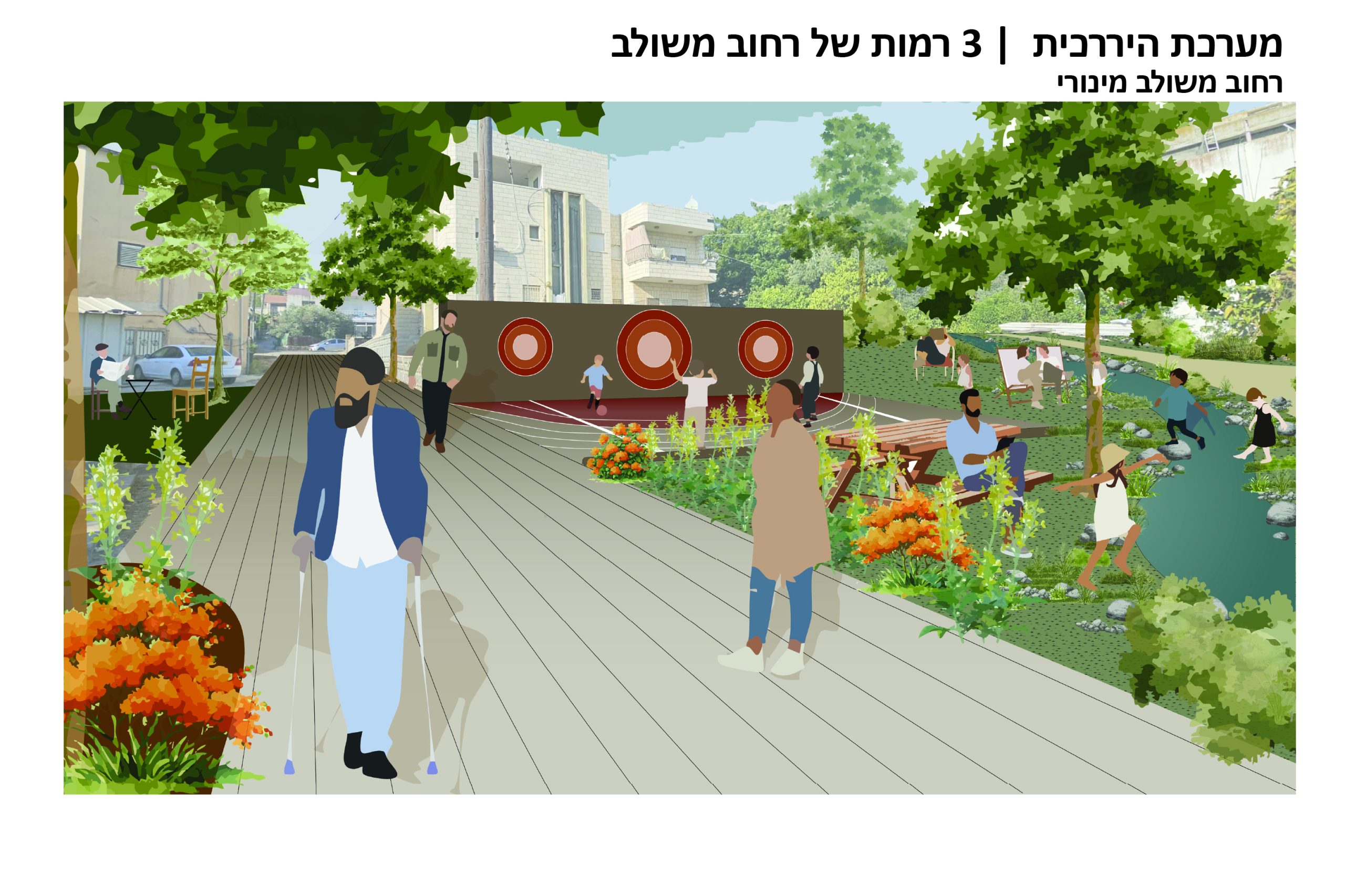
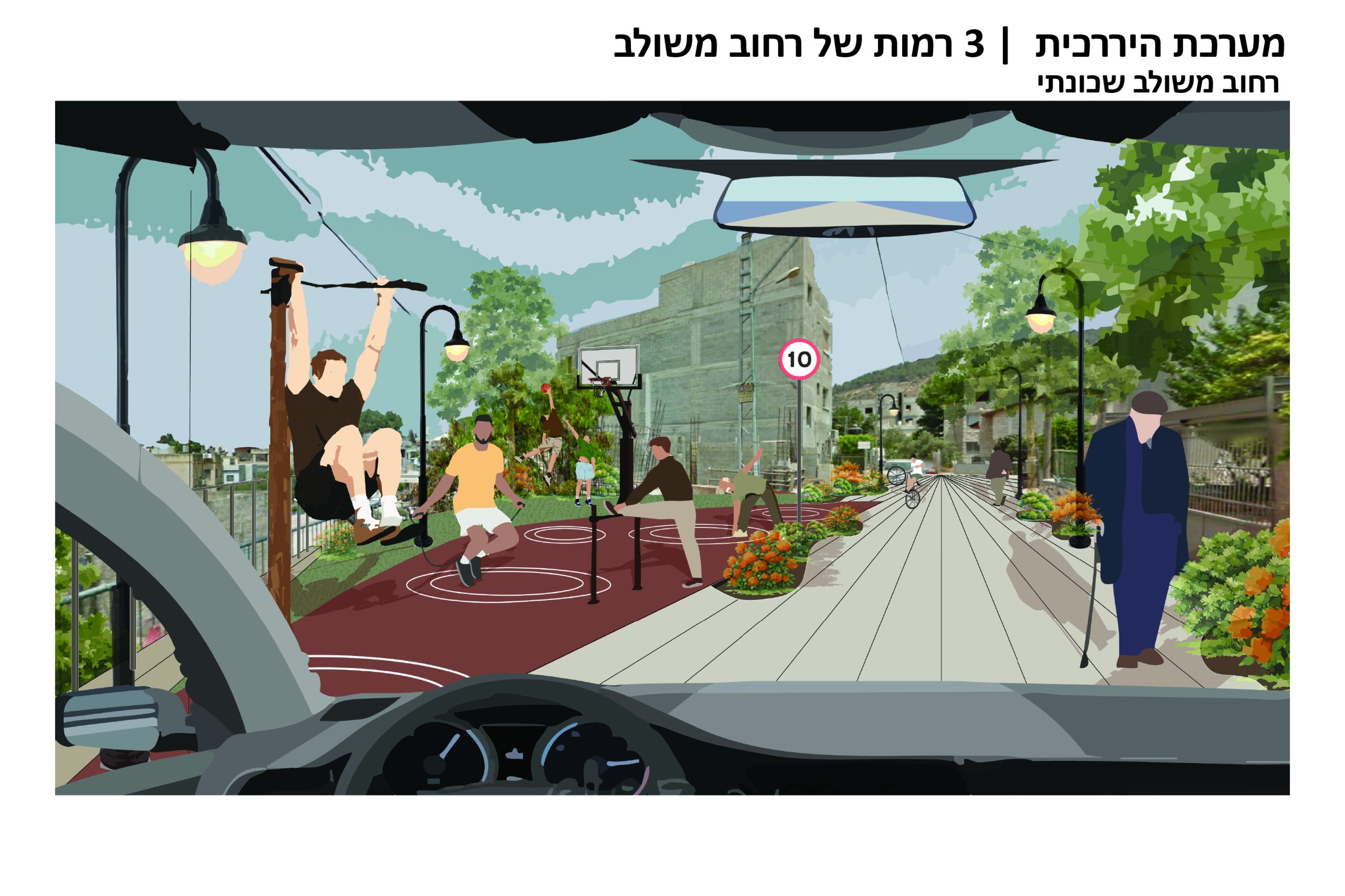
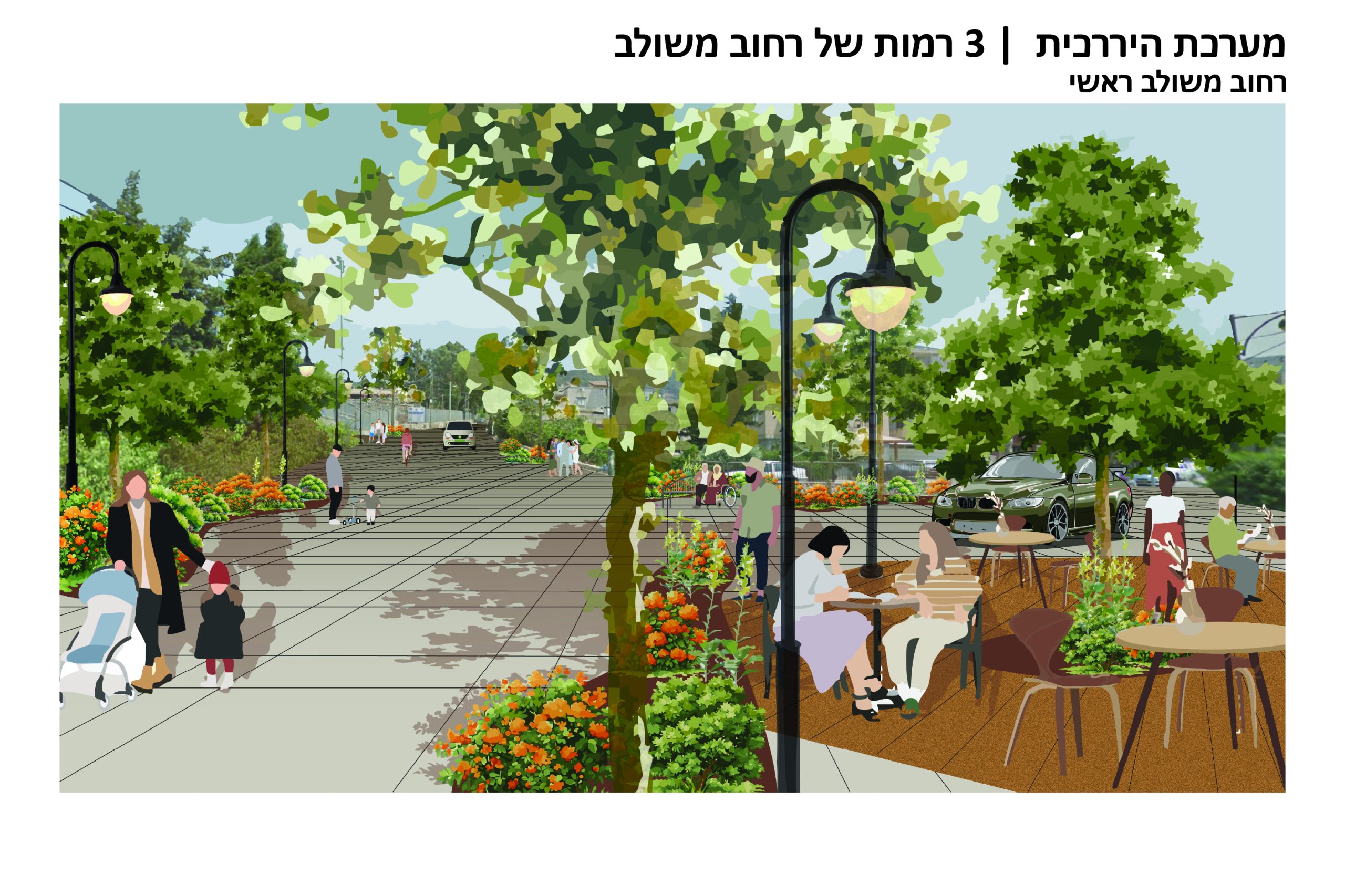
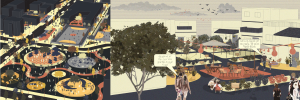
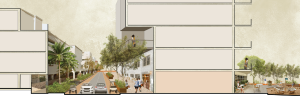
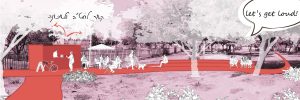
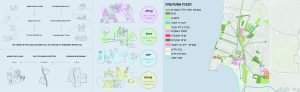
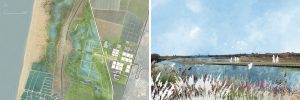
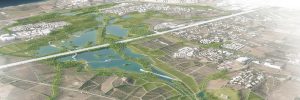
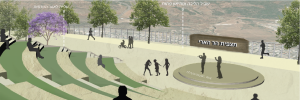
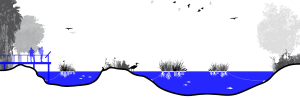
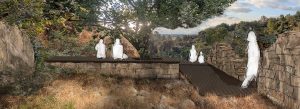
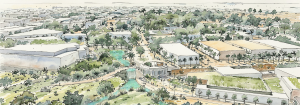
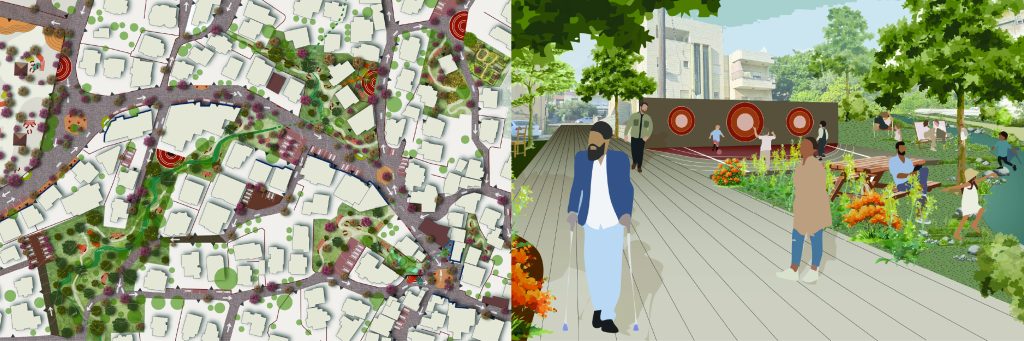
The central axis of the intervention will rely on developing physical connectivity between the villages, restoring cultural symbols, and establishing multifunctional public spaces that will serve as platforms for community activity and the strengthening of local social capital. These spaces will encourage interpersonal ties, reinforce spatial identity, and provide a foundation for equitable regional growth.
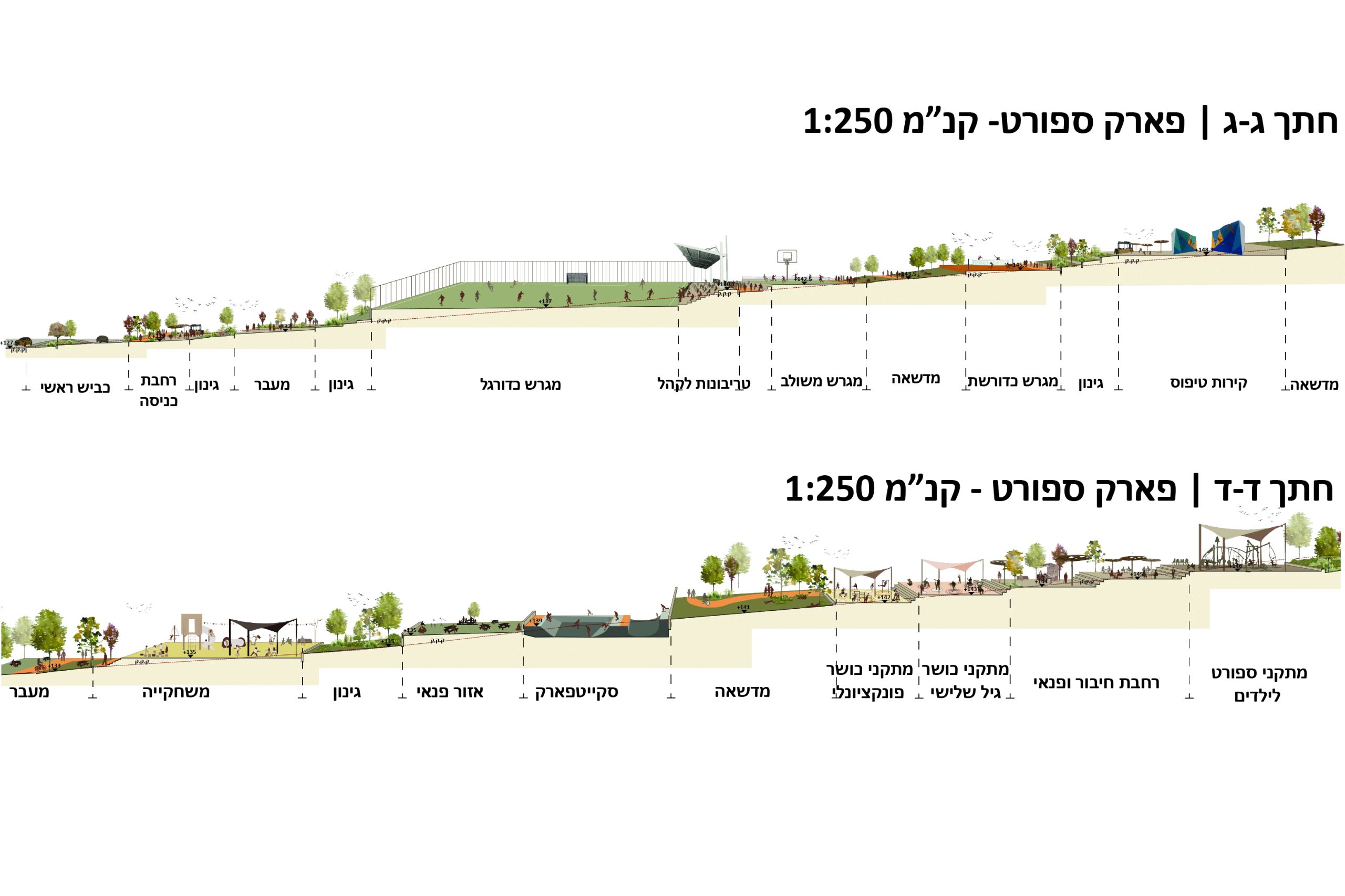
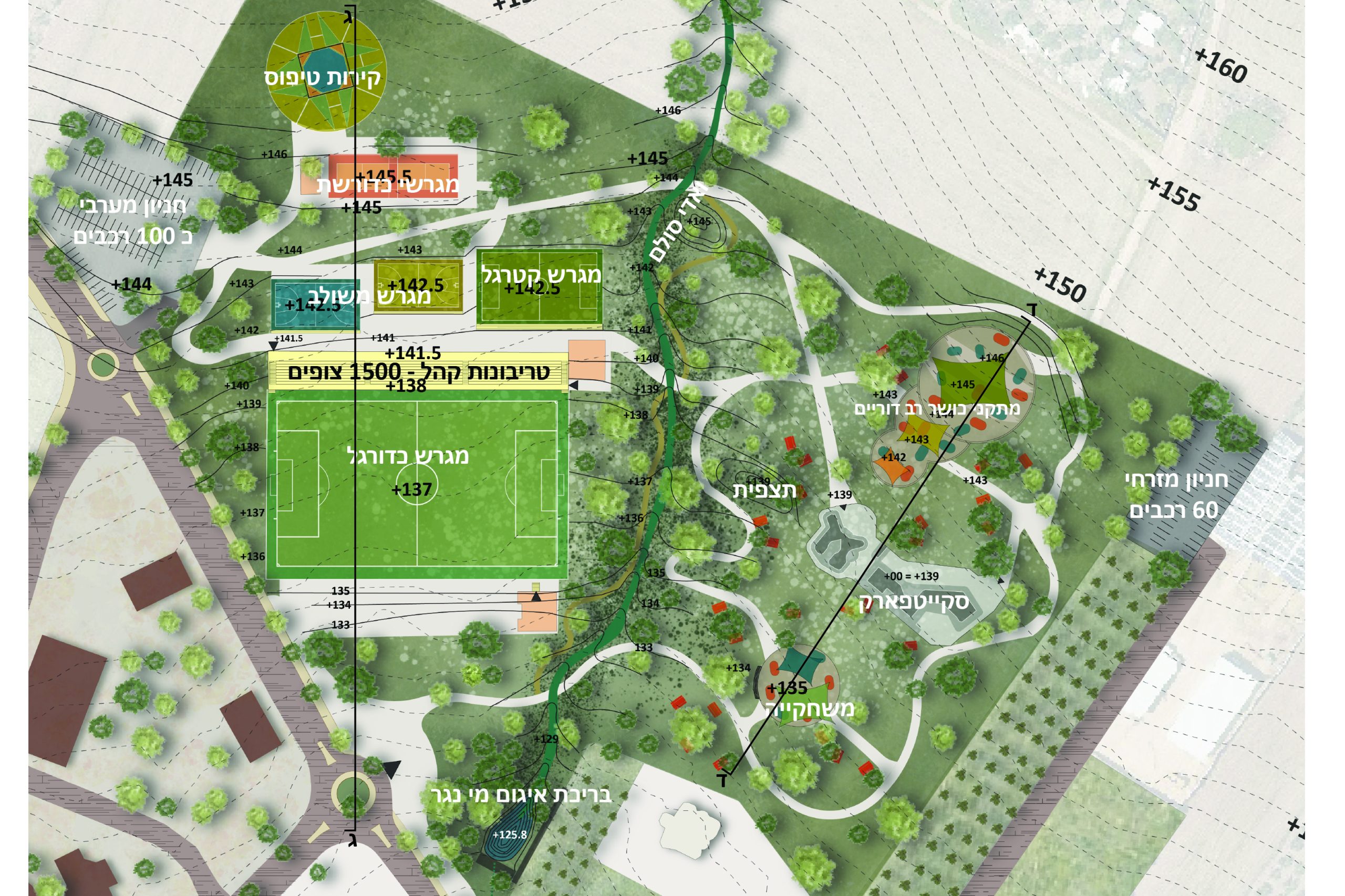
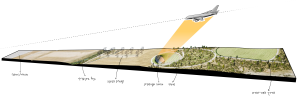
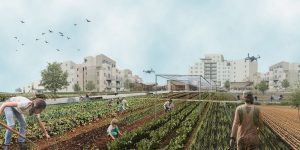
The focal point of the intervention will be in the village of Sulam, emphasizing everyday sports as a spatial tool for strengthening the sense of belonging, pride, and personal development. The planning will be based on an accessible movement network connecting educational centers, community spaces, and traditional agriculture.