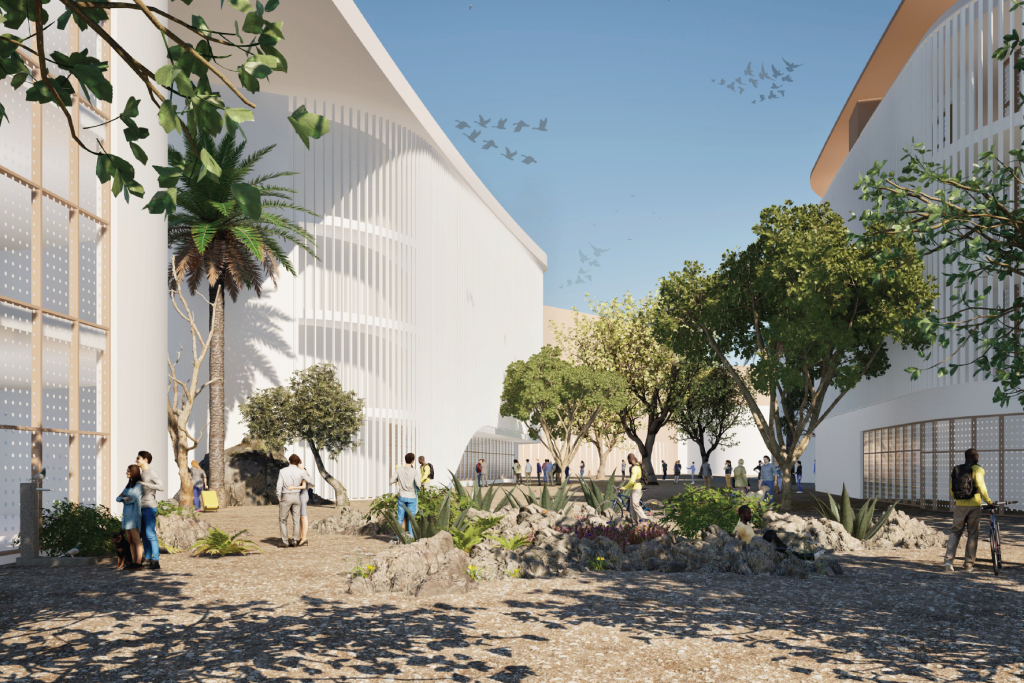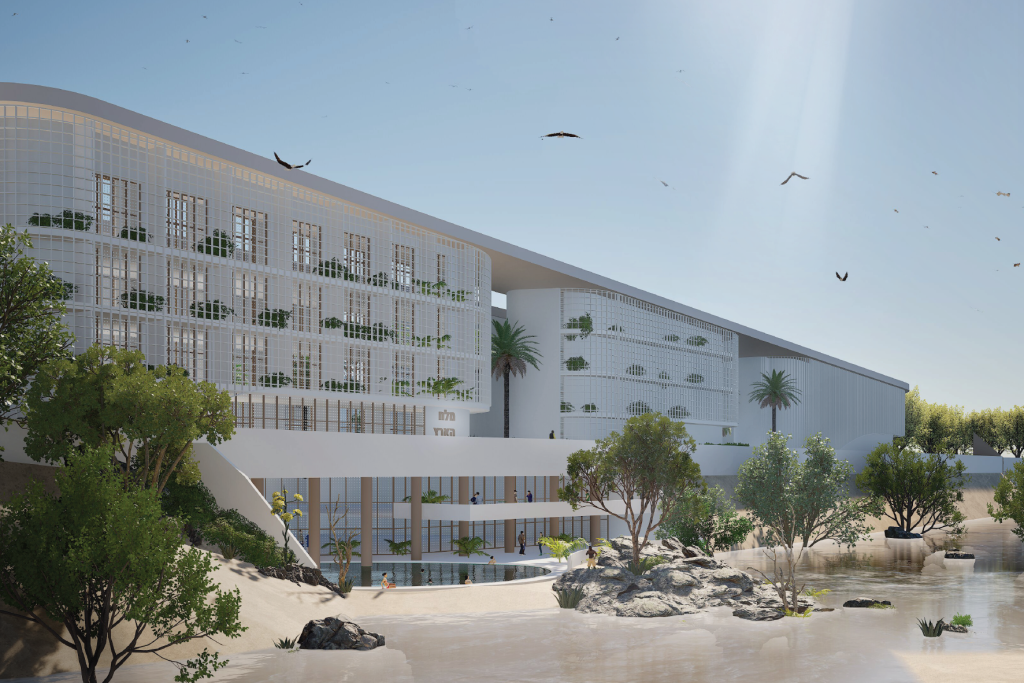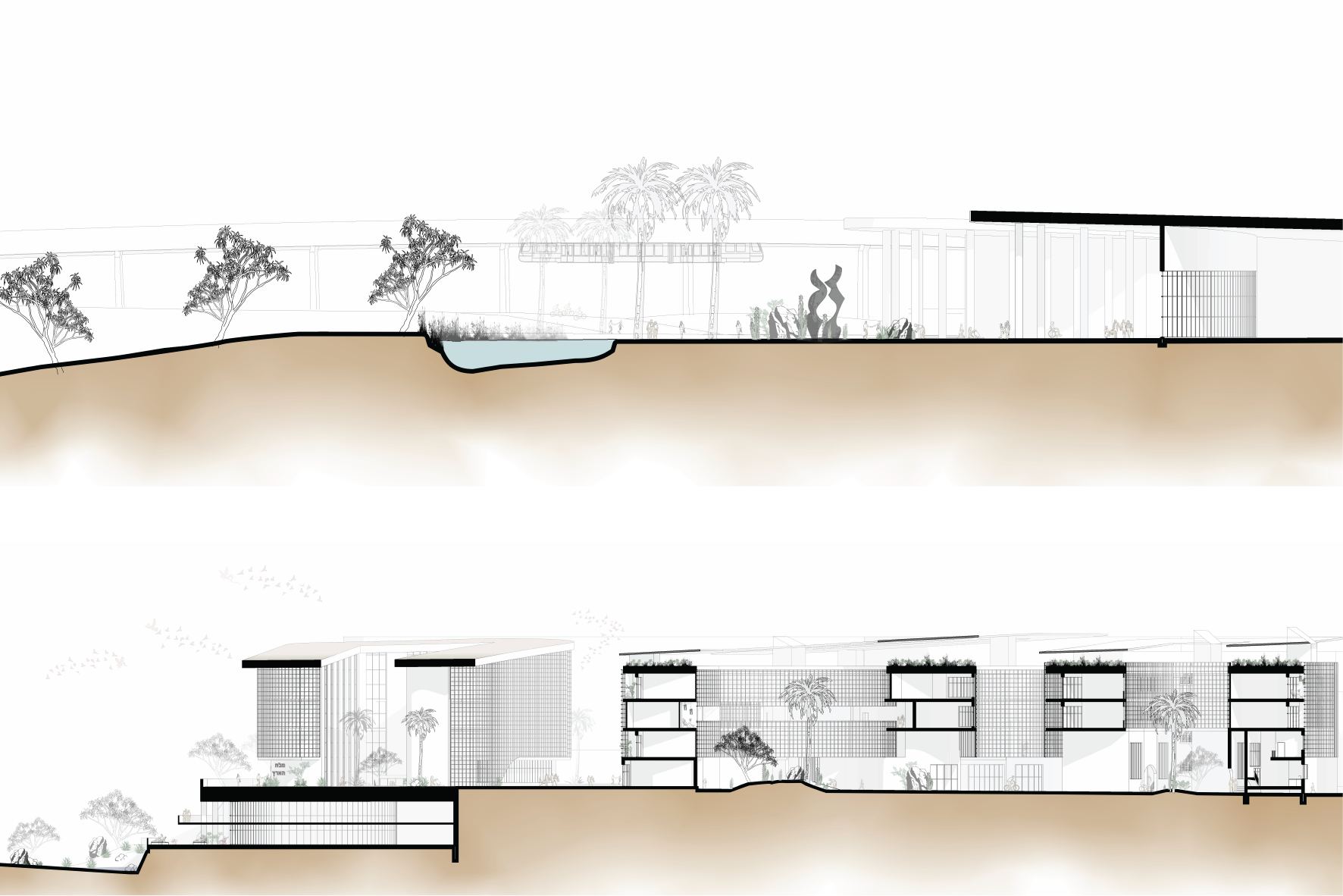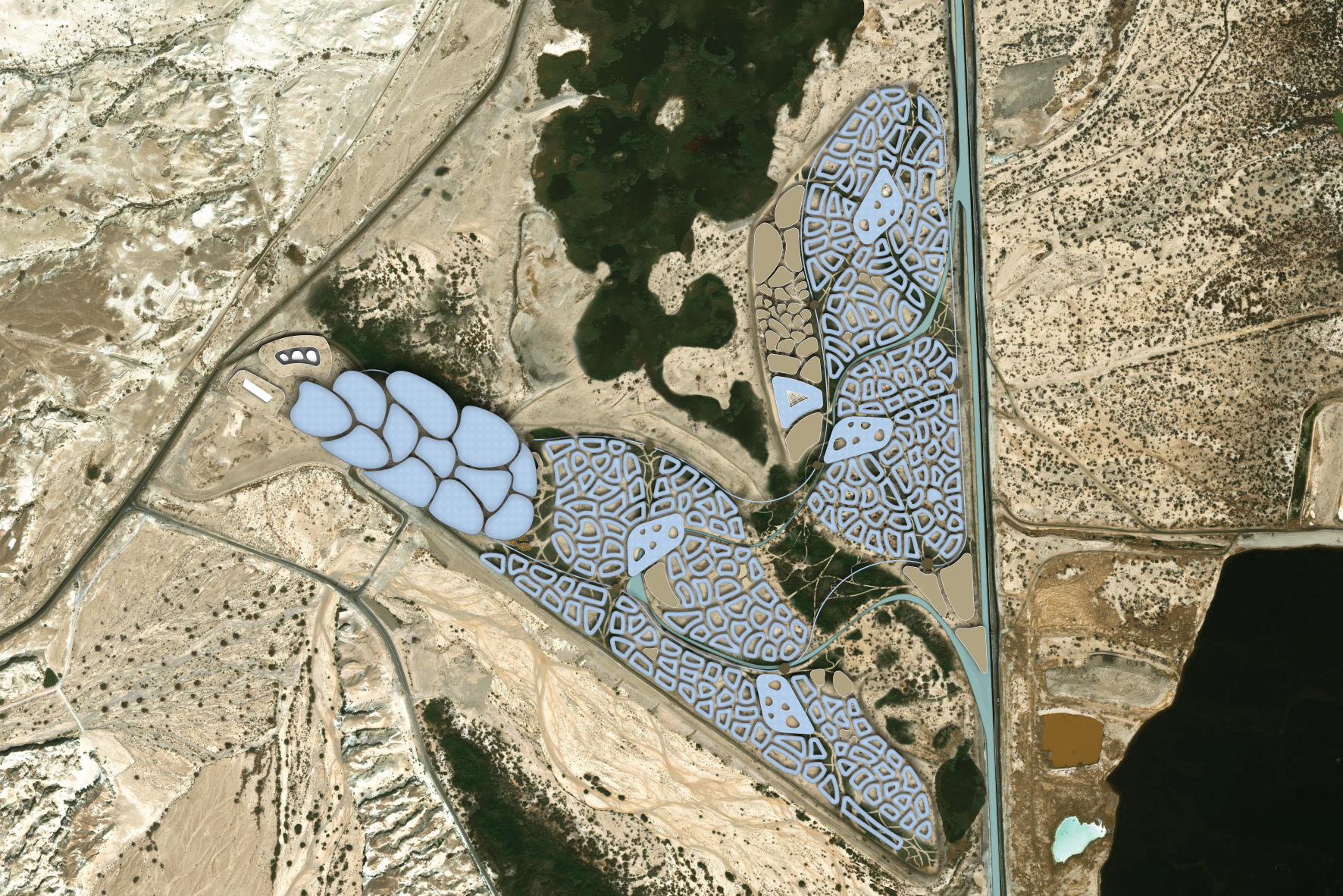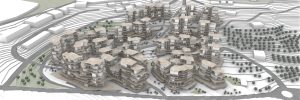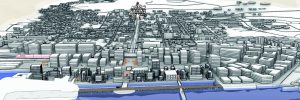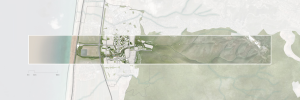


The “Salt of the Earth” project presents a groundbreaking urban planning model designed to address the challenges of desertification and life in extreme environments. Moving beyond the conventional “green building” approach and its focus on “damage mitigation,” the project introduces a novel philosophy of “beneficial planning.” This approach actively seeks to improve both the environment and human well-being by creating positive ecological, social, and economic value. Symbolically located in Sodom—a place historically associated with selfishness, the antithesis of “doing good”—the project serves as a futuristic archetype for a city whose very purpose is to be a force for good.
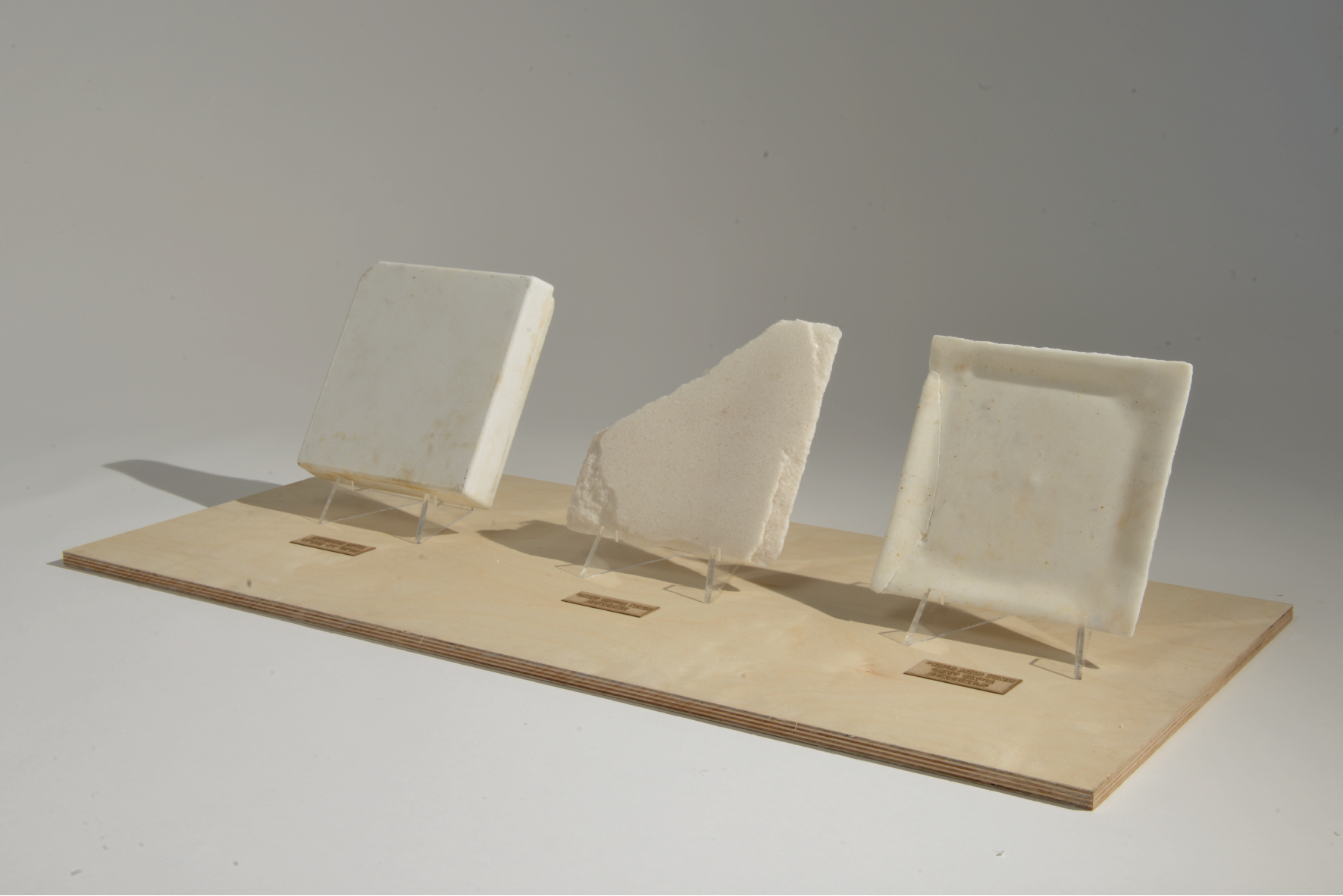
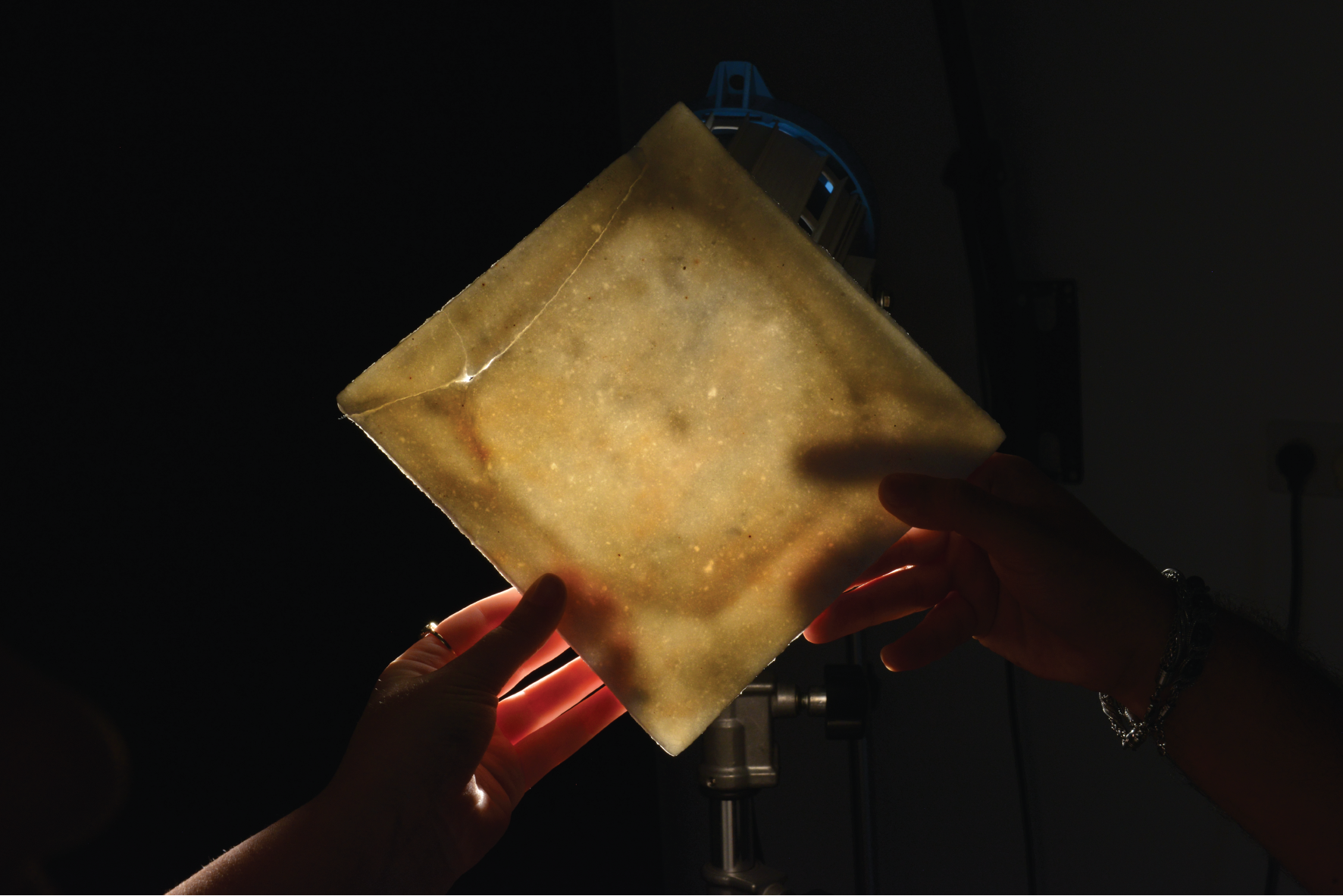
This planning intervention is built upon three core pillars: innovative construction, passive climatic design, and advanced urban policy. At the heart of the architectural solution is the use of salt as a primary building material. Salt, a byproduct of the Dead Sea industry, is re-envisioned as a local, accessible, and sustainable resource that enables a circular economy. Experiments and simulations have demonstrated that salt blocks produced via a zero-carbon compression process offer superior thermal insulation and high mechanical strength.
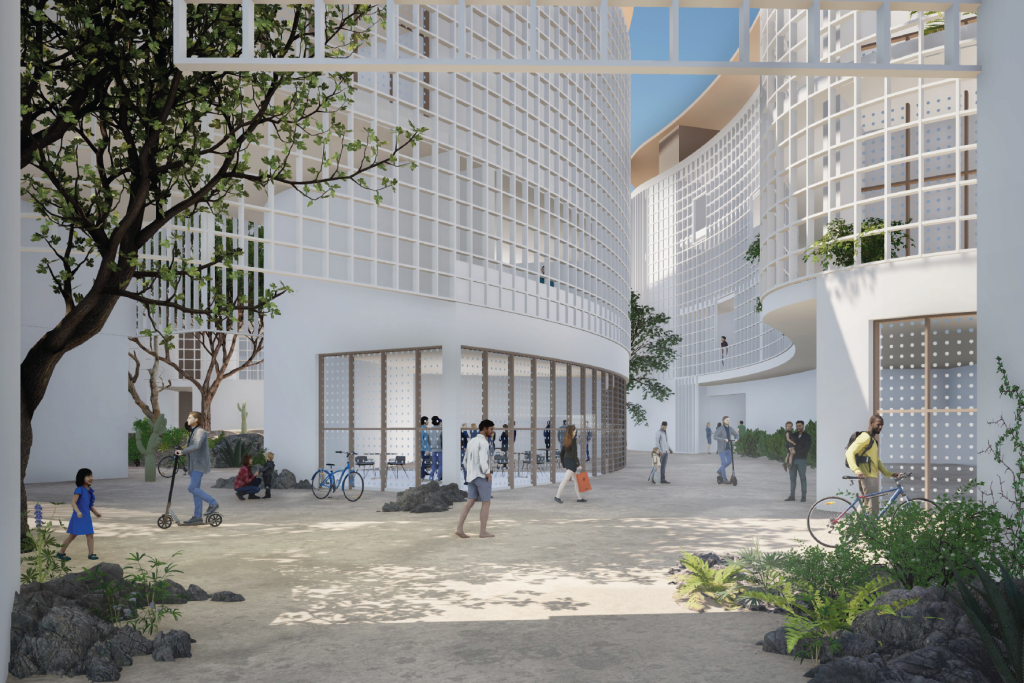
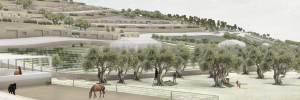
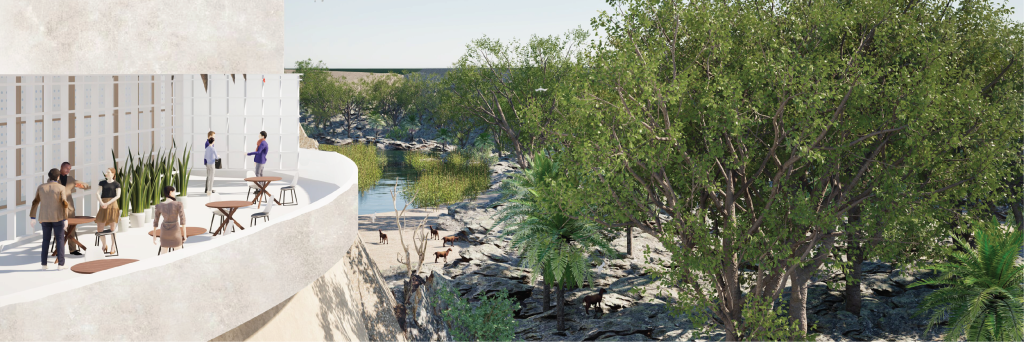
The architectural design leverages the unique properties of salt, in combination with passive techniques, to create a comfortable microclimate. Computer simulations based on the UTCI (Universal Thermal Climate Index) have shown that the building’s form and the use of salt façades (mashrabiya) can dramatically reduce heat load, lowering the perceived temperature by as much as 16°C on exceptionally hot days. Furthermore, elements such as wind chimneys, smart water management based on floodwater harvesting, and desert-resilient vegetation work together to create a cool, humid urban environment.
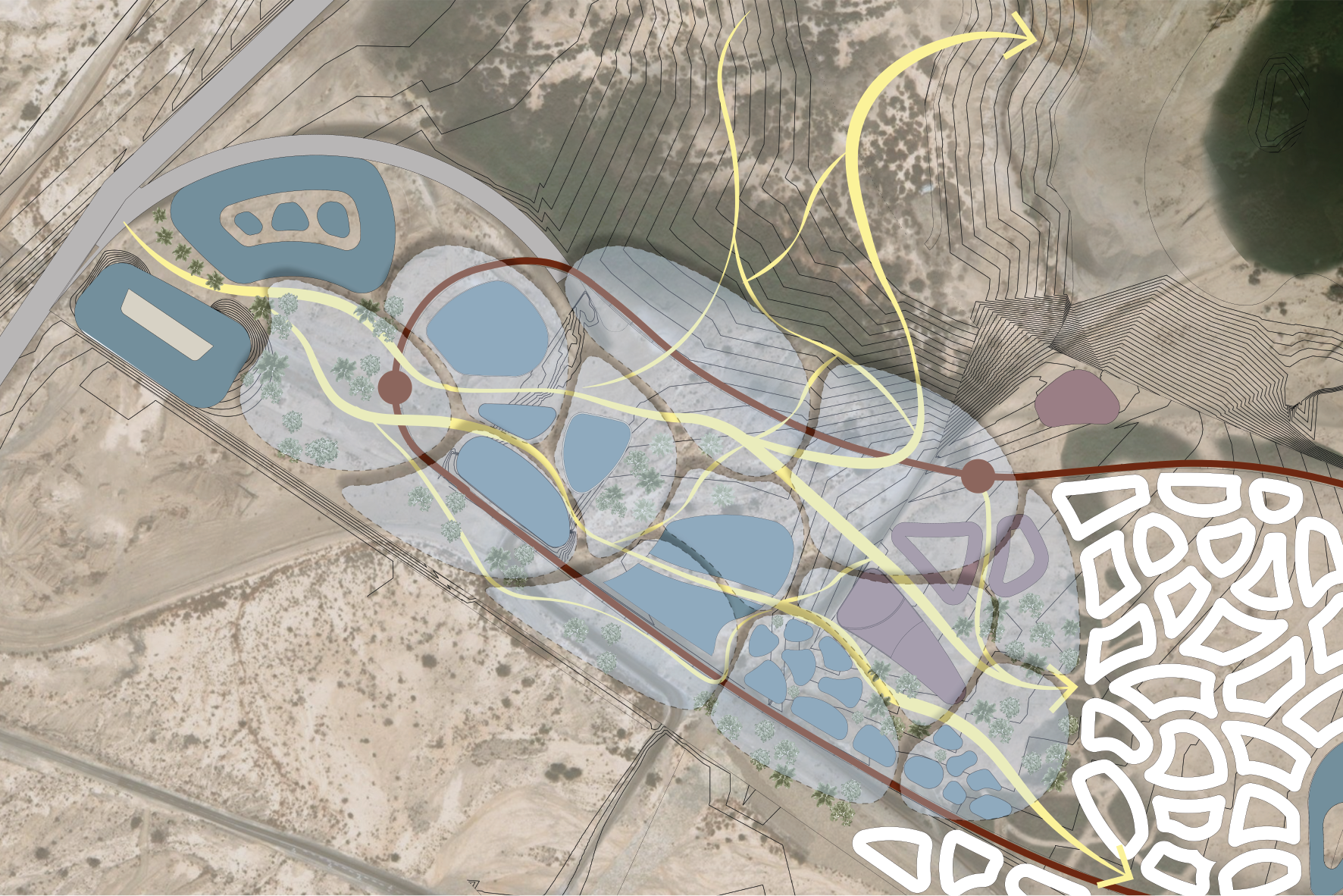
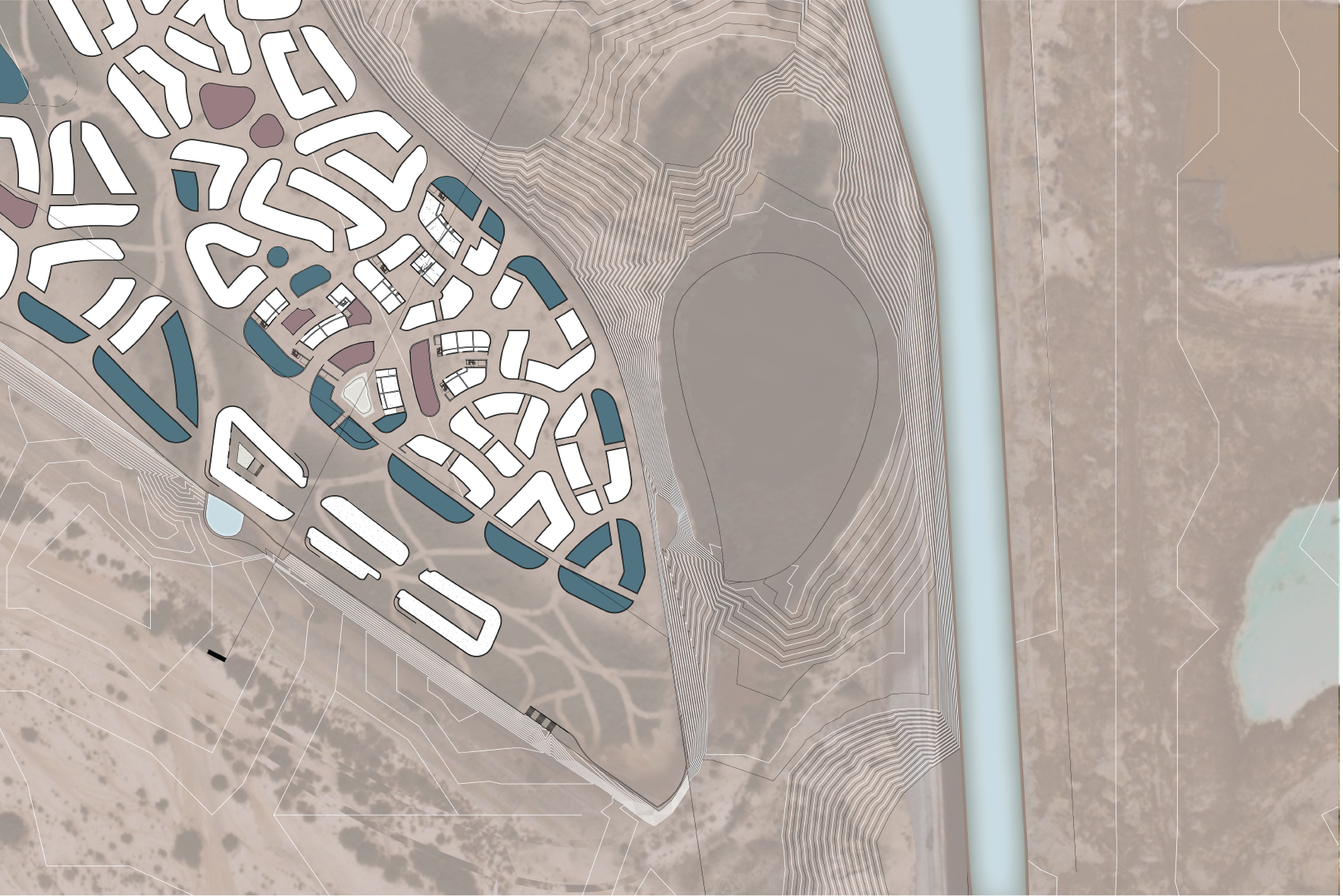
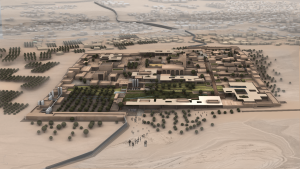
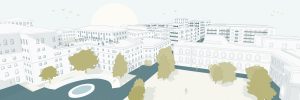
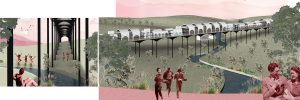
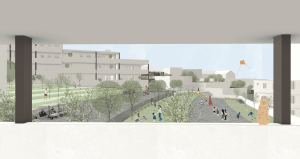
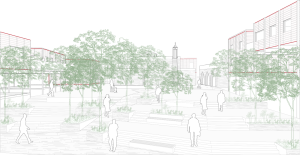
At the social and operational levels, the city functions as an “urban laboratory” that promotes a different way of life. Policies that prohibit private vehicles and asphalt in favor of walkability and permeable surfaces, along with courtyard-based buildings that foster community, strengthen social ties. An ecological corridor runs through the city’s center, connecting natural habitats and ensuring residents are constantly exposed to nature. An entrance park serves as a physical and spiritual rite of passage, preparing both residents and visitors for a transformative, sustainable, and community-oriented lifestyle. “Salt of the Earth” proves that it is possible not only to survive in an extreme environment but to thrive and create a better reality.