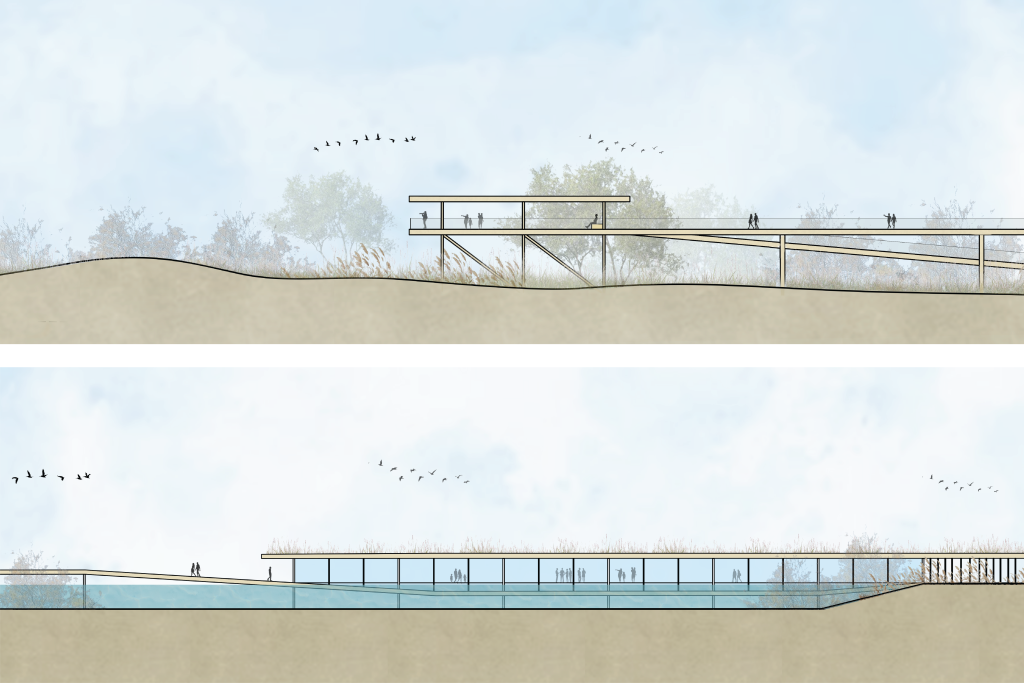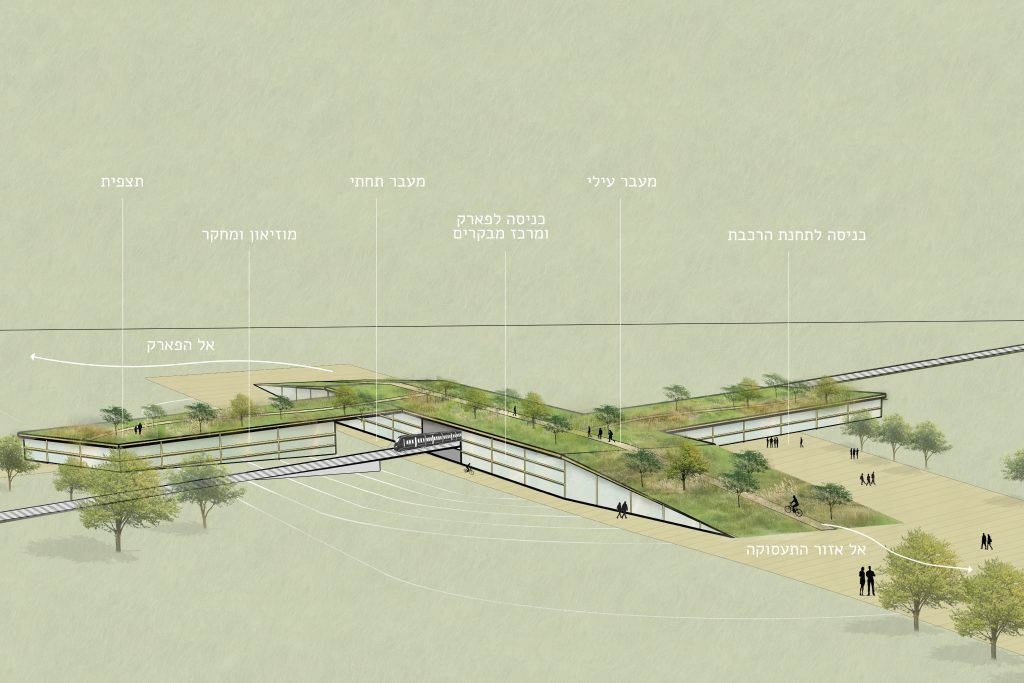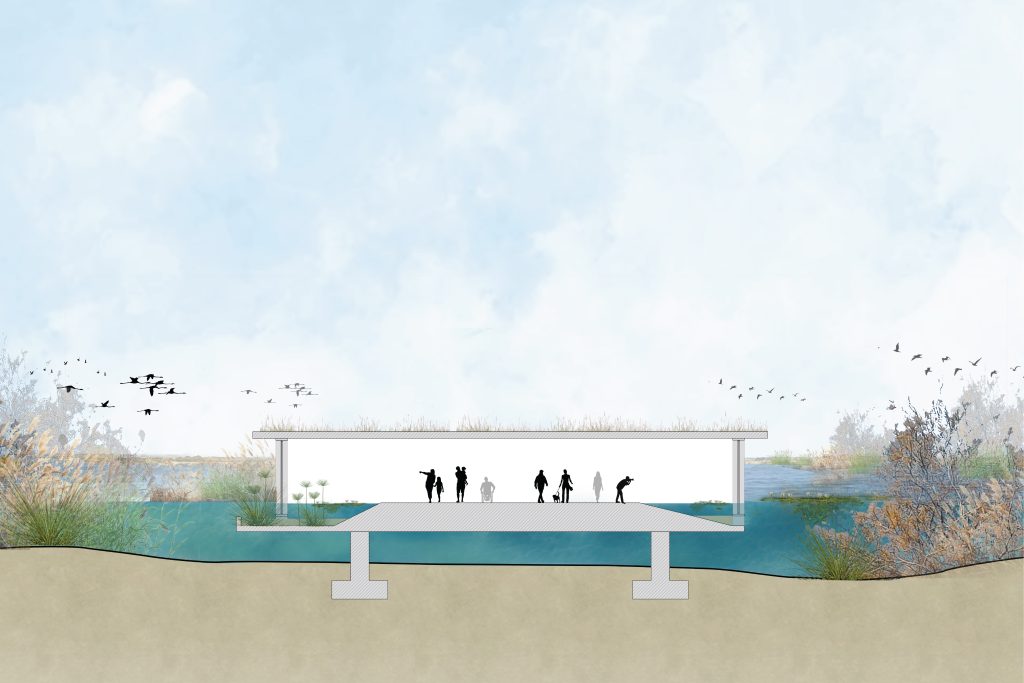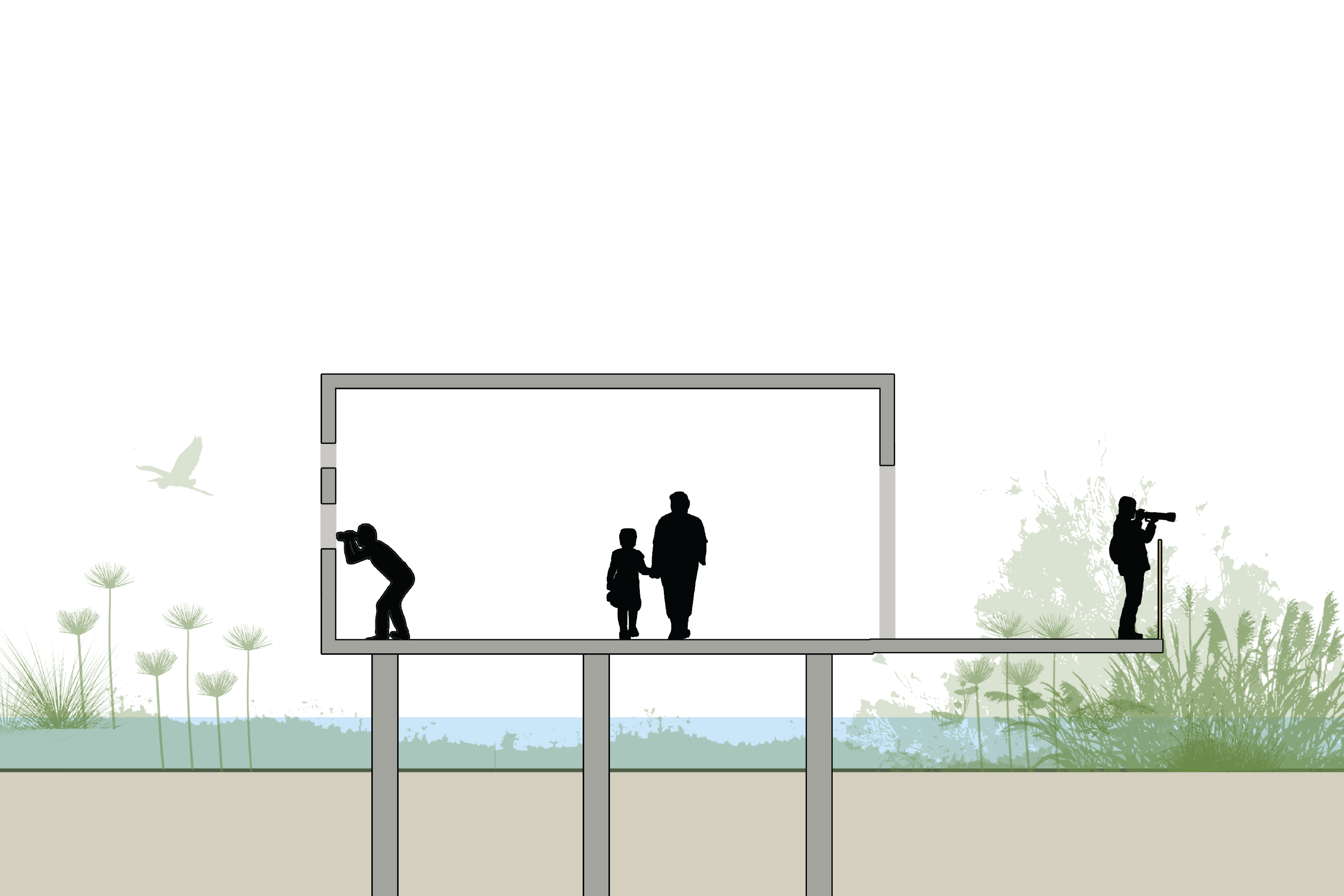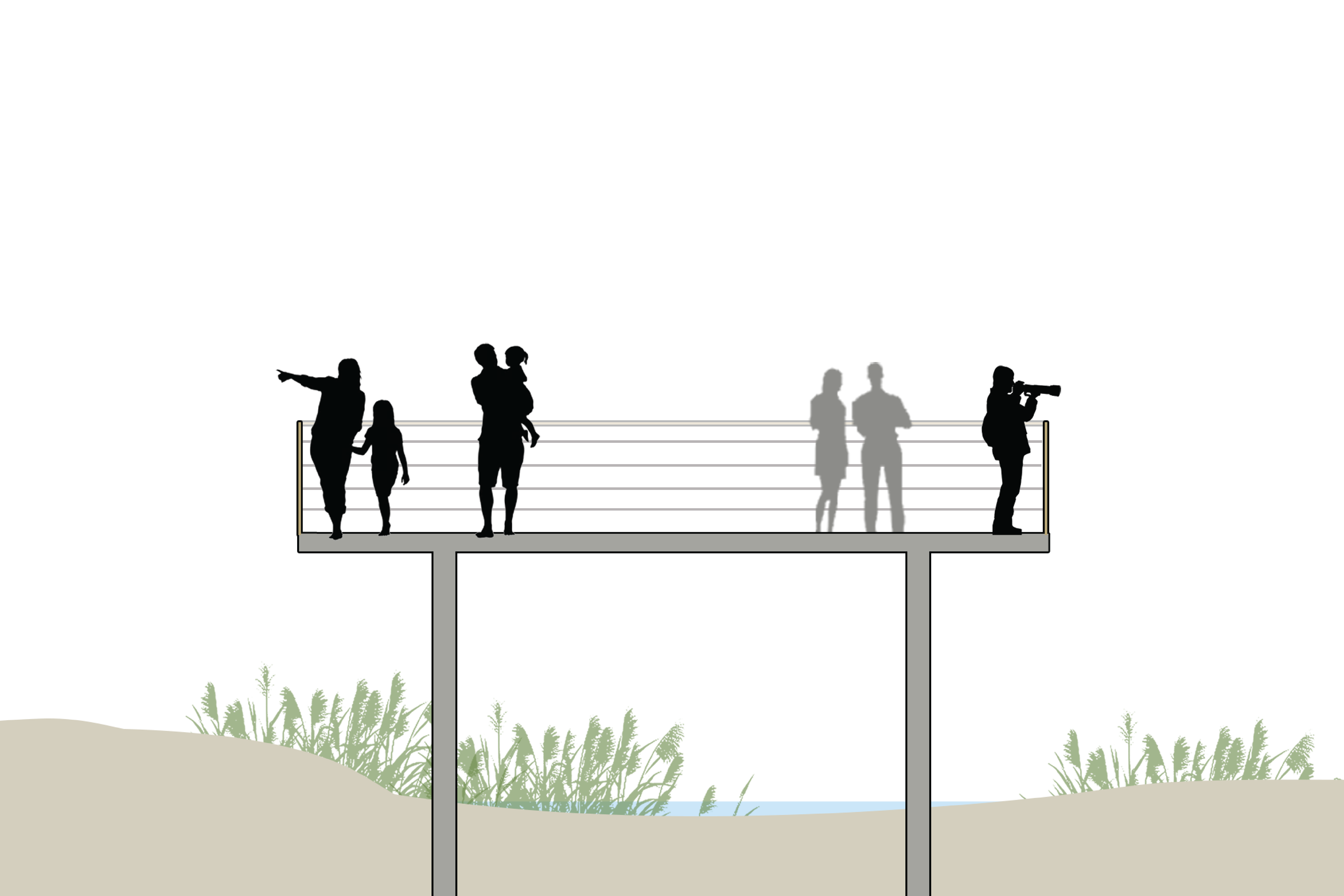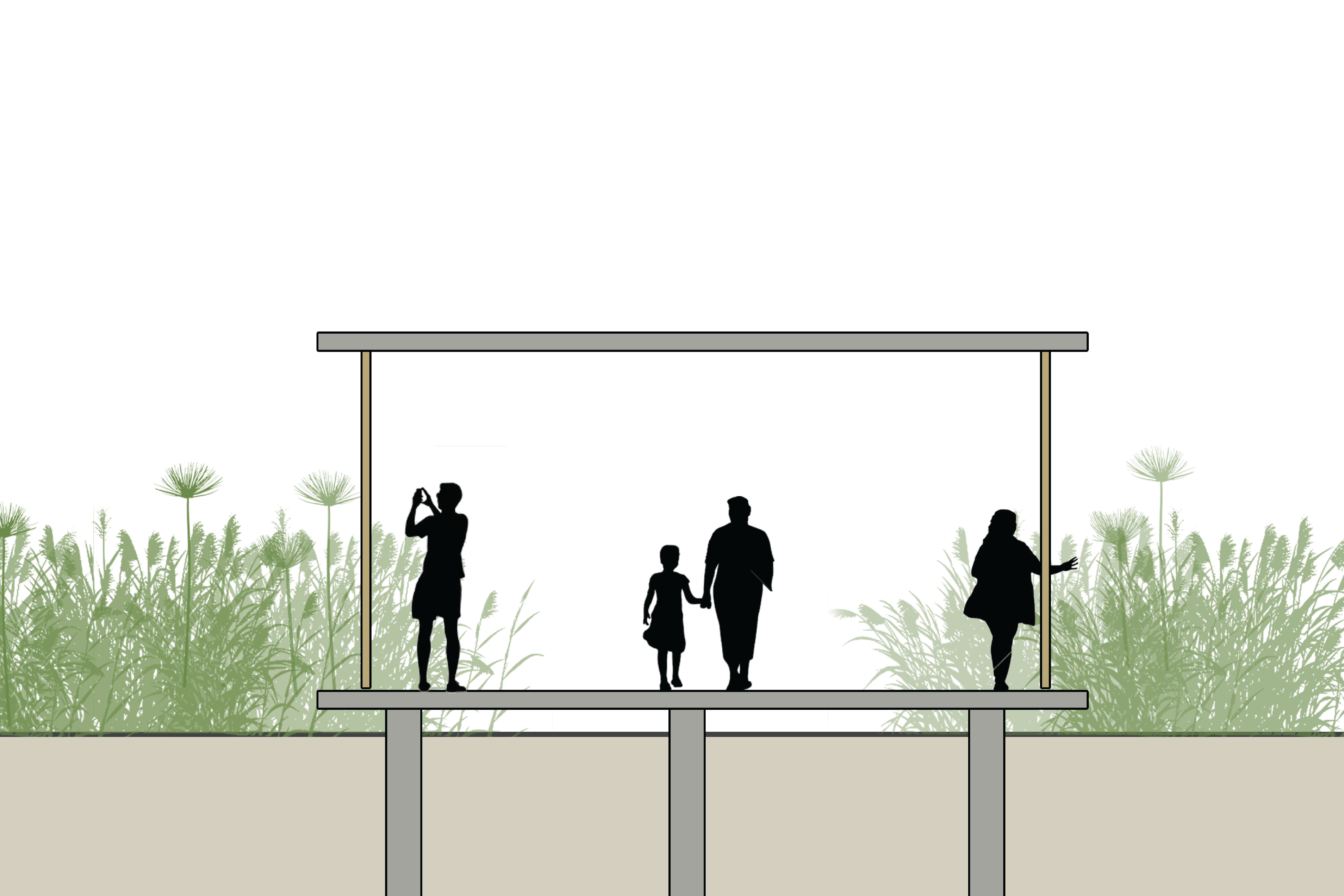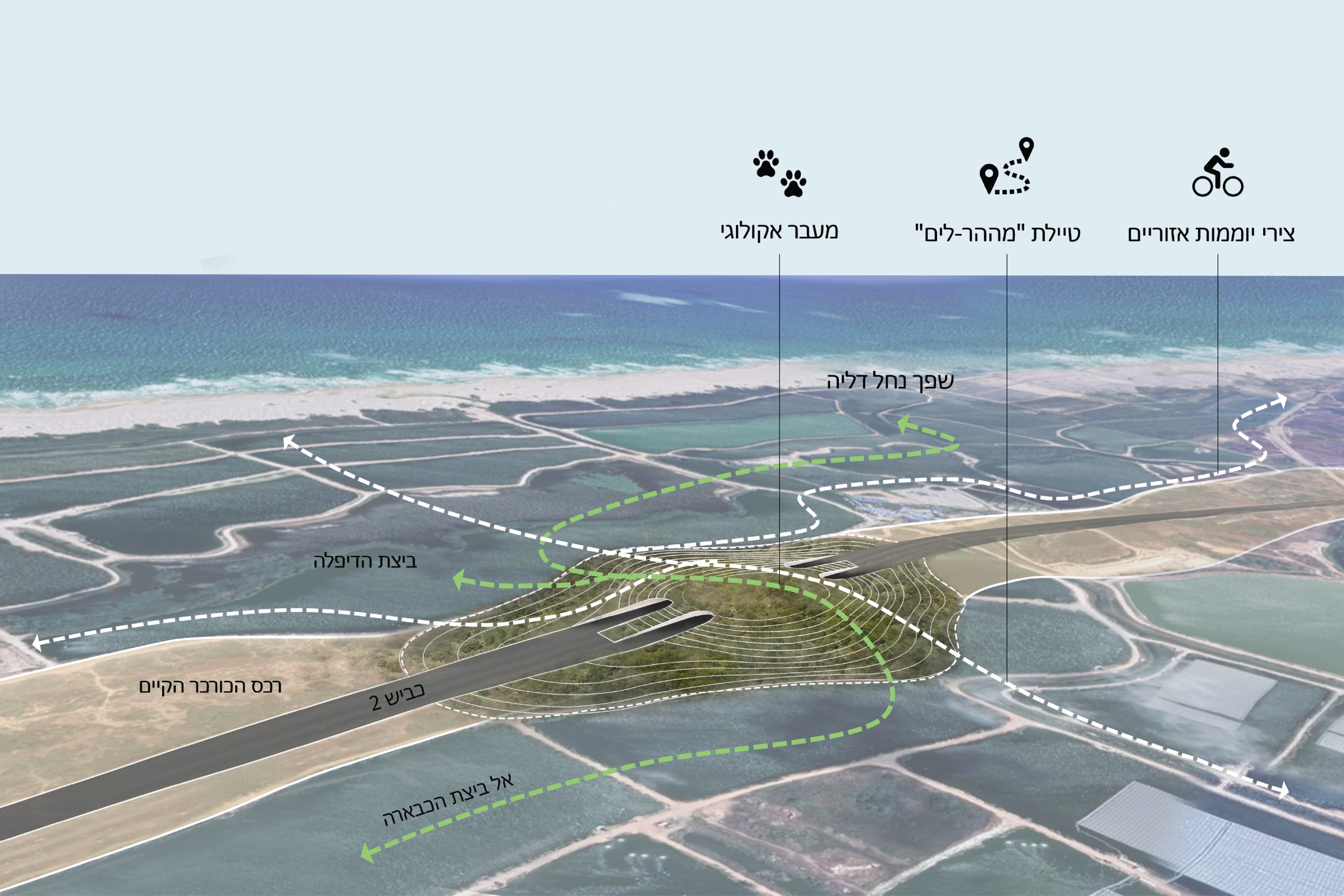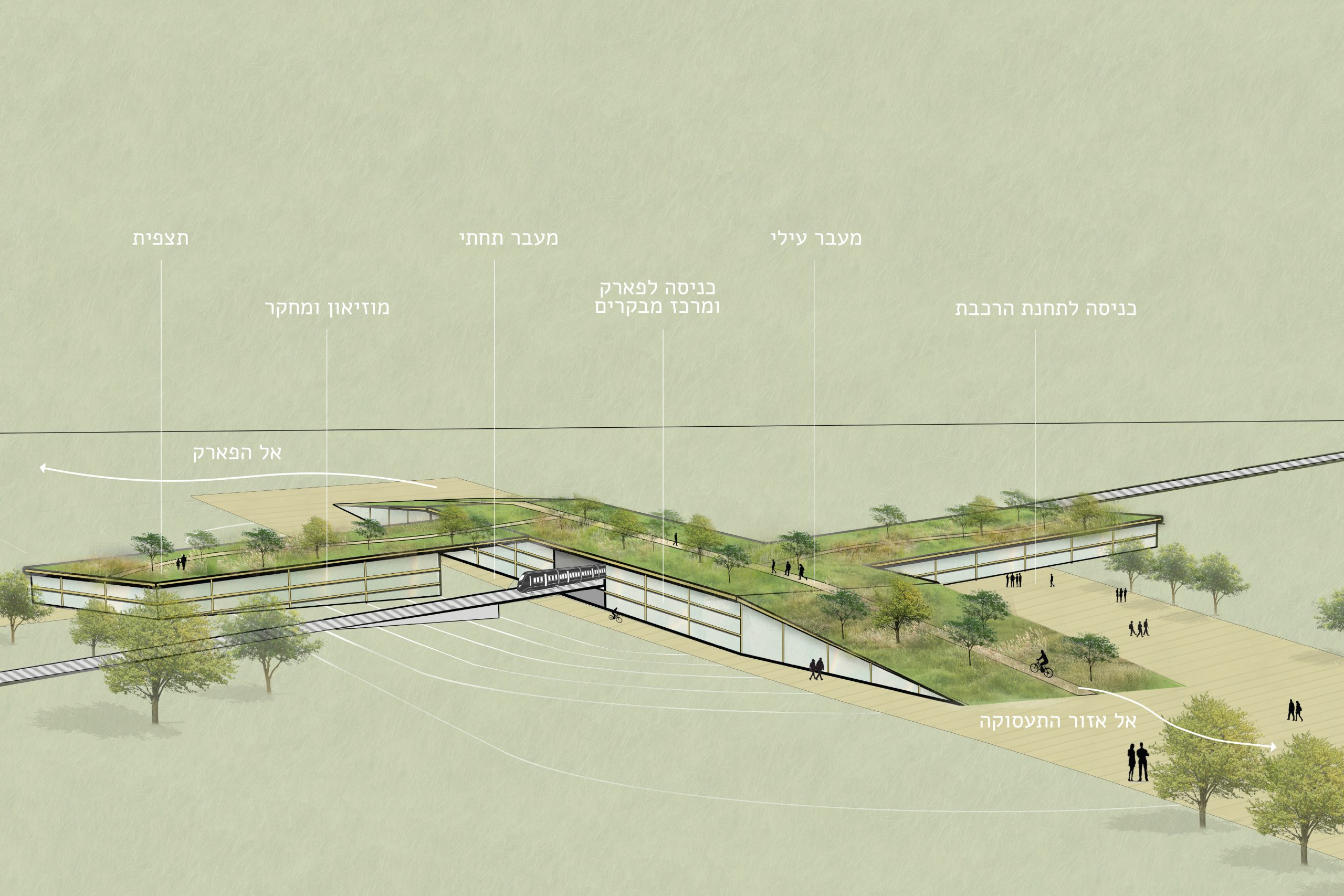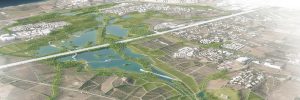


The establishment of fishponds in Israel began in the late 1930s, as part of the economic development strategy of Zionist settlement. This transformation replaced the natural wetland landscapes—once characterized by swamps and marshes—with engineered drainage systems and artificial water channels. While this shift marked a significant technological achievement, it simultaneously led to the destruction of extensive aquatic habitats, resulting in long-term ecological consequences that continue to affect Israel’s biodiversity.
Fishponds, though artificial, have come to serve a critical role in maintaining ecological diversity, functioning as surrogate habitats for various species. However, for decades, the aquaculture sector prioritized economic gain over environmental stewardship, often contributing to pollution and degradation of surrounding ecosystems.
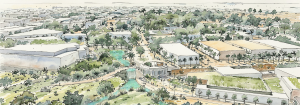
In recent years, declining profitability in the aquaculture industry has prompted a re-evaluation of these landscapes. This reassessment involves competing interests—agricultural production, ecological restoration, and urban development—posing a threat to the continued existence of fishponds. Given the vulnerability of Israel’s aquatic habitats and the potential synergy between nature conservation and sustainable aquaculture, this project seeks to establish a renewed balance between ecological integrity and economic viability.
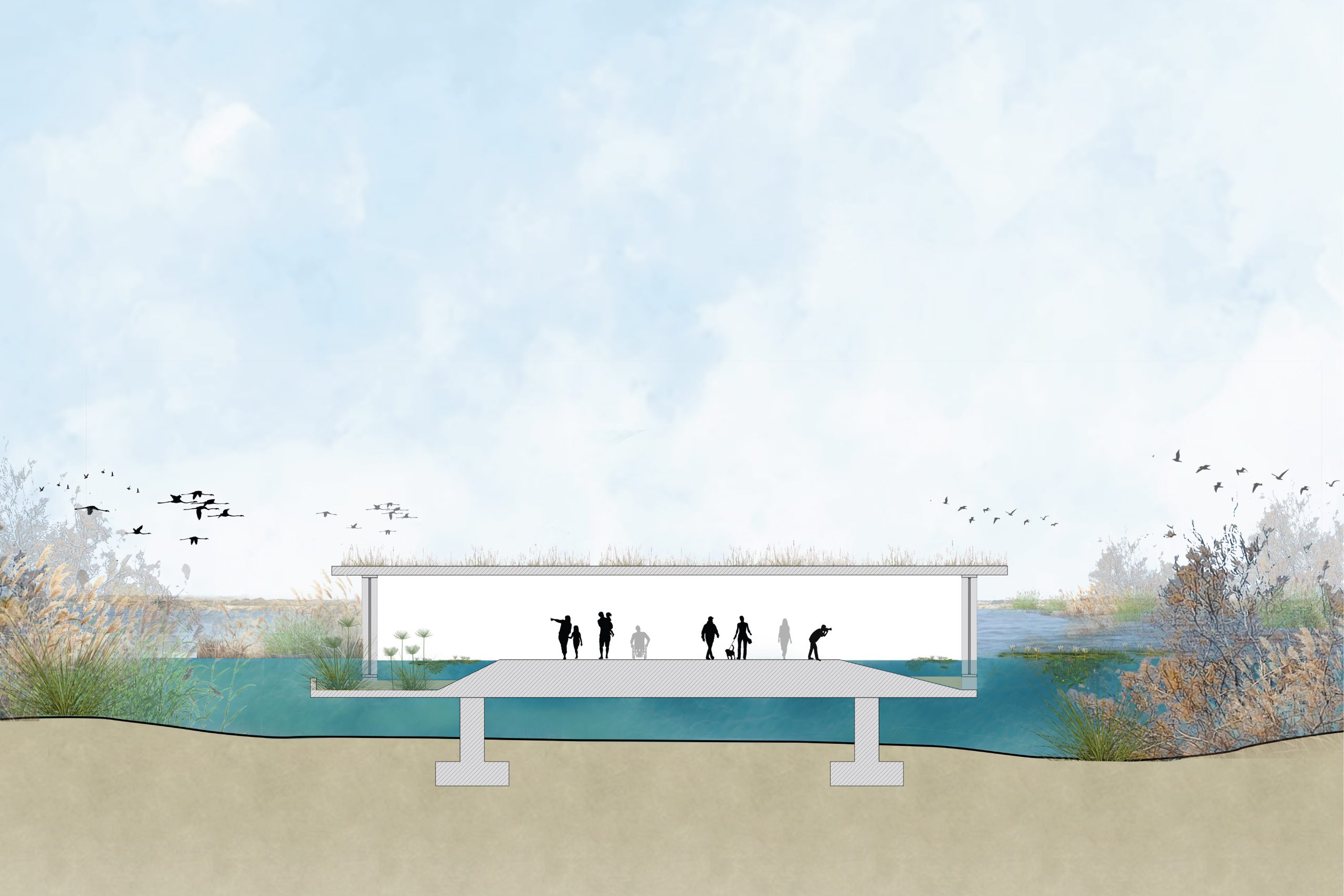
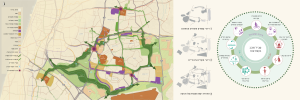
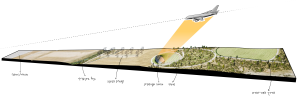
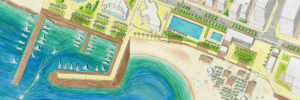
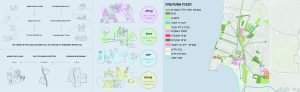
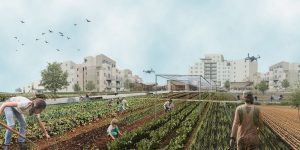
Drawing on the FAO’s “Ecosystem Approach to Aquaculture,” the initiative proposes an integrated model that combines sustainable fish farming, habitat rehabilitation, and nature-based tourism. These components are designed to be mutually reinforcing, leveraging Israel’s strategic position as a global bird migration corridor.
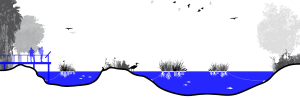
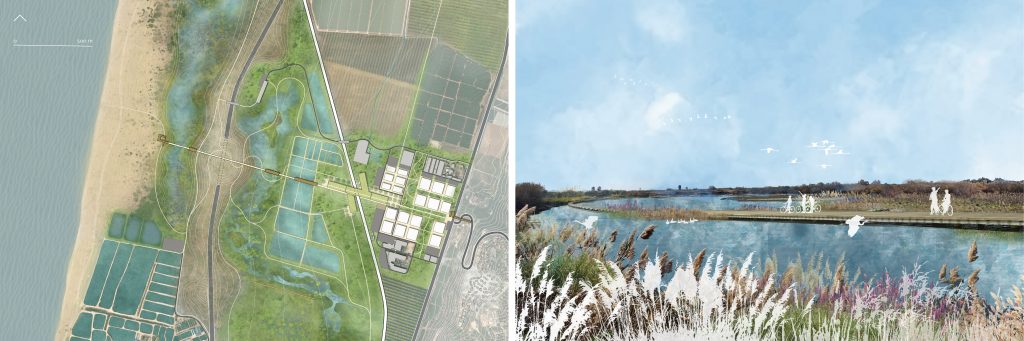
The partial conversion of fishpond areas into seasonal floodplains, wetlands, moist meadows, and salt marshes offers a pathway to restoring habitats that have suffered for decades from pollution and hydrological manipulation. Concurrently, implementing non-polluting, seasonally adaptive aquaculture practices can enhance avian migratory phenomena and support the development of eco-tourism hubs.
Ultimately, the project aspires to elevate both the ecological and economic value of fishponds, promote regional employment and commerce, and foster a more equitable and sustainable use of water resources.