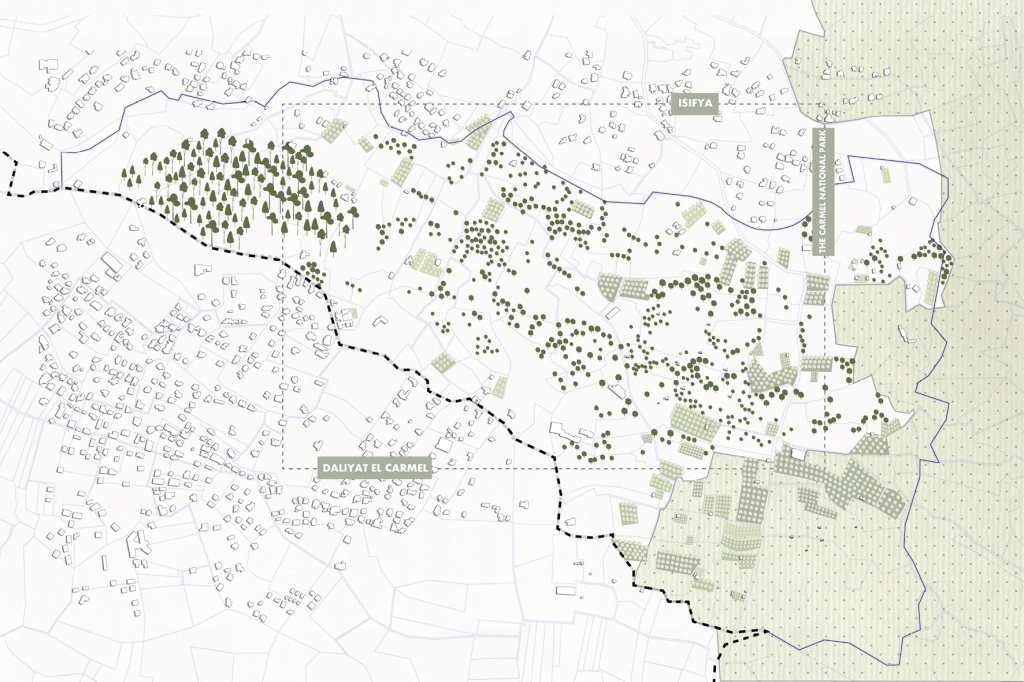


The tension between nature conservation and urban development is one of the most pressing challenges in contemporary planning, especially where demographic growth intersects with protected landscapes. The case of Isfiya and Daliyat al-Carmel in Israel’s Carmel Mountains highlights this conflict.
In 1970, the government established Mount Carmel National Park, covering 60,000 dunams, largely expropriated from these villages. While advancing national conservation goals, the park restricted local development, creating decades of spatial and social pressure. With growth constrained, unregulated construction spread, infrastructure lagged, and agricultural lands—integral to the villages’ identity—were steadily eroded. The villages thus embody the broader tension between protecting open spaces and accommodating urban growth.
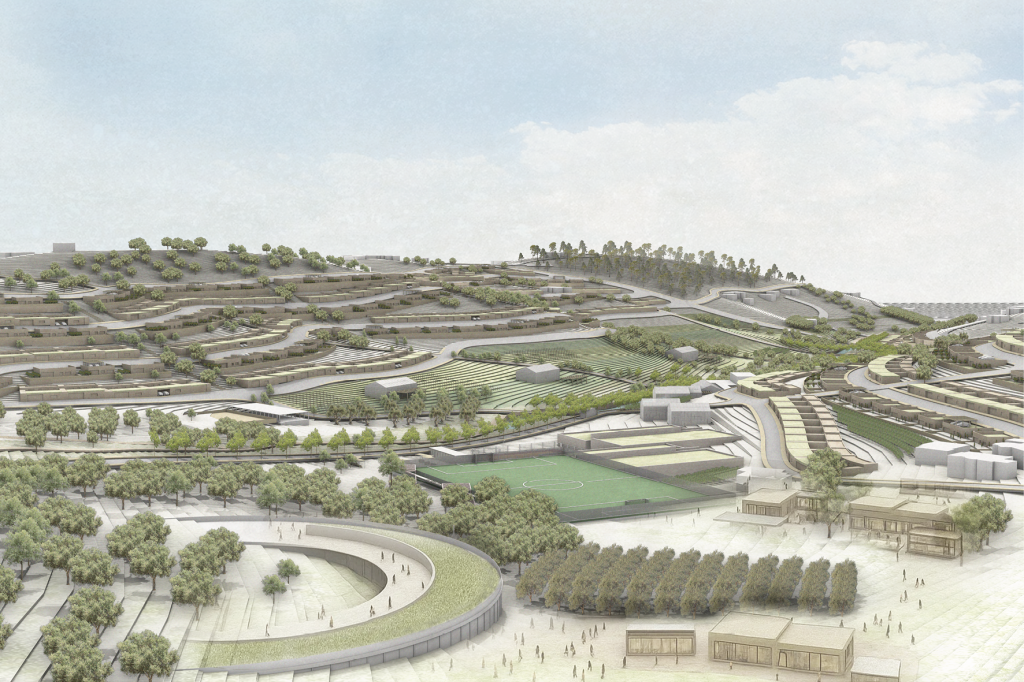
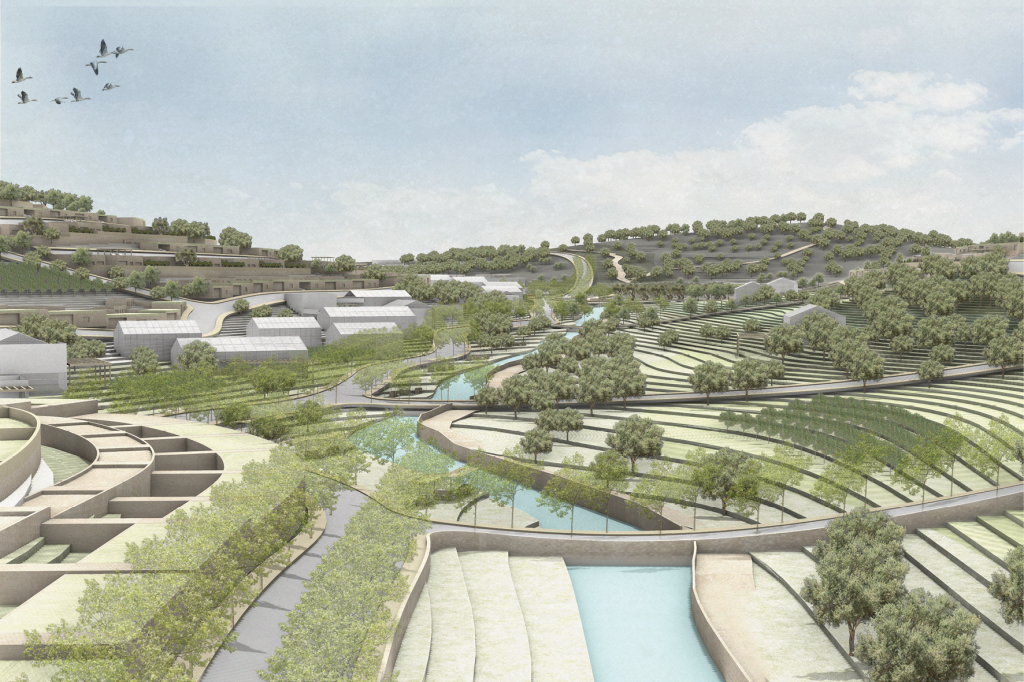
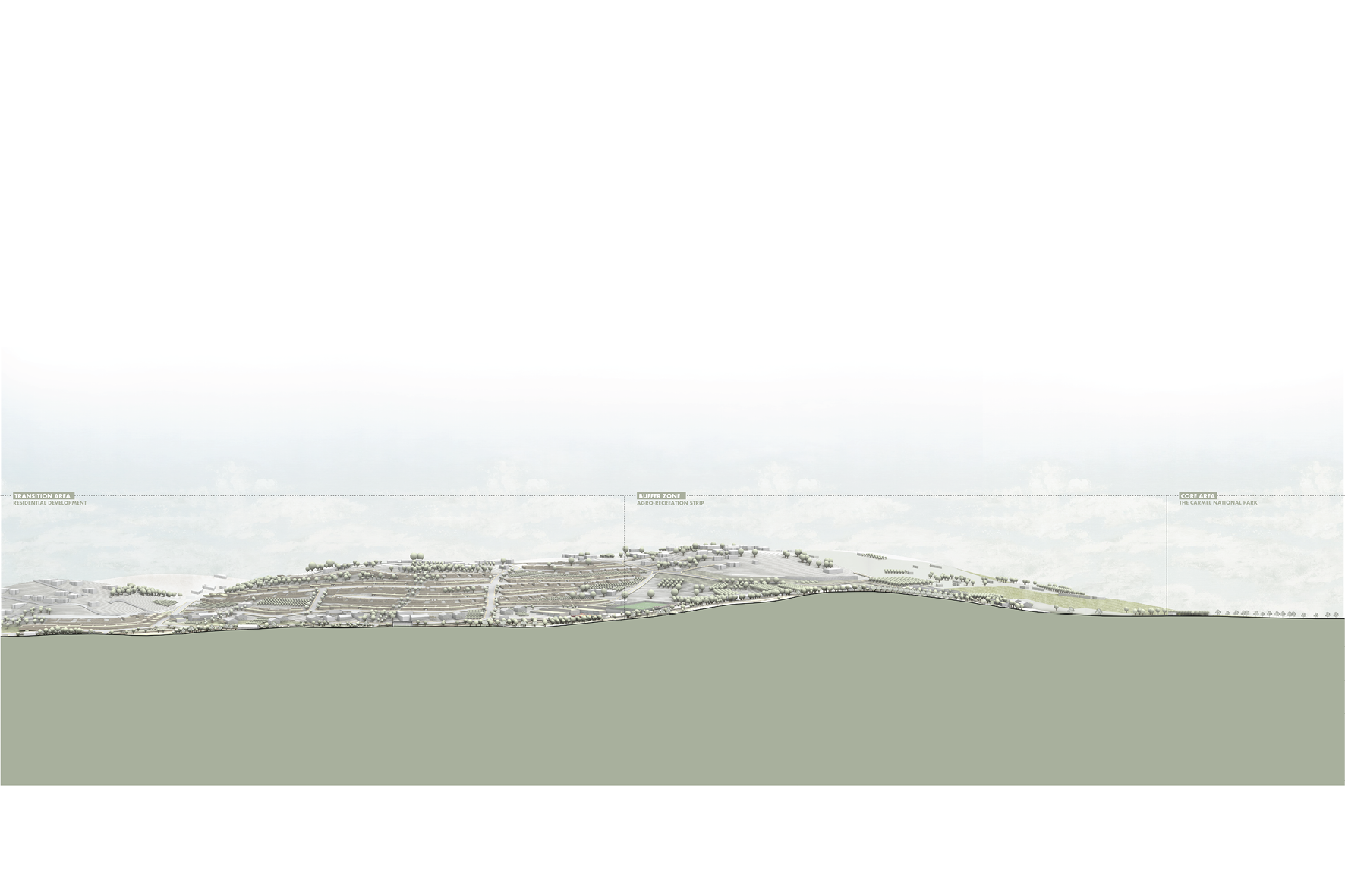
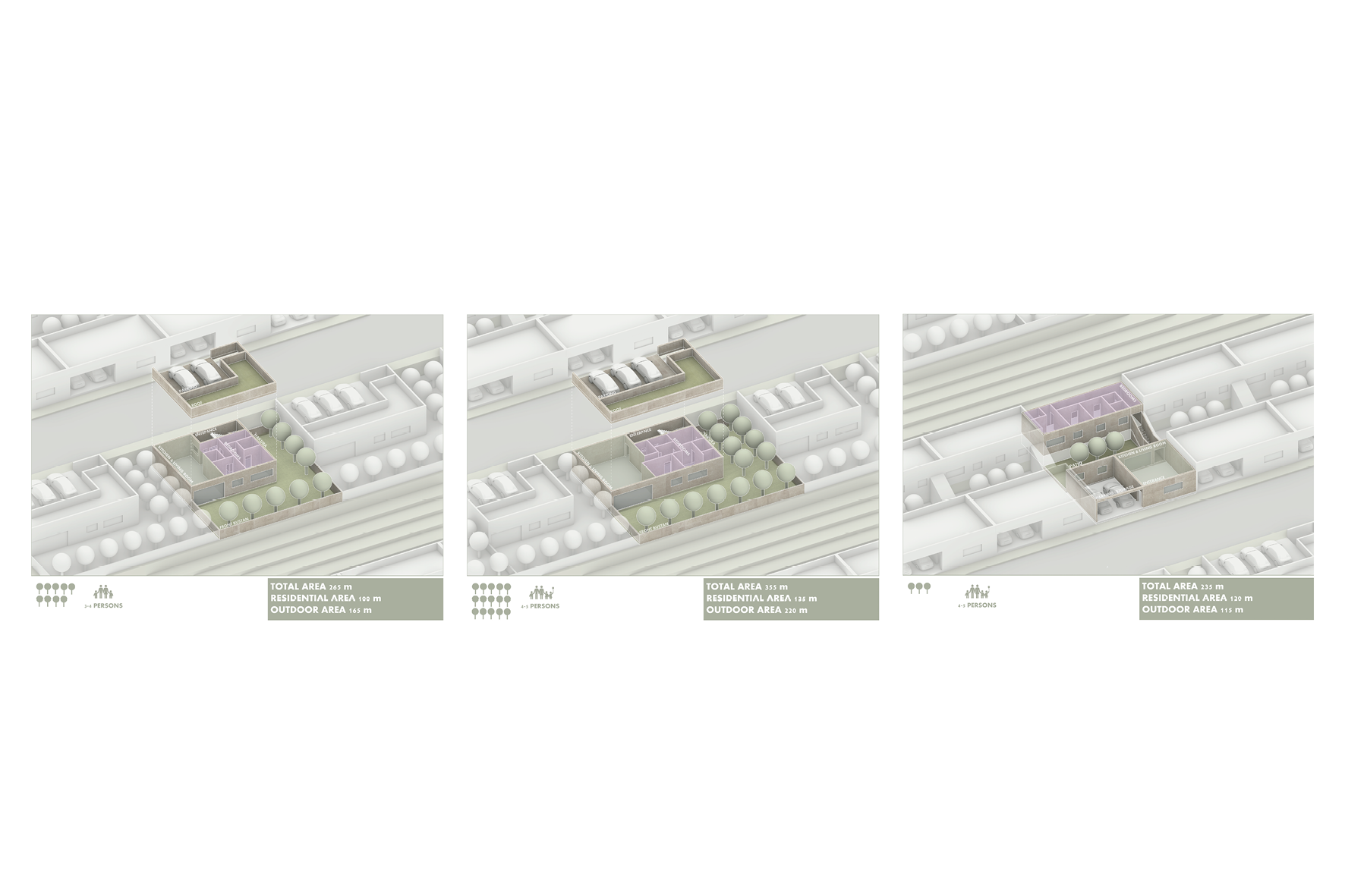
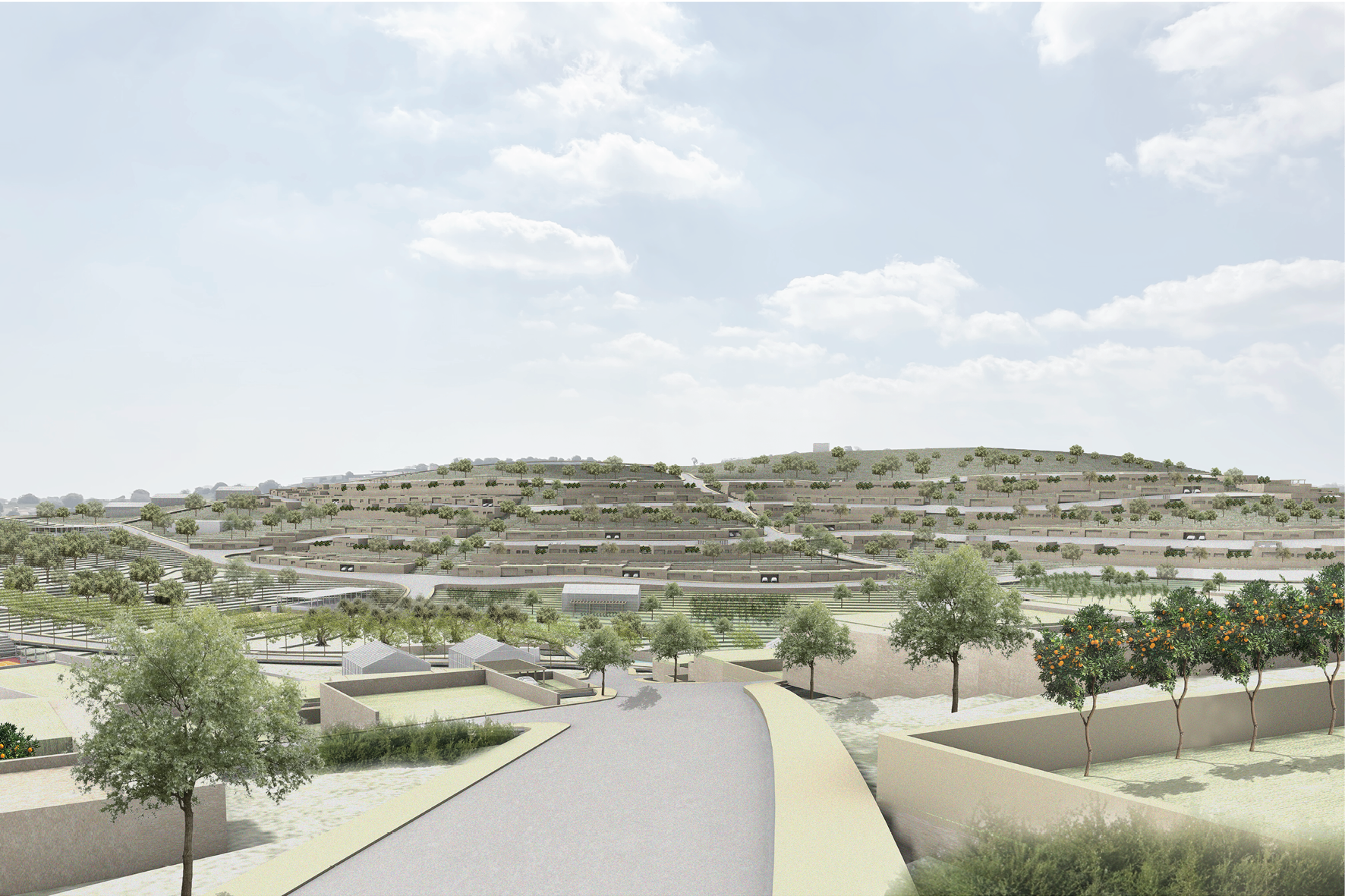
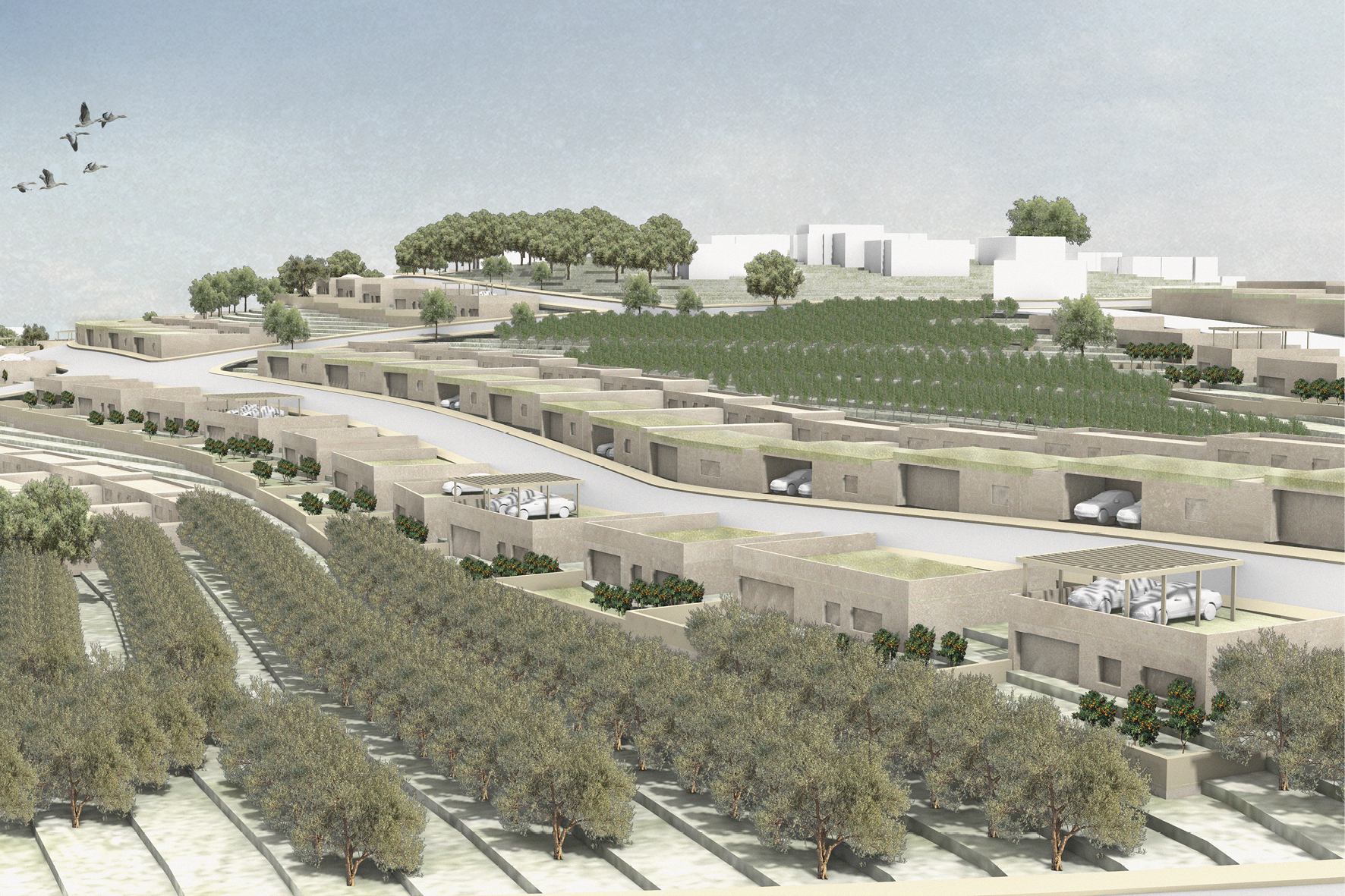
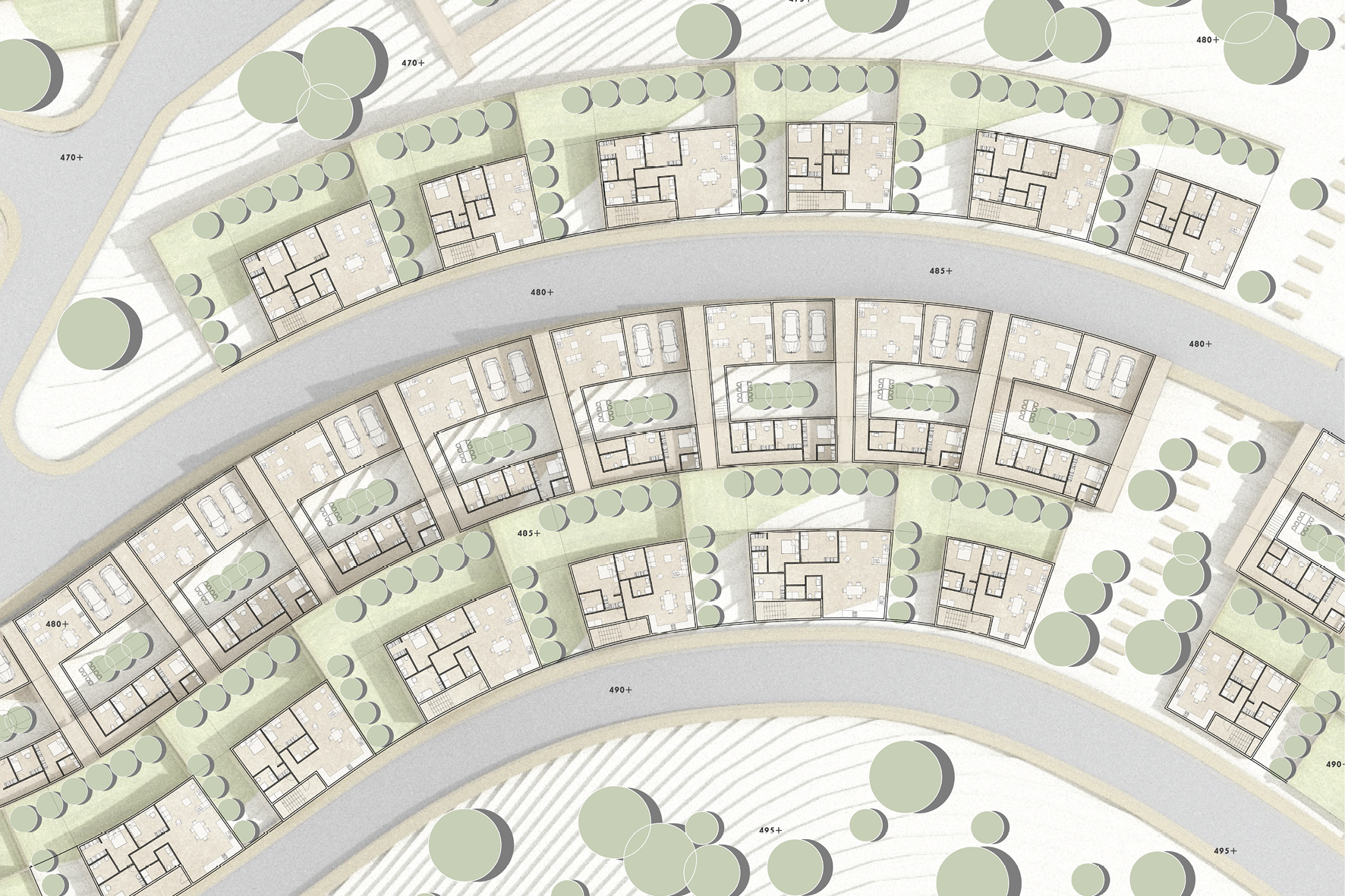
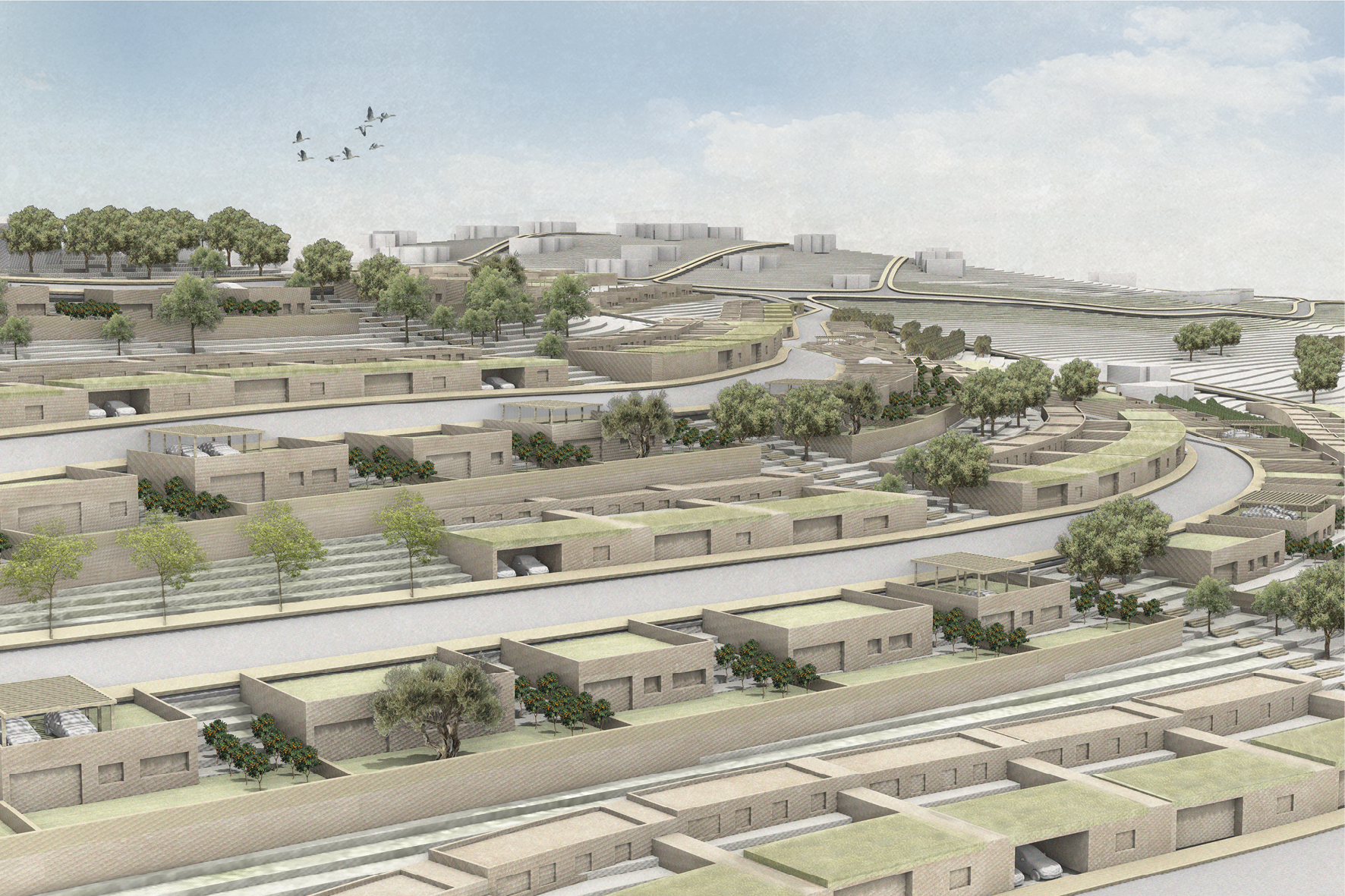
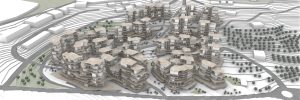
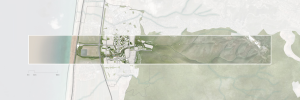
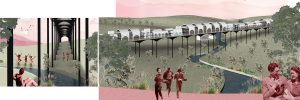
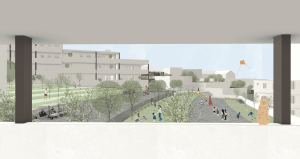
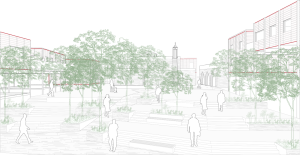
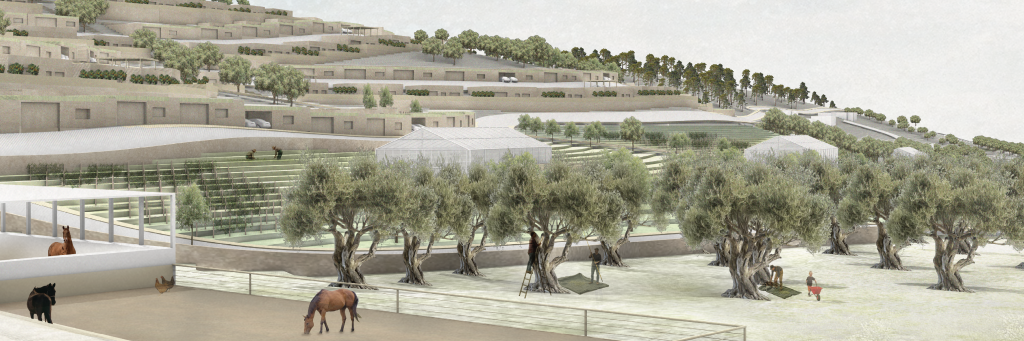
This project challenges the dichotomy of preservation versus development by reframing the biosphere as a framework for possibility. Using core, buffer, and transition zones, it proposes a gradient of land uses that respond to ecological context. Near the protected core, land is dedicated to agriculture, tourism, and ecological functions that both safeguard the environment and create economic value. Further away, residential development is reintroduced, with typologies adapted to the topography and local fabric.
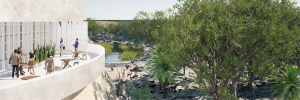
A key element is the creation of a continuous strip of green, productive land along the park’s edge. This buffer protects the ecological core while supporting agriculture, tourism, and small enterprises. It becomes a “living edge” that sustains livelihoods, strengthens the economy, and integrates residents into conservation efforts as active participants rather than excluded communities.
The approach draws on vernacular practices deeply rooted in Arab rural life. Homes historically interwove with gardens and orchards, creating mosaics of cultivated and built spaces that reflected attachment to land and heritage. Practices such as communal olive harvests and seasonal rituals are not merely cultural; they are spatial assets that can guide biosphere-oriented planning.
In this vision, Isfiya is no longer trapped between growth and preservation. It becomes a model of how community-driven planning can mediate the space between conservation and development—allowing both landscapes and communities to thrive.