

The Anthropocene era has brought with it profound environmental and landscape transformations. While the traditional approach to rehabilitating degraded areas is based on attempts to restore the previous state, a different perspective is proposed here: instead of resisting change, we should read it, understand the deep shifts occurring within the system, and explore how these changes can be leveraged to strengthen the relationship between humans and their environment.
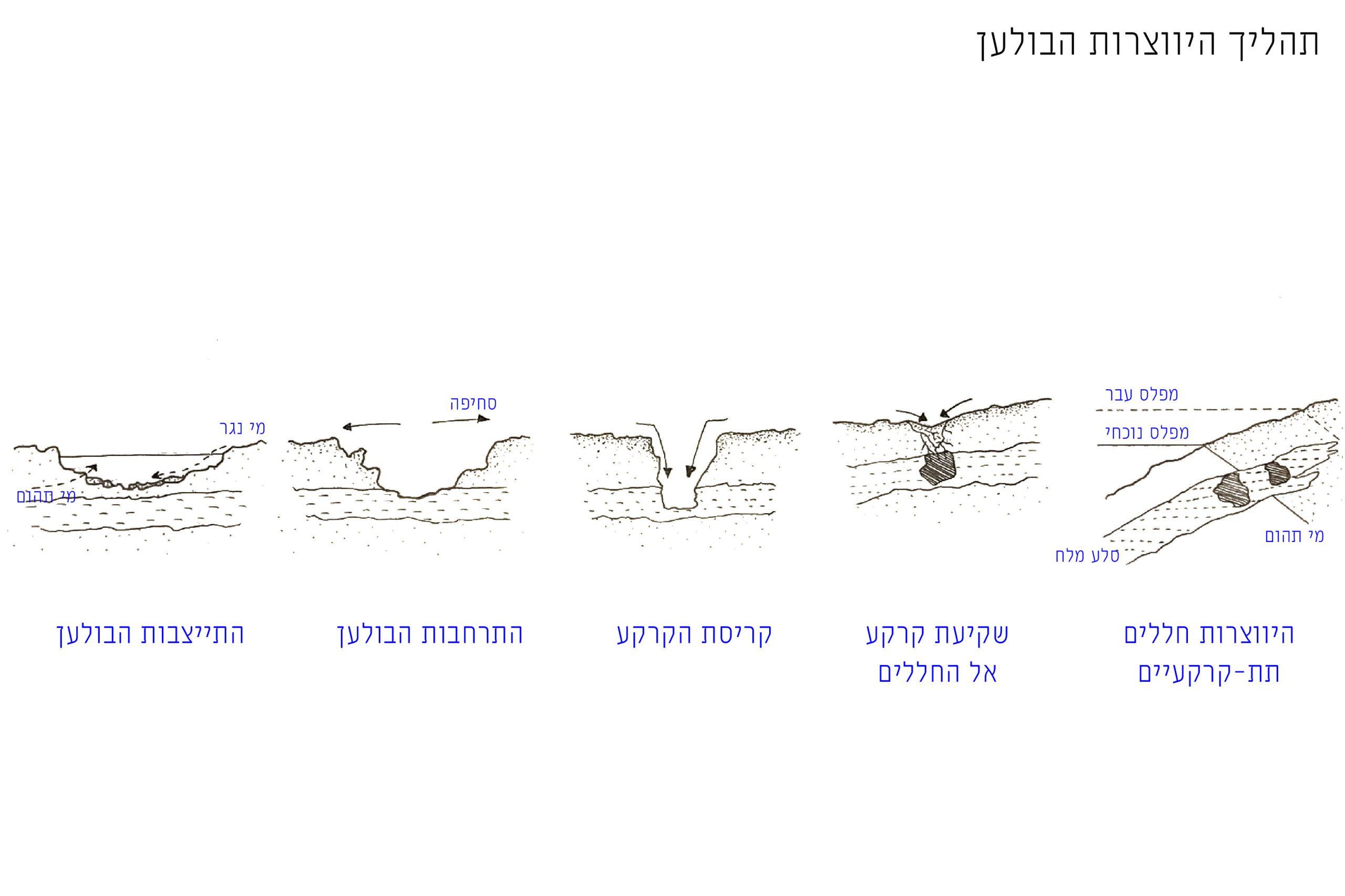
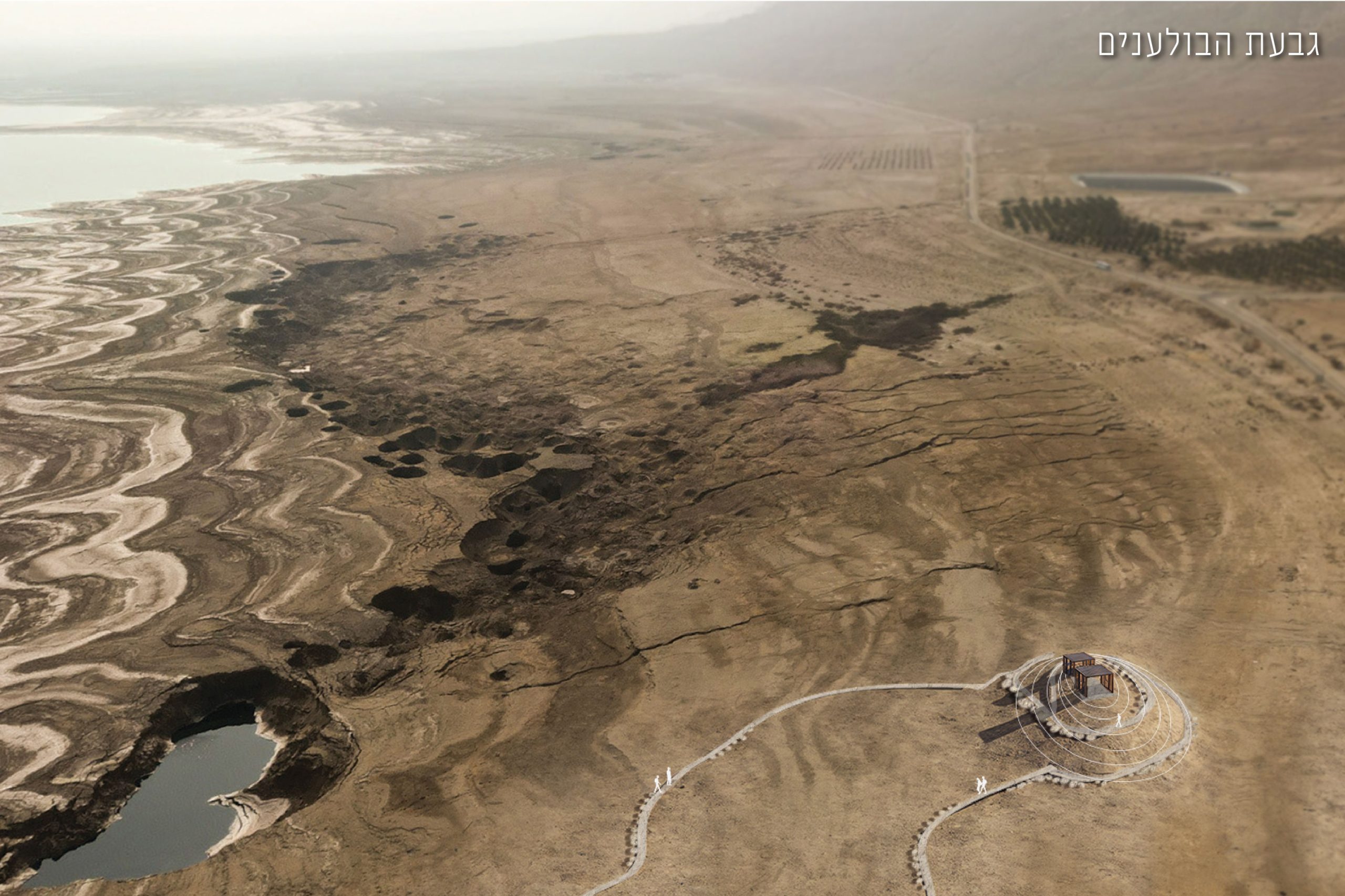
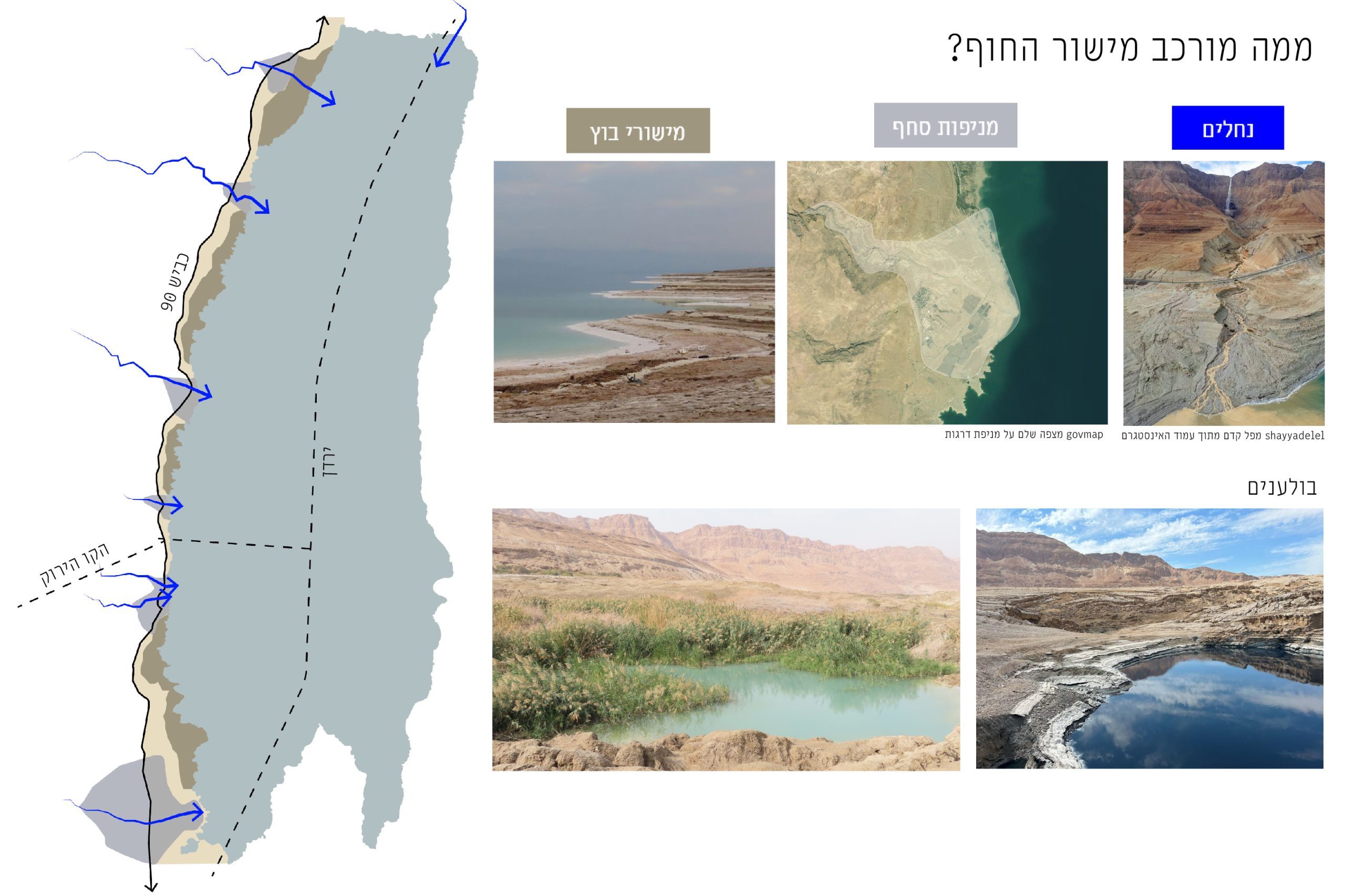
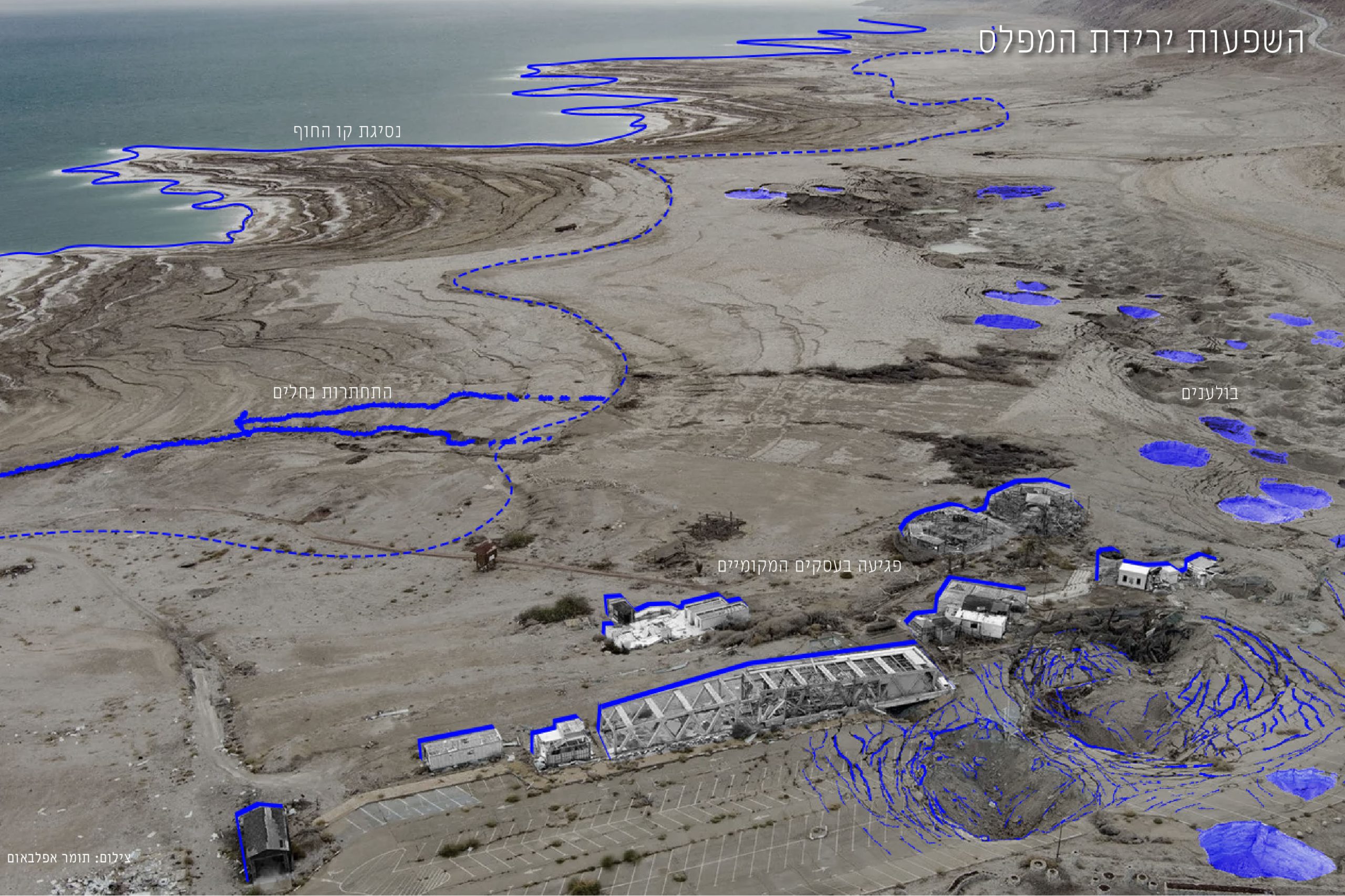
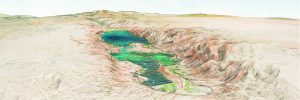
The Dead Sea is a striking local example of this. Intensive human activity during the 20th century accelerated the decline in water levels, which now falls by more than 1 meter per year. In 1976, the sea split into two basins. The falling water level has triggered sinkholes, channel erosion, and shoreline retreat, all of which have altered the functioning of the northern basin — from a vibrant tourist destination to a neglected area, with sections closed to the public. Today, discussions about the receding water level largely focus on engineering alternatives to slow its decline, yet such solutions face significant economic and environmental challenges. On the other hand, the “business as usual” approach accepts continued industrial activity and decades of decline as an unavoidable trajectory.
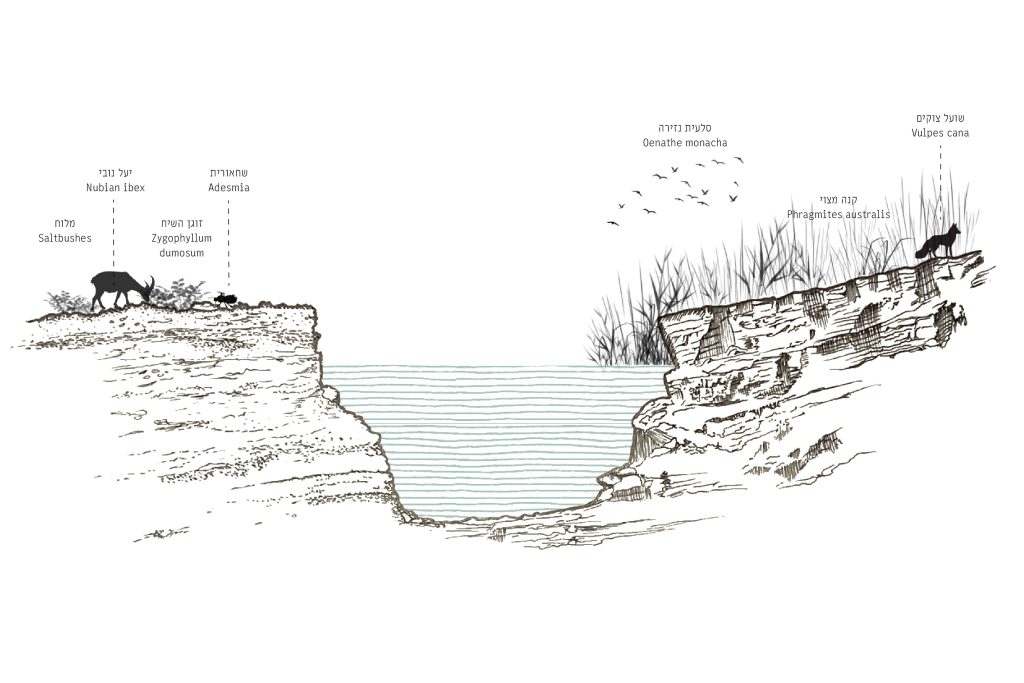
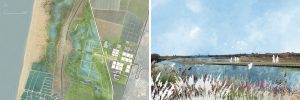
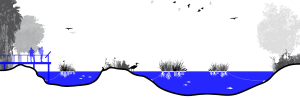
Alongside the physical challenges of the shifting shoreline, the institutional perception of change as a threat only deepens the alienation between people and landscape. The farther the shore recedes, the weaker the public’s connection to it becomes. However, by observing the emerging ecosystem along the Dead Sea’s shores, another possibility arises — to view change as an opportunity for renewal that adapts to reality.
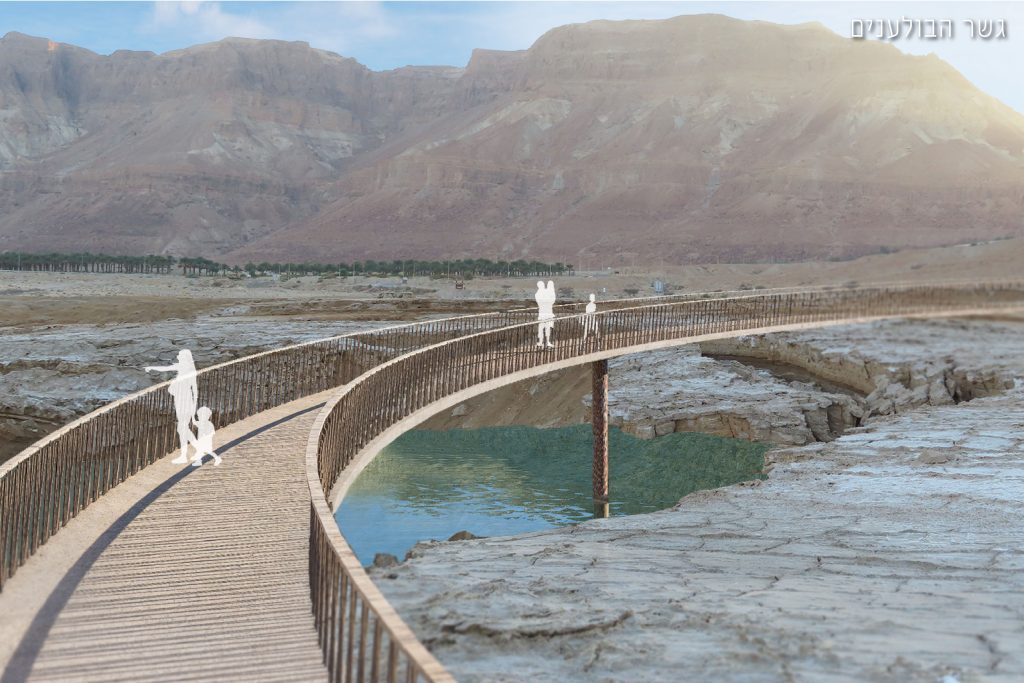
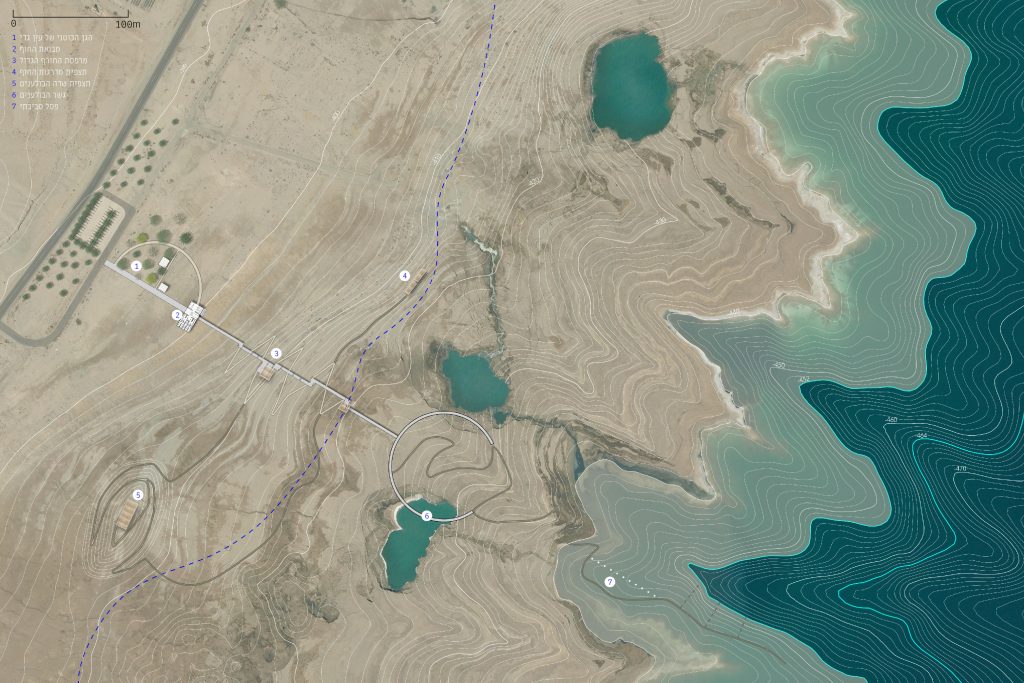
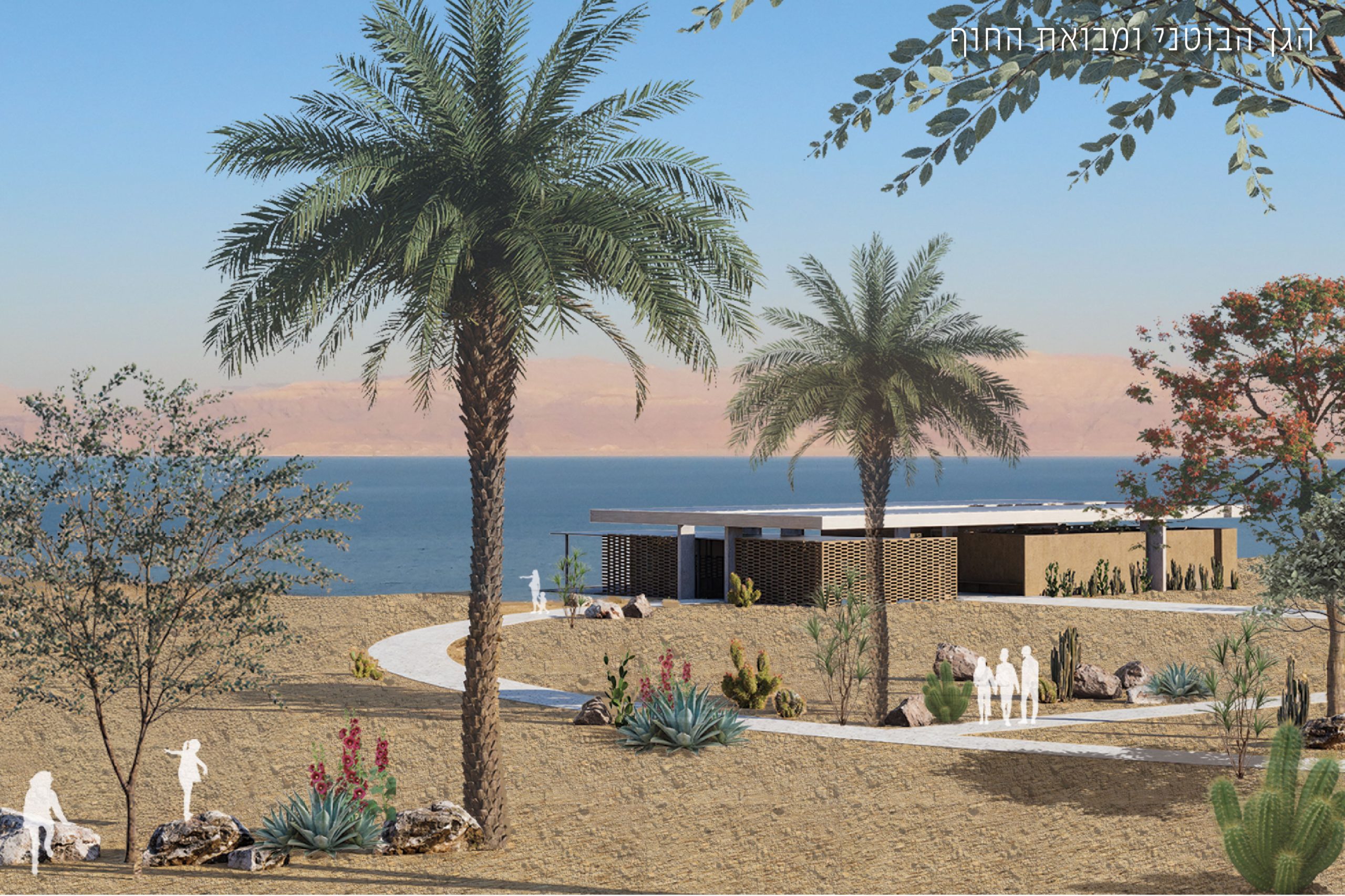
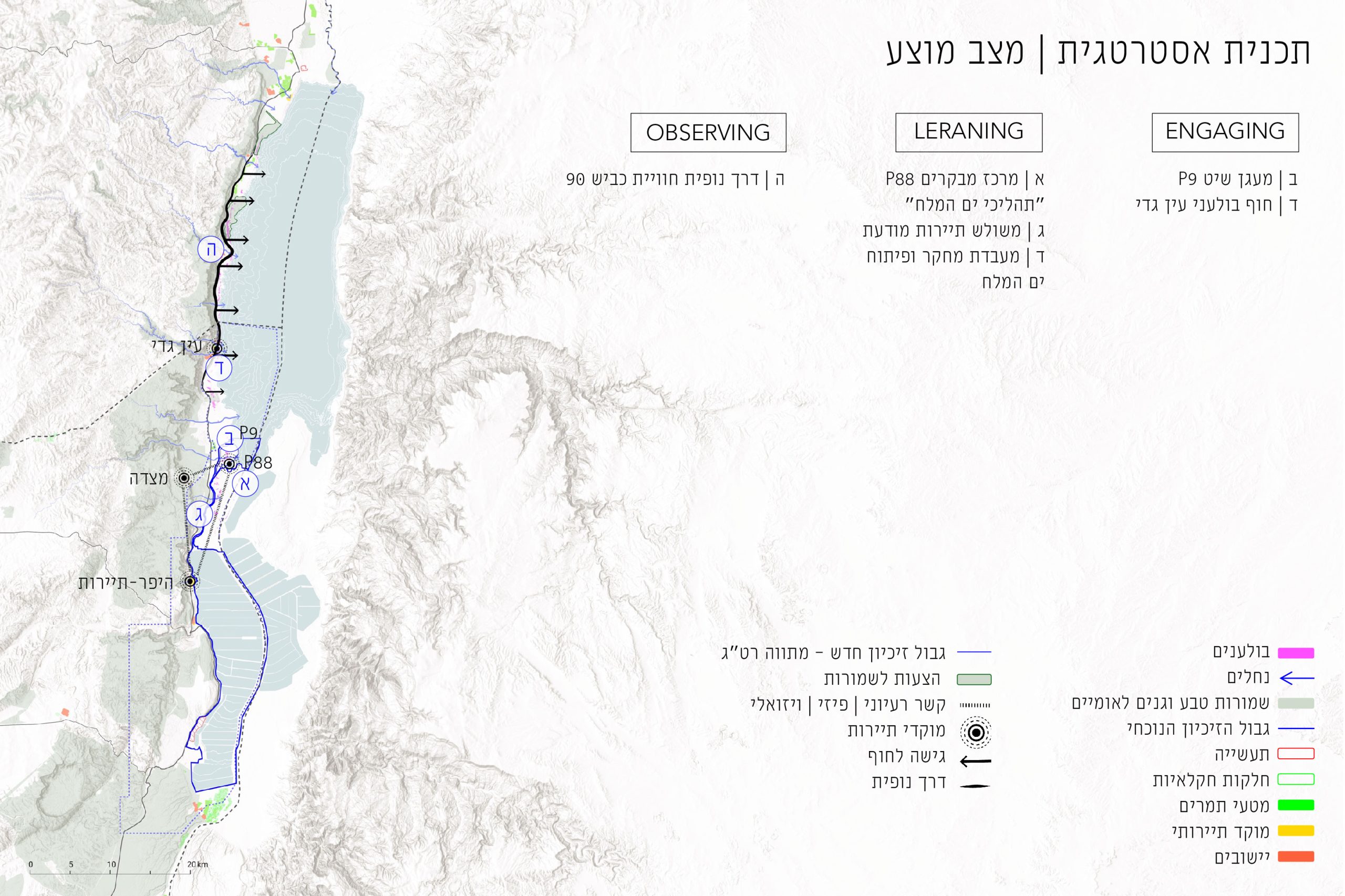
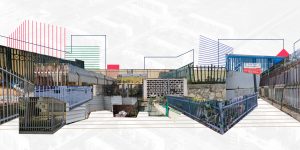
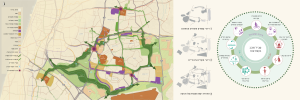
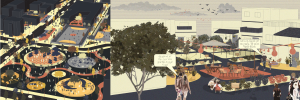
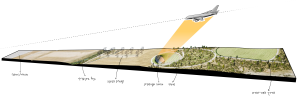
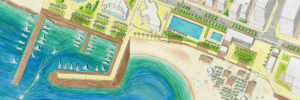
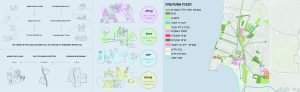
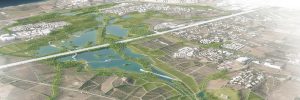
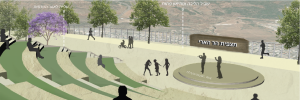
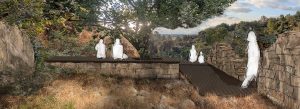
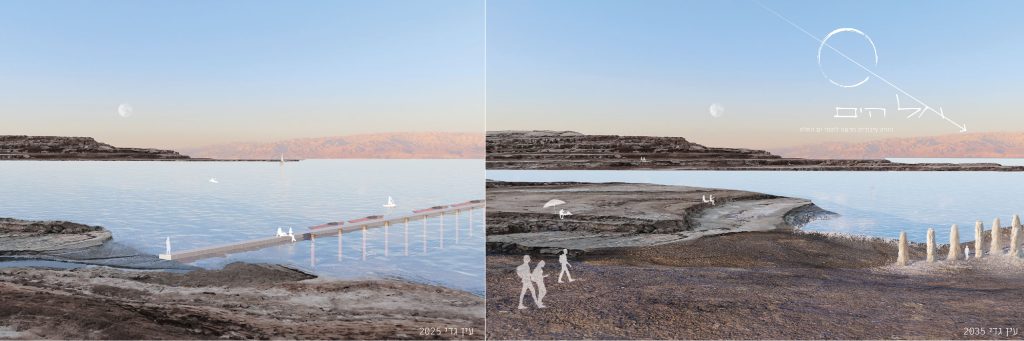
The expiration of ICL’s concession in 2030 offers a window of opportunity to reframe the catastrophic consensus of the “Dead Sea.” The “Sea Bound” project proposes a re-appropriation of public experience along its shores. By learning about the risks and opportunities and through monitoring-based development, I propose creating new, safe connections to the northern basin’s shoreline along Highway 90. Redefining and marking points of interest in the landscape will create a more engaging touristic experience, enabling a renewed encounter between people and the Dead Sea.