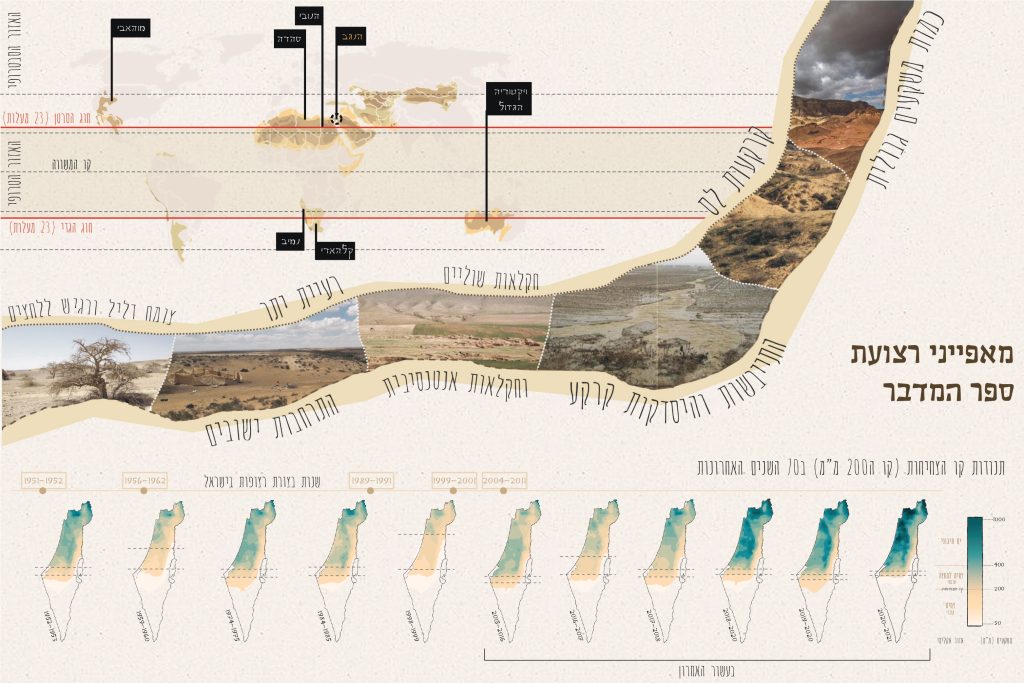

As part of the global desert belt, the Negev Desert has been subjected for centuries to processes of desertification and land degradation, as evidenced by soil erosion and a decline in agricultural productivity. These processes are largely the result of human activities that exceed the regenerative capacity of soils, including overexploitation for agriculture, salinization, intensive grazing, and deforestation. Such practices exacerbate degradation and drive extensive soil loss.
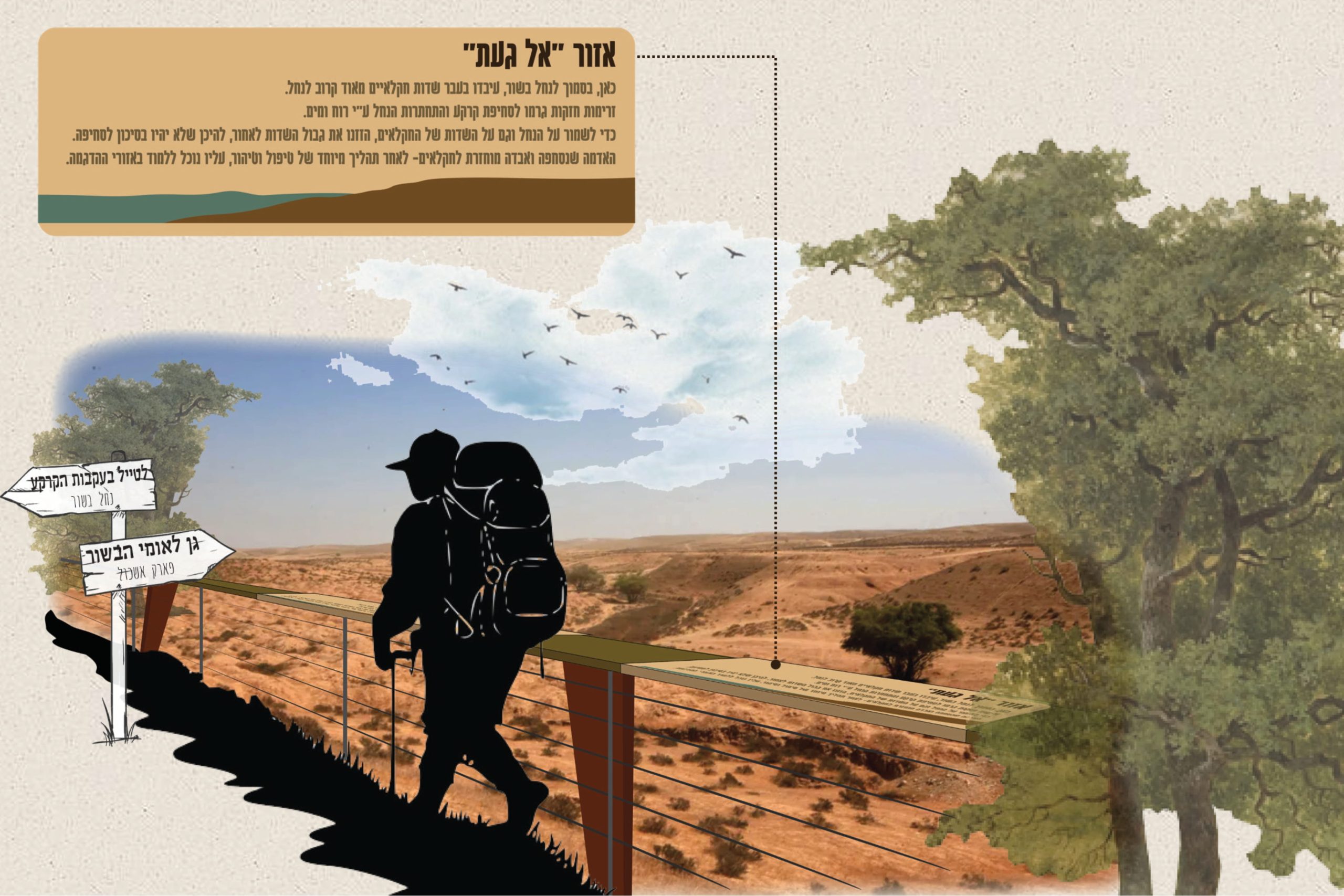
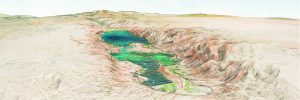
The desert margin of the northern and western Negev, representing the ecological transition between semi-arid and arid zones, is the most vulnerable area to these dynamics. Long-term monitoring shows significant erosion and vegetation loss in this region, reaching levels characteristic of true desert landscapes. Projections suggest that within the next 25 years, Israel may lose approximately 47% of its fertile agricultural land. This scenario poses direct threats to national food security and endangers the cultural and agricultural landscapes of the northern and western Negev.
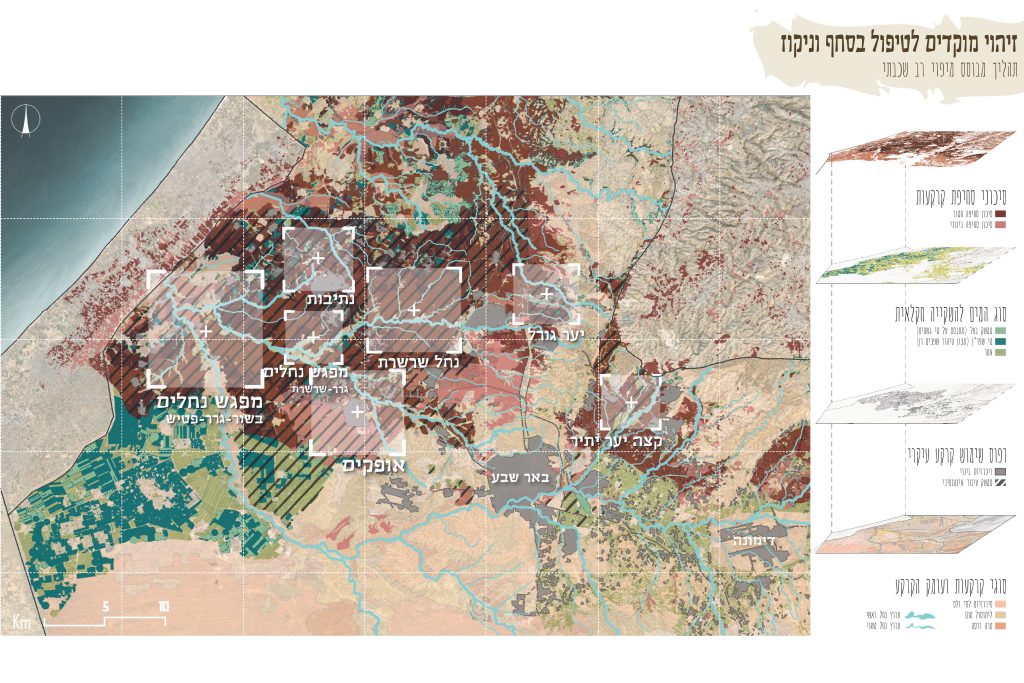
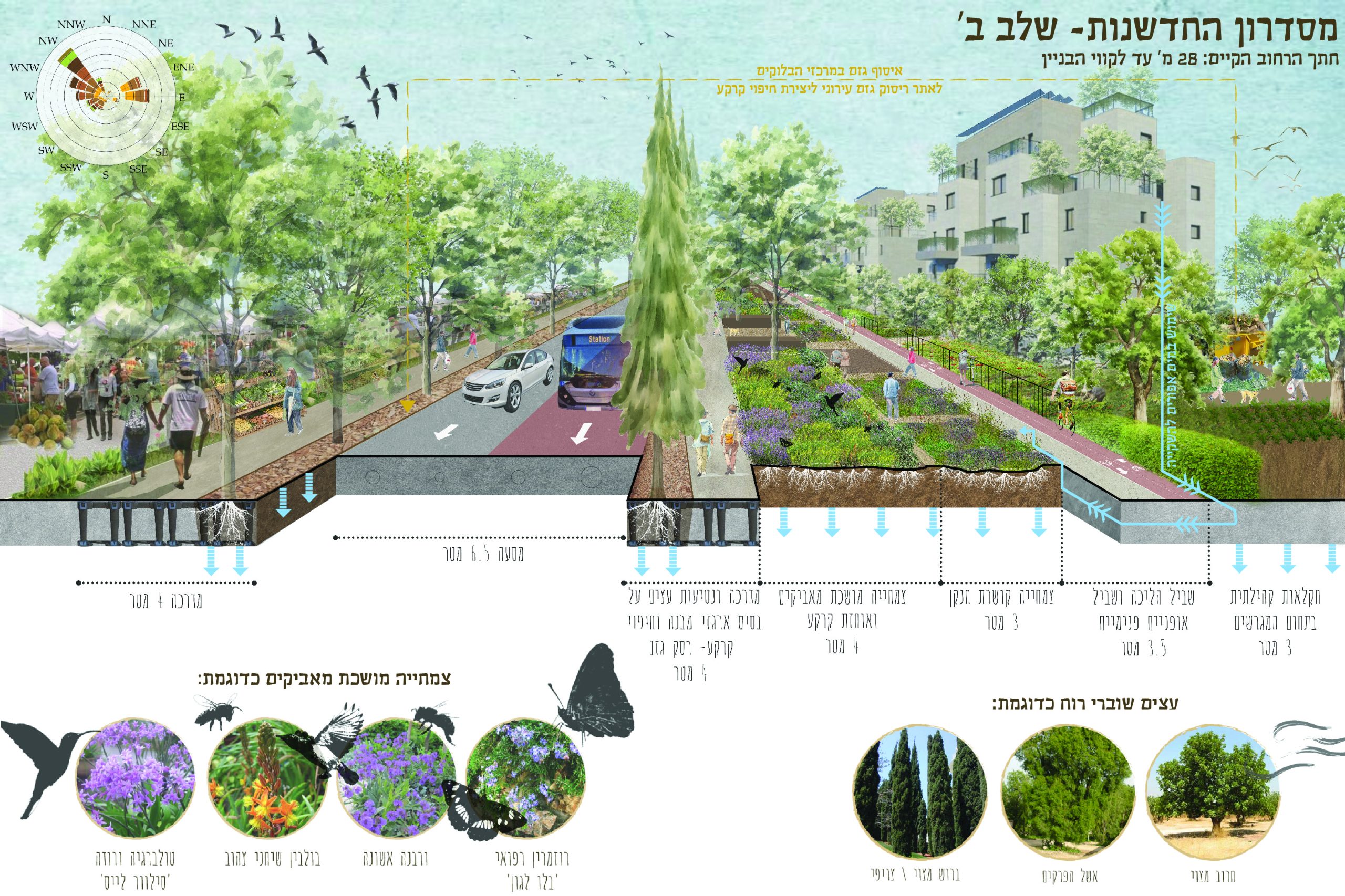
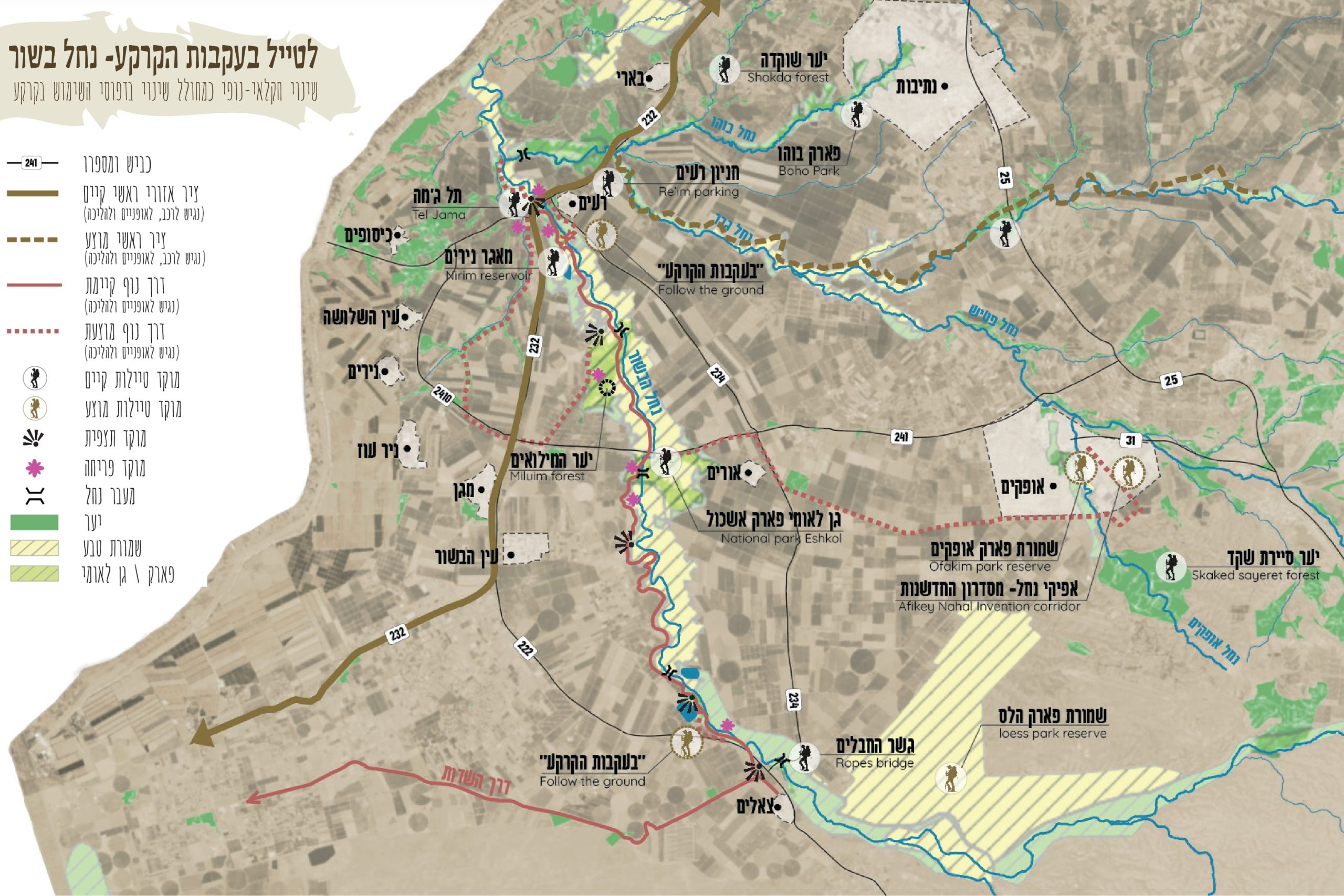
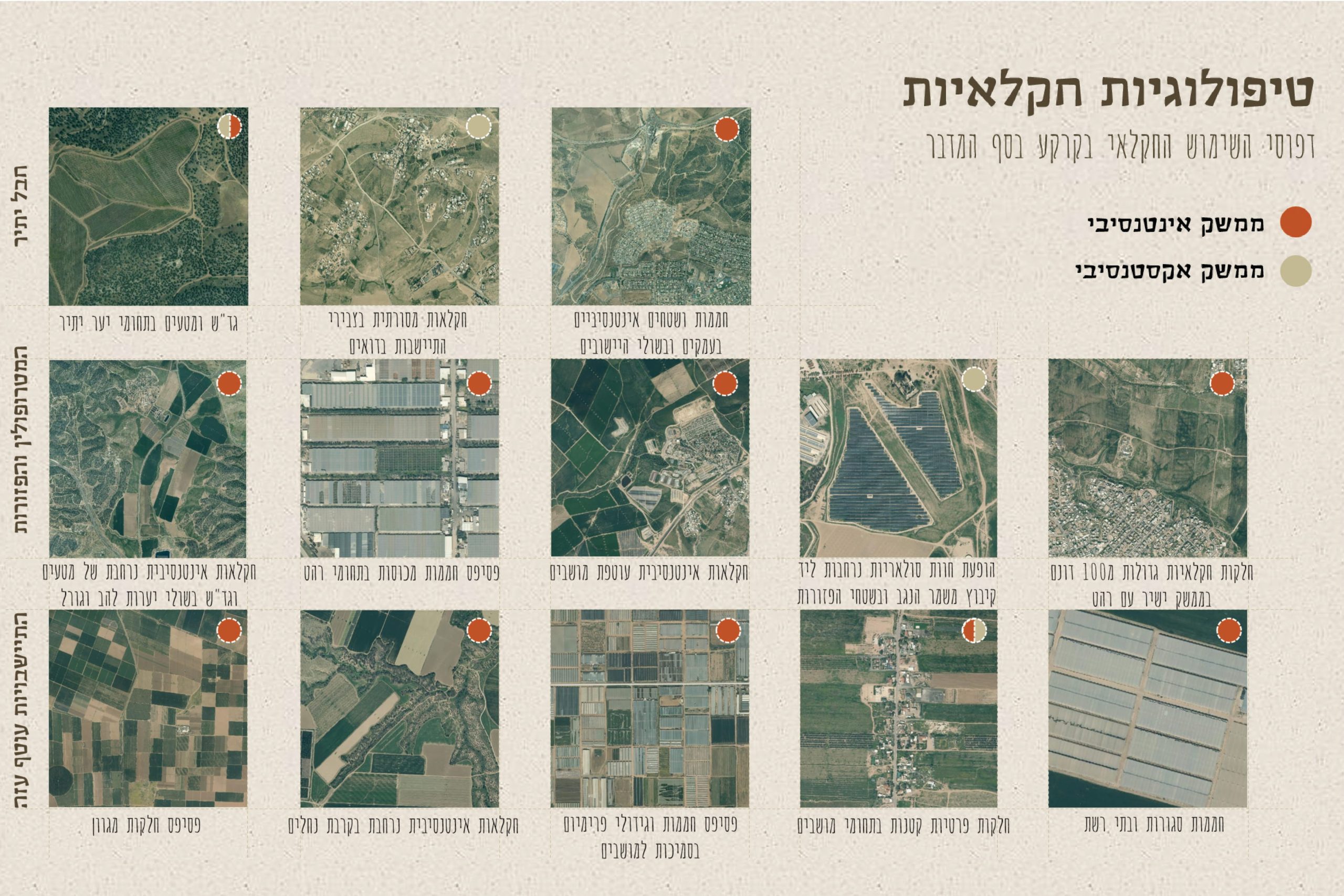
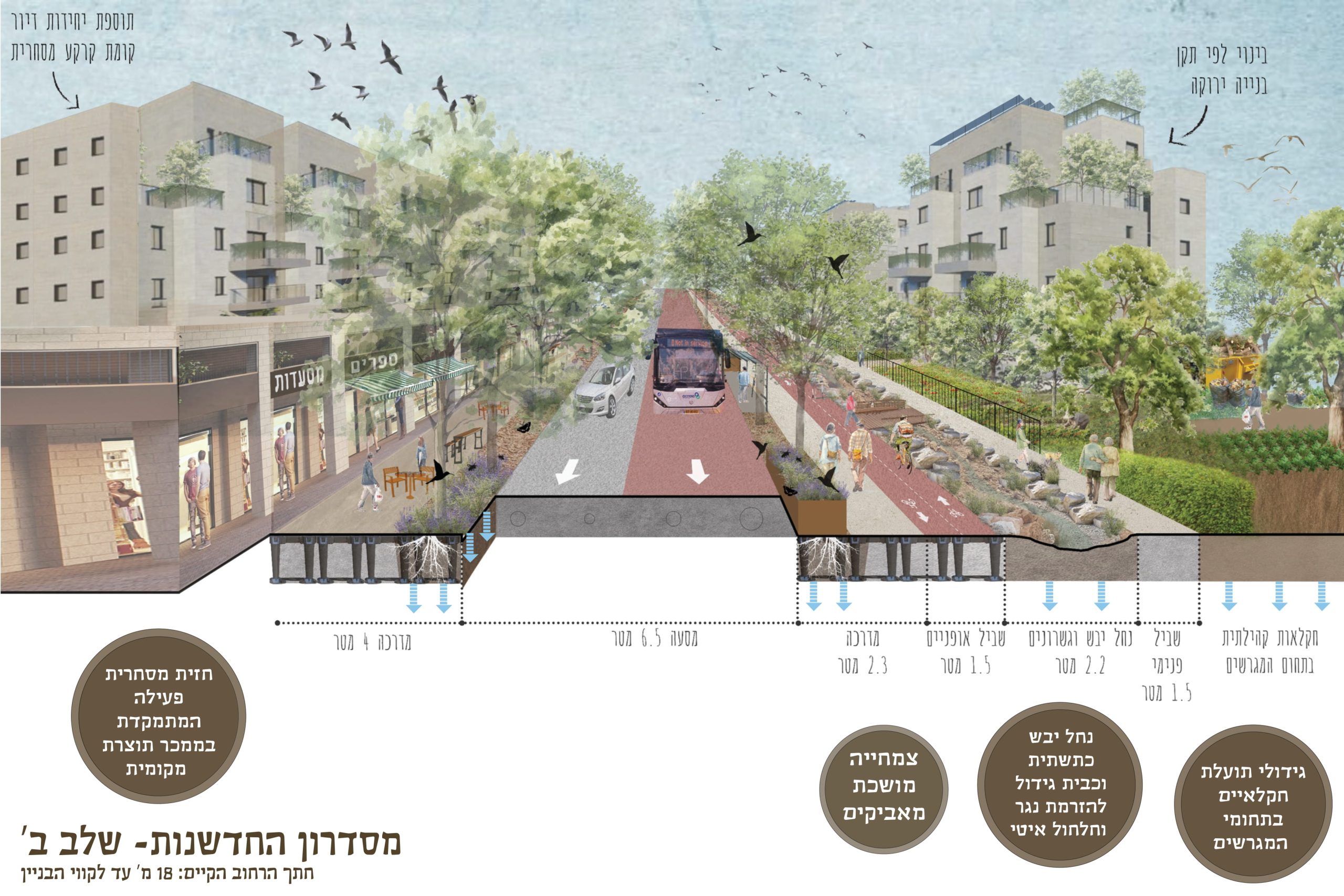
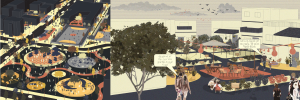
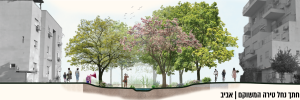
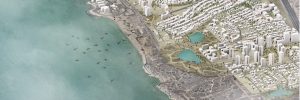
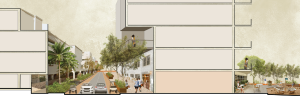
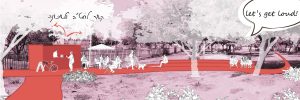
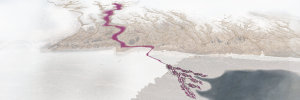
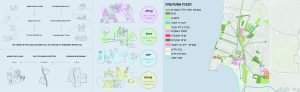
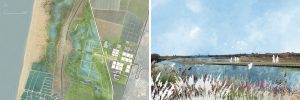
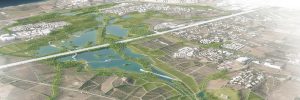
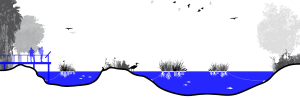
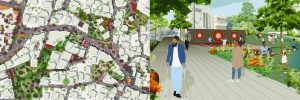
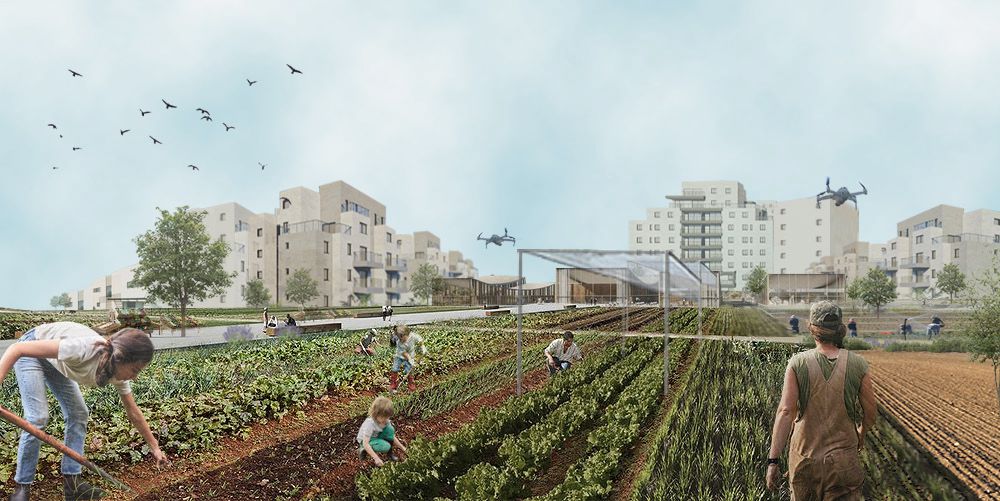
Since their establishment, rural settlements along the desert margin have sustained agricultural livelihoods dependent on limited natural resources, embodying the national vision of “making the desert bloom.” Given the acute national importance of the northern and western Negev, and their role as Israel’s “breadbasket,” this project reconsiders patterns of land use and planning at the desert’s edge. It focuses on two contrasting sites: the urban context of Ofakim, and the rural context of Bsor stream.
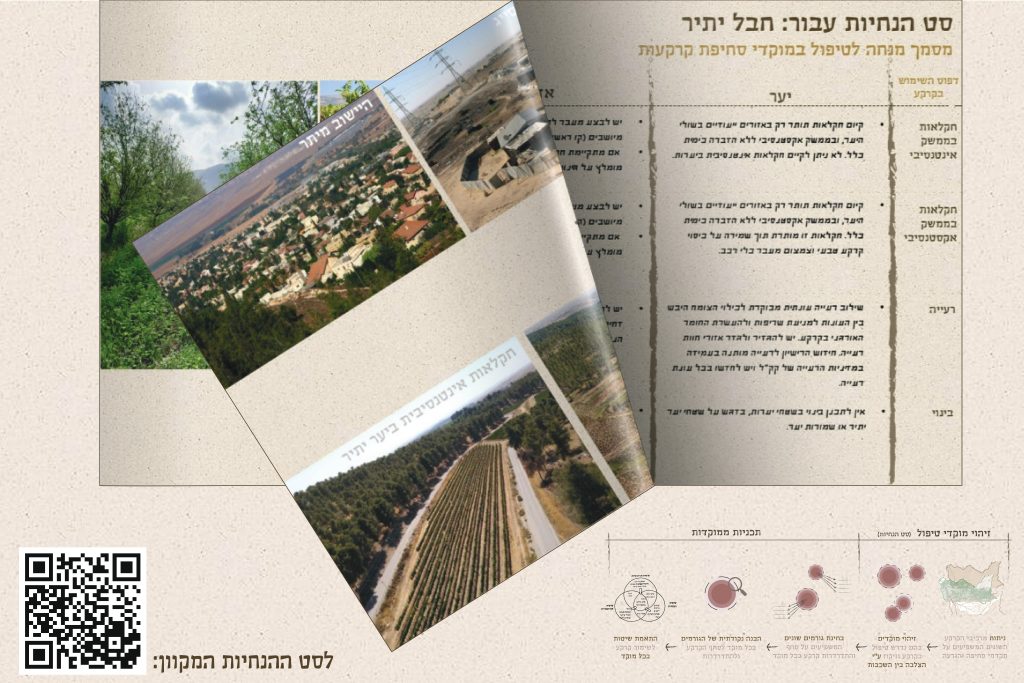
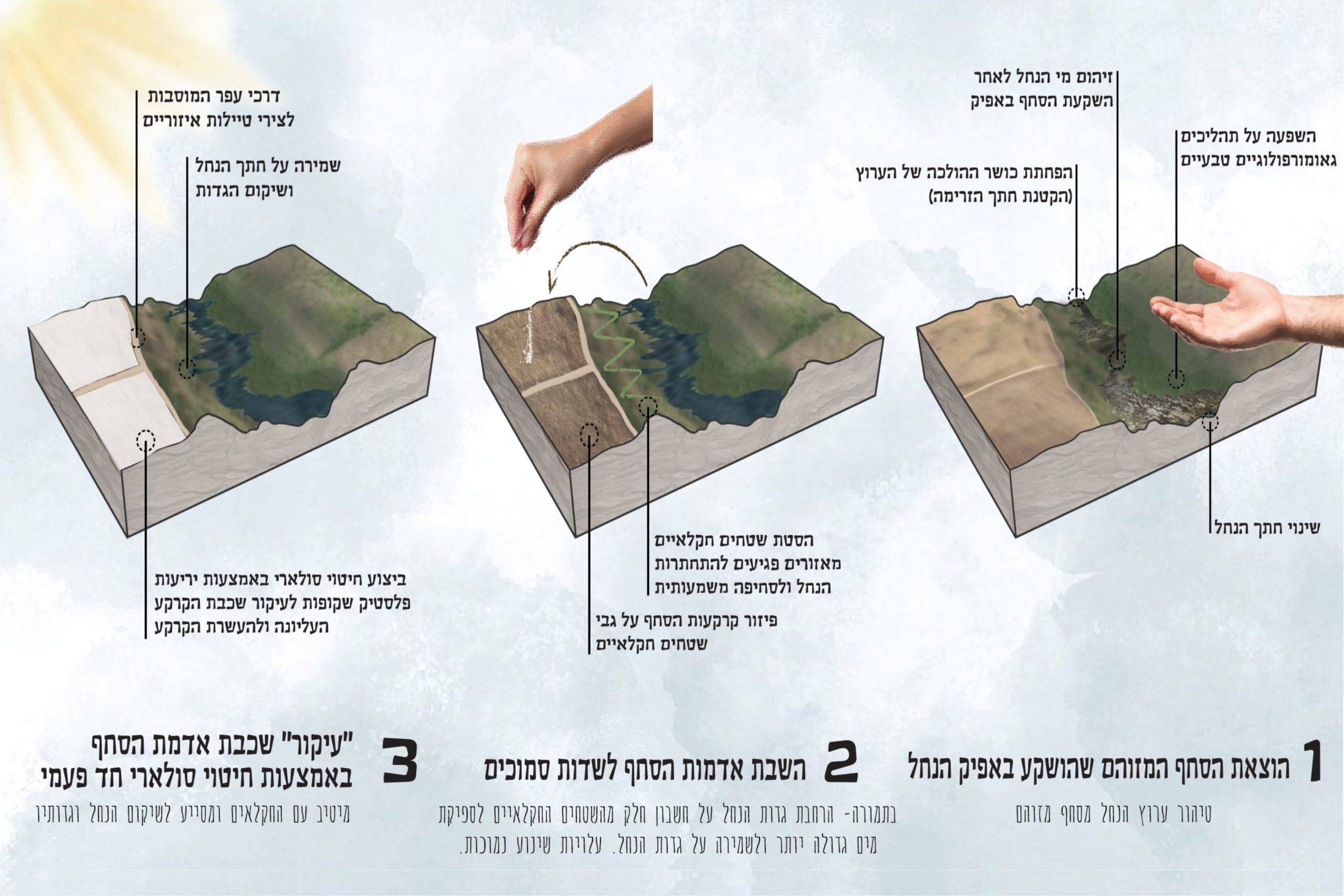
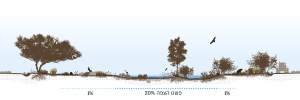
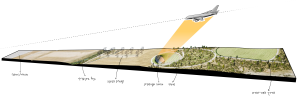
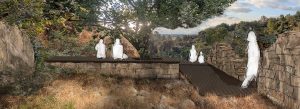
The project proposes planning systems that place soil health at the center, framing it as a foundational condition for ecological, agricultural, and landscape rehabilitation in areas sensitive to degradation and desertification. These efforts are grounded in the recognition that soil is a finite, non-renewable resource requiring careful stewardship. By shifting land-use practices toward regenerative management, it is possible to reduce loss and restore resilience. The project ultimately calls for a renewed perspective: treating soil not as an endlessly exploitable asset, but as a living entity that must be managed cautiously, healed, and used adaptively.