

The demographic growth in Arab towns and villages underscores the urgent need to develop innovative planning models that balance contemporary housing needs with the preservation of cultural identity and local character. Institutional expansion processes, often based on uniform planning templates, fail to adequately address the unique social, economic, and spatial characteristics of Arab communities. This raises the central research question: How can the expansion of Arab settlements and the future of the Arab population be planned while preserving the community’s culture and distinctive identity?
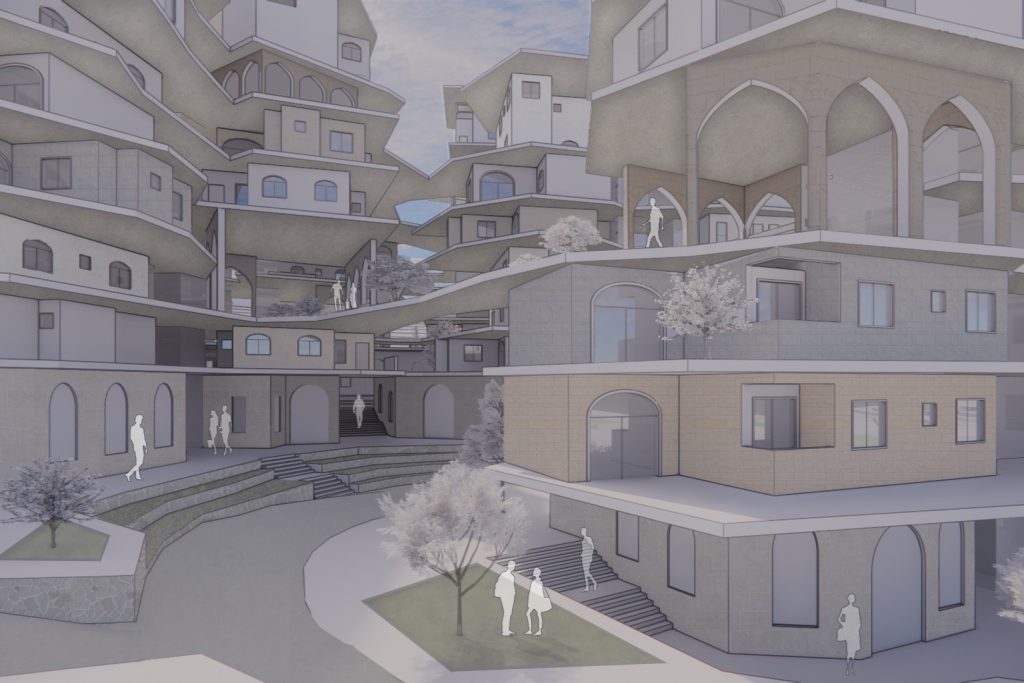
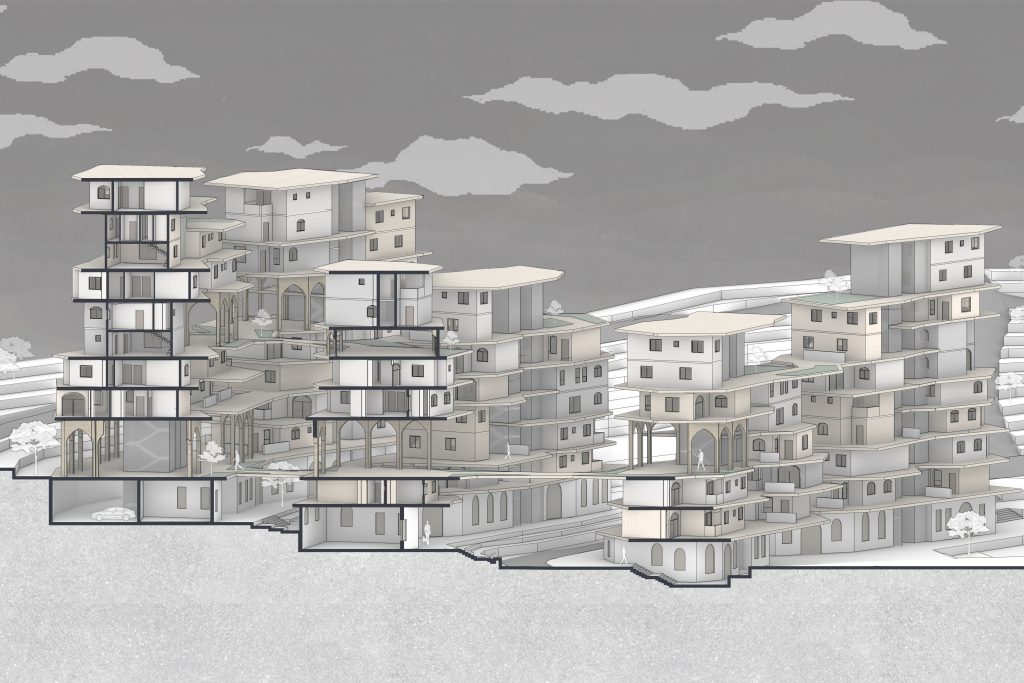
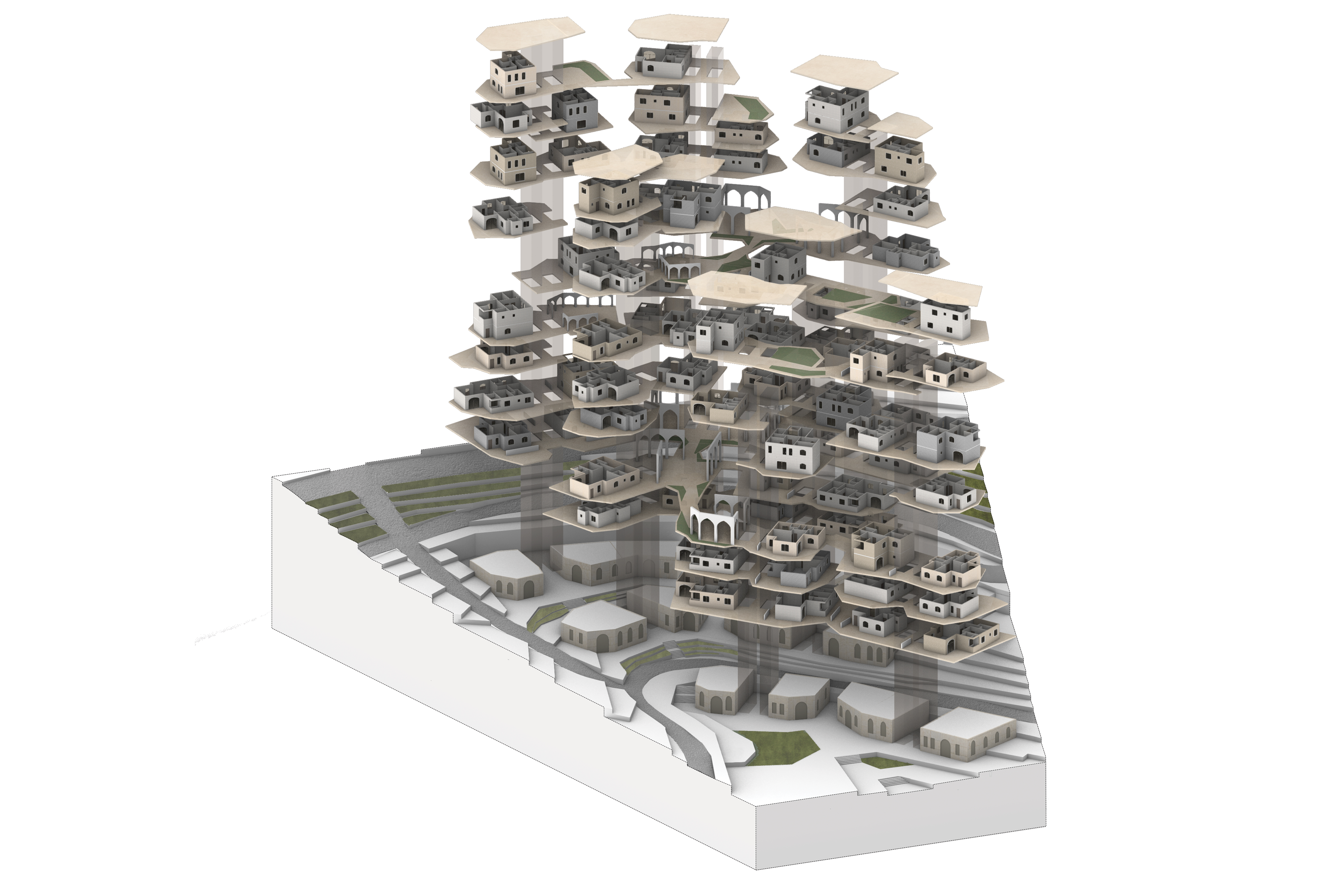
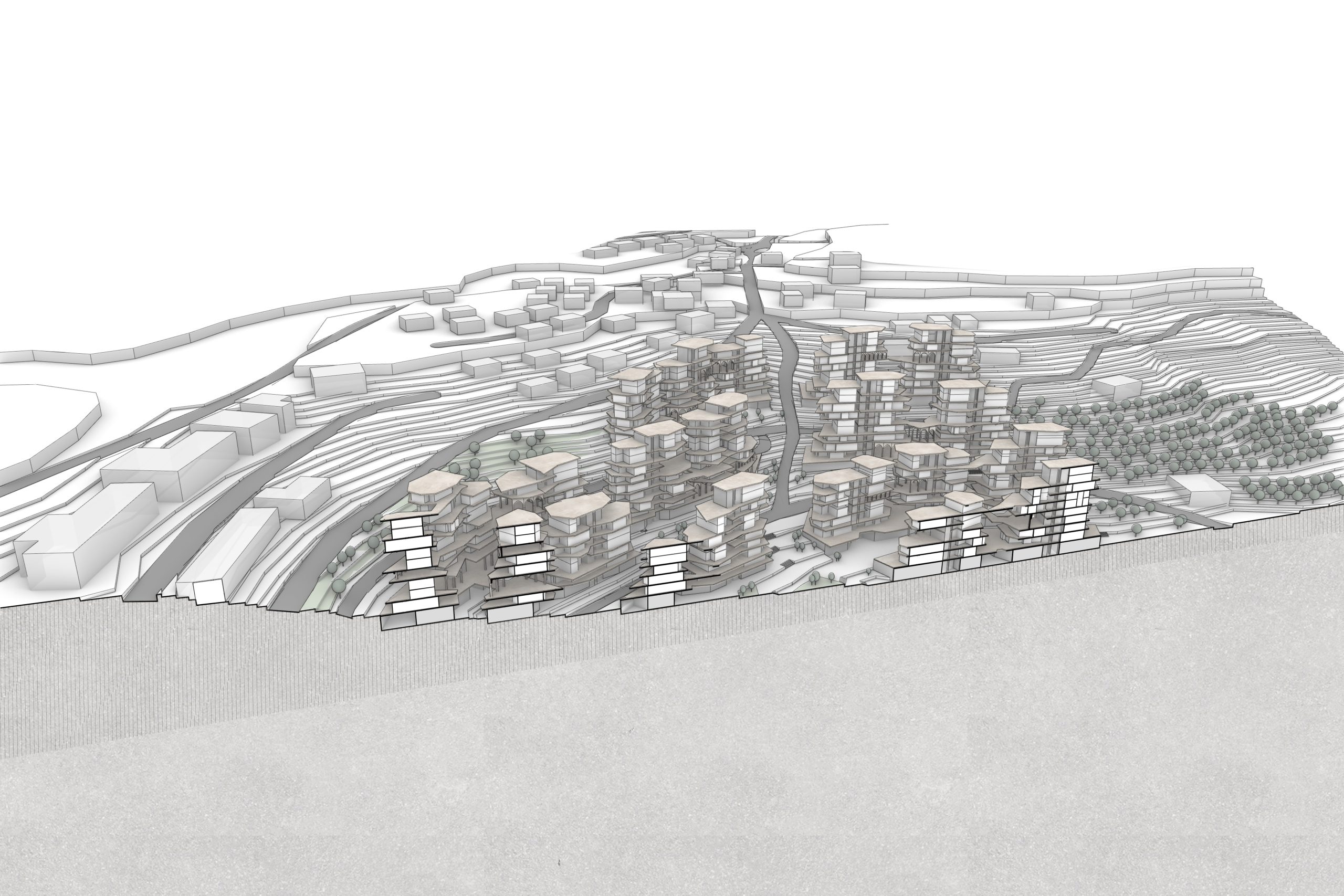
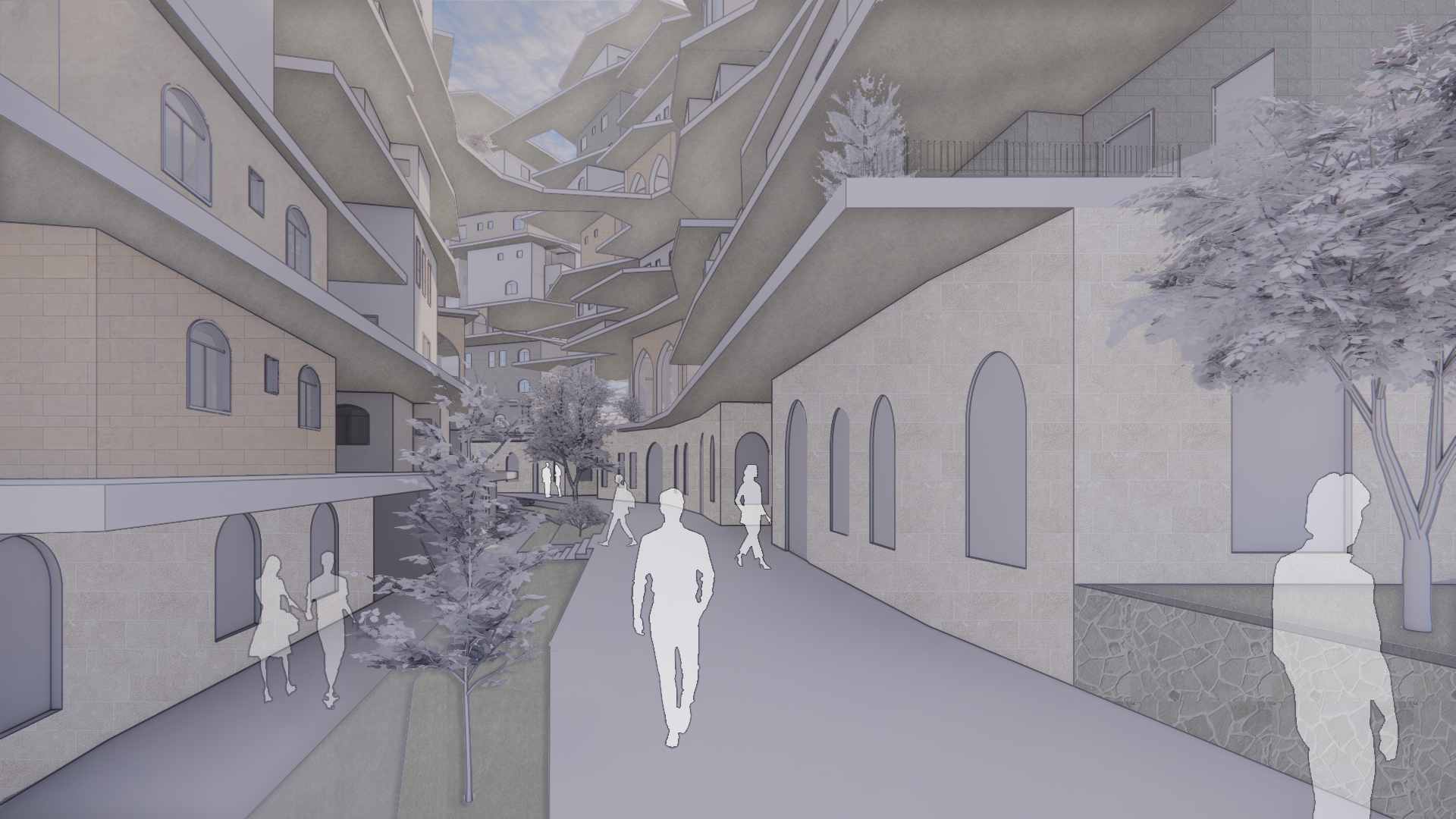
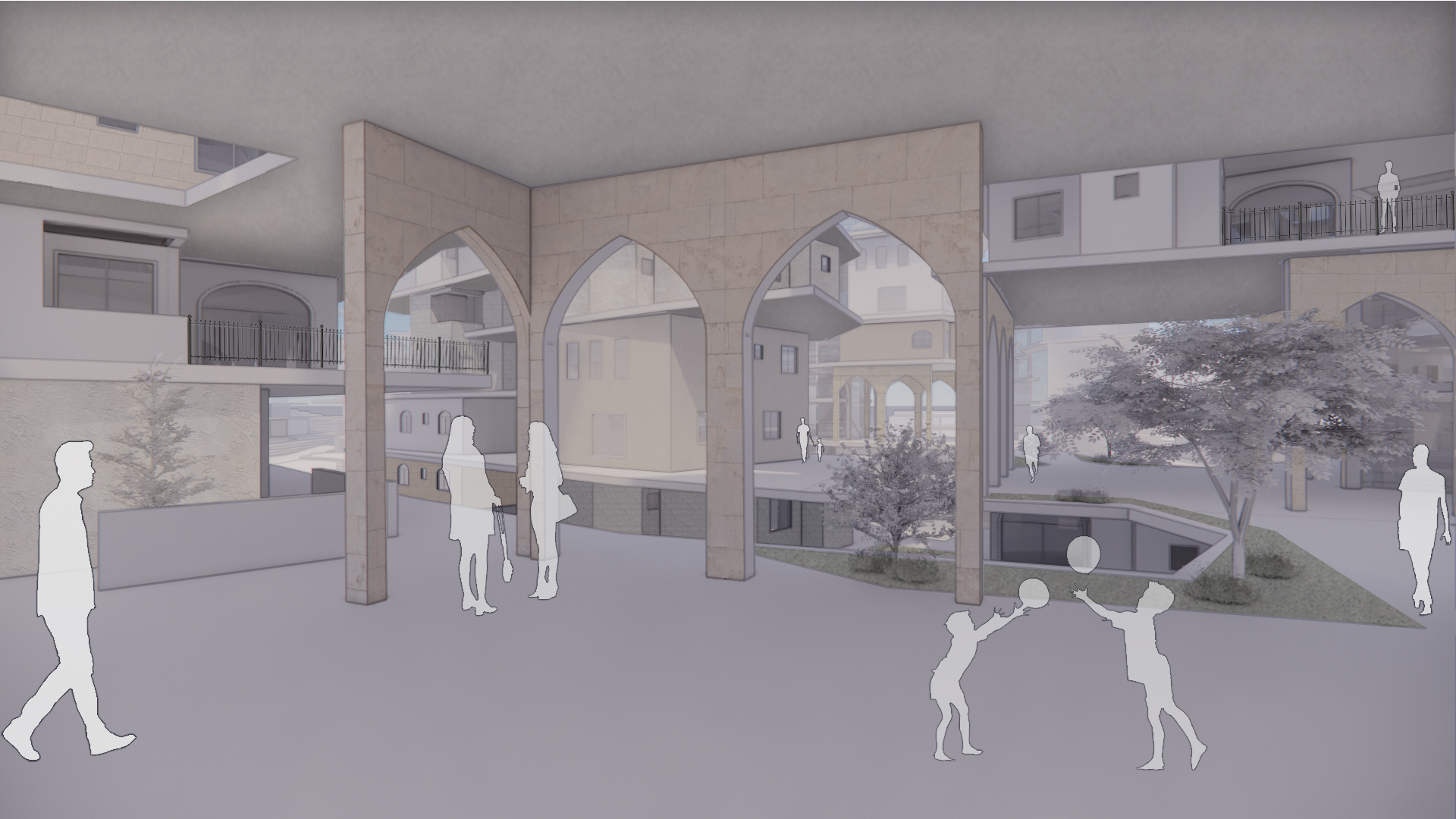
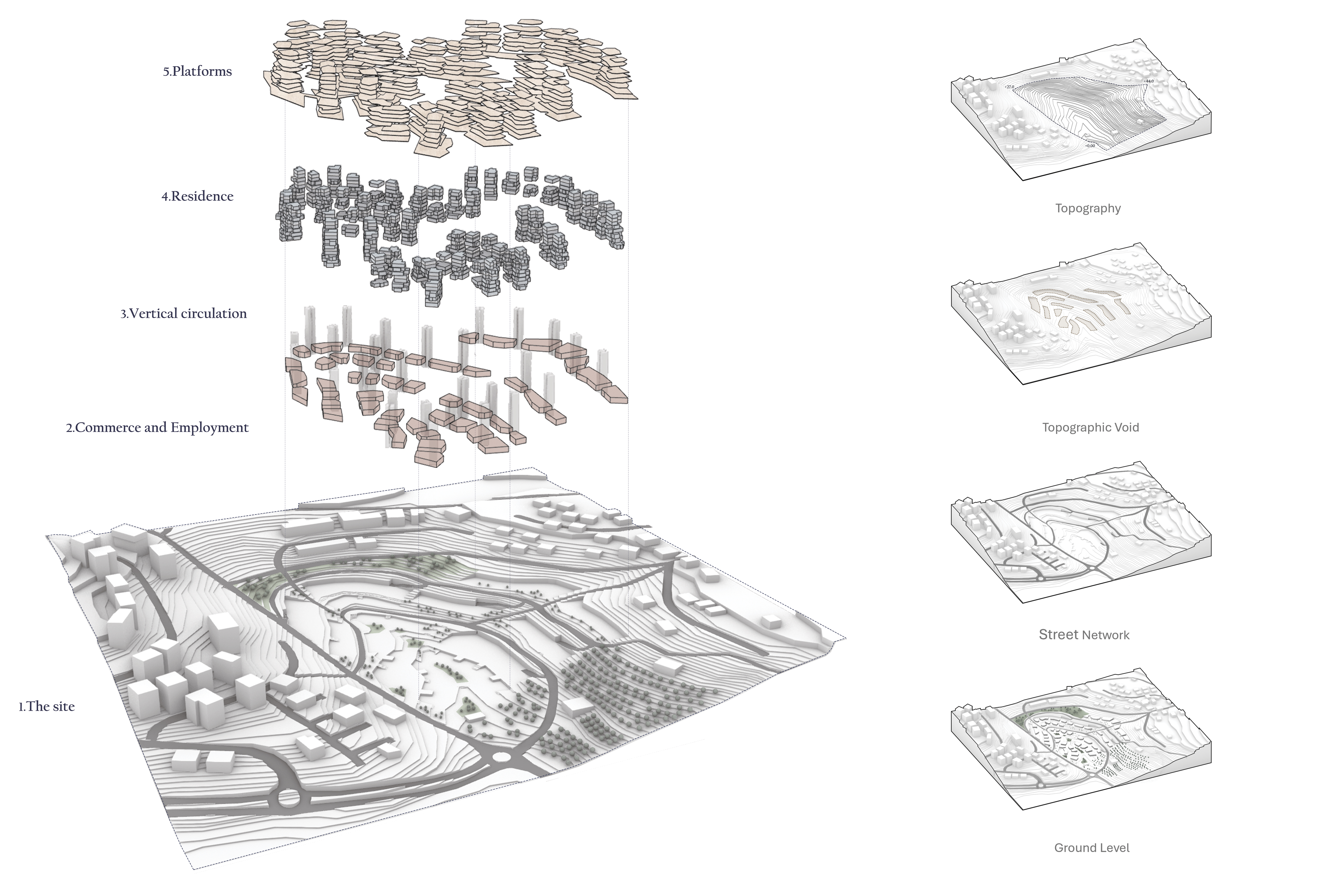
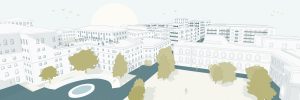
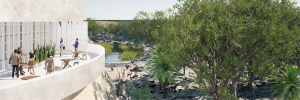
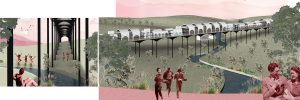
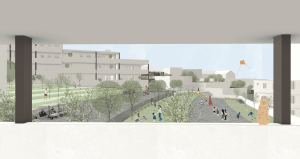
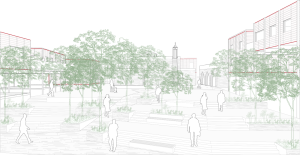
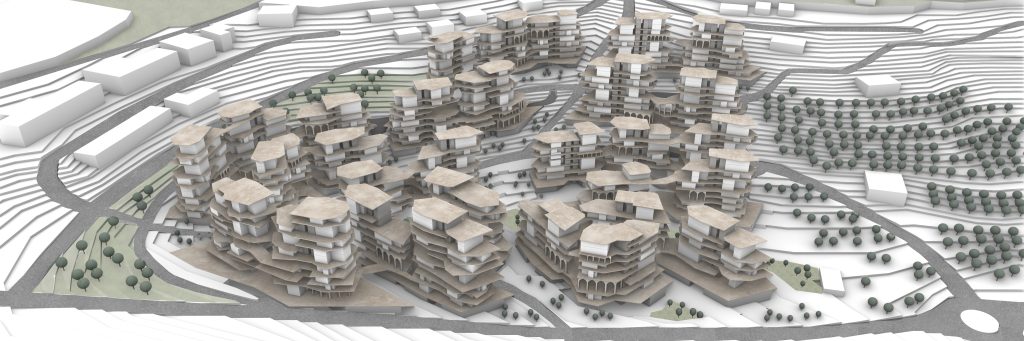
The project proposes a planning approach that combines the organic growth principles of the traditional village core with contemporary practices of multi-layered development. Particular emphasis is placed on the ground floor as an active socio-economic hub that fosters community interaction and supports local businesses, alongside the organization of the upper levels as flexible, diverse residential spaces.
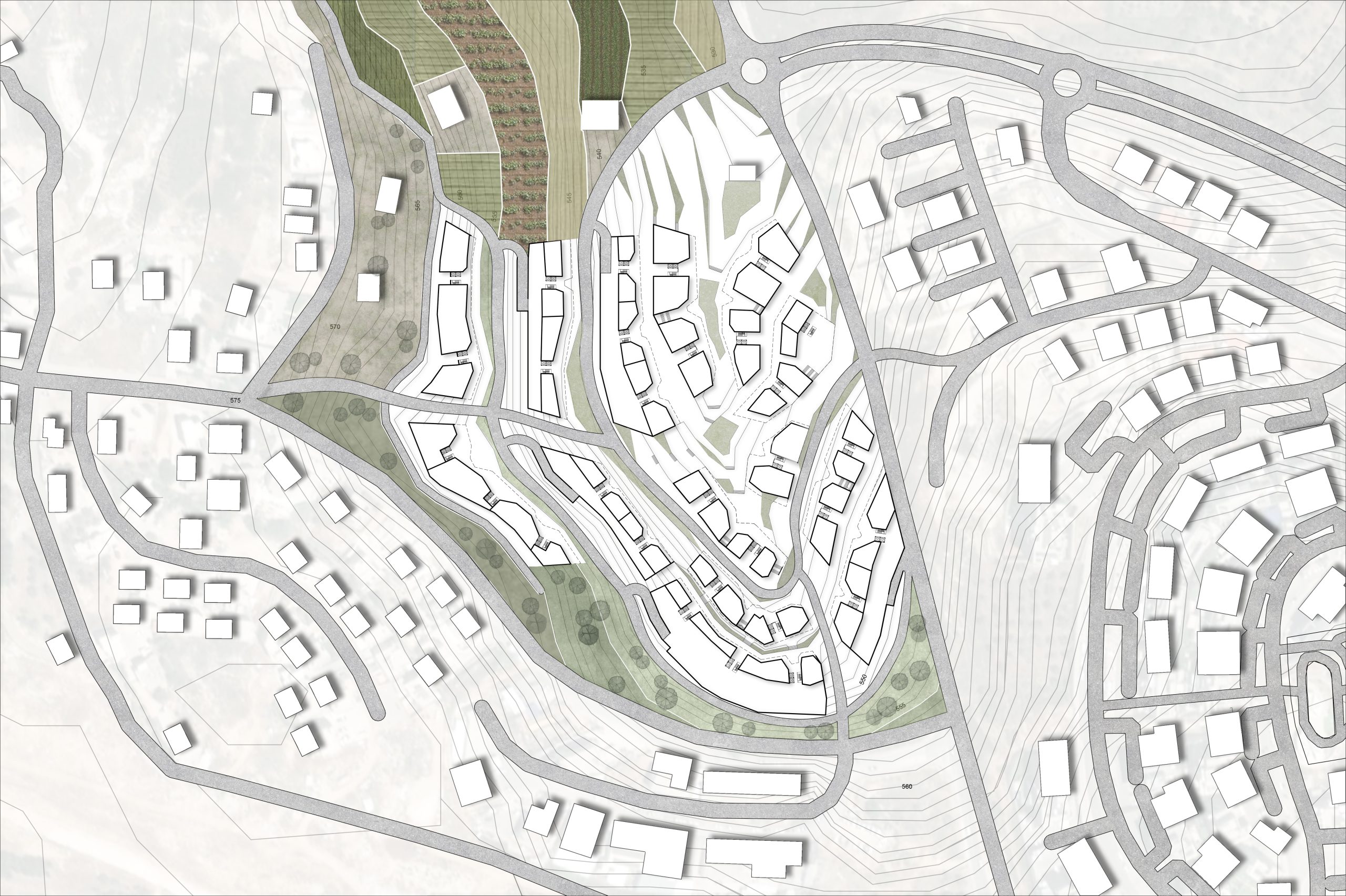
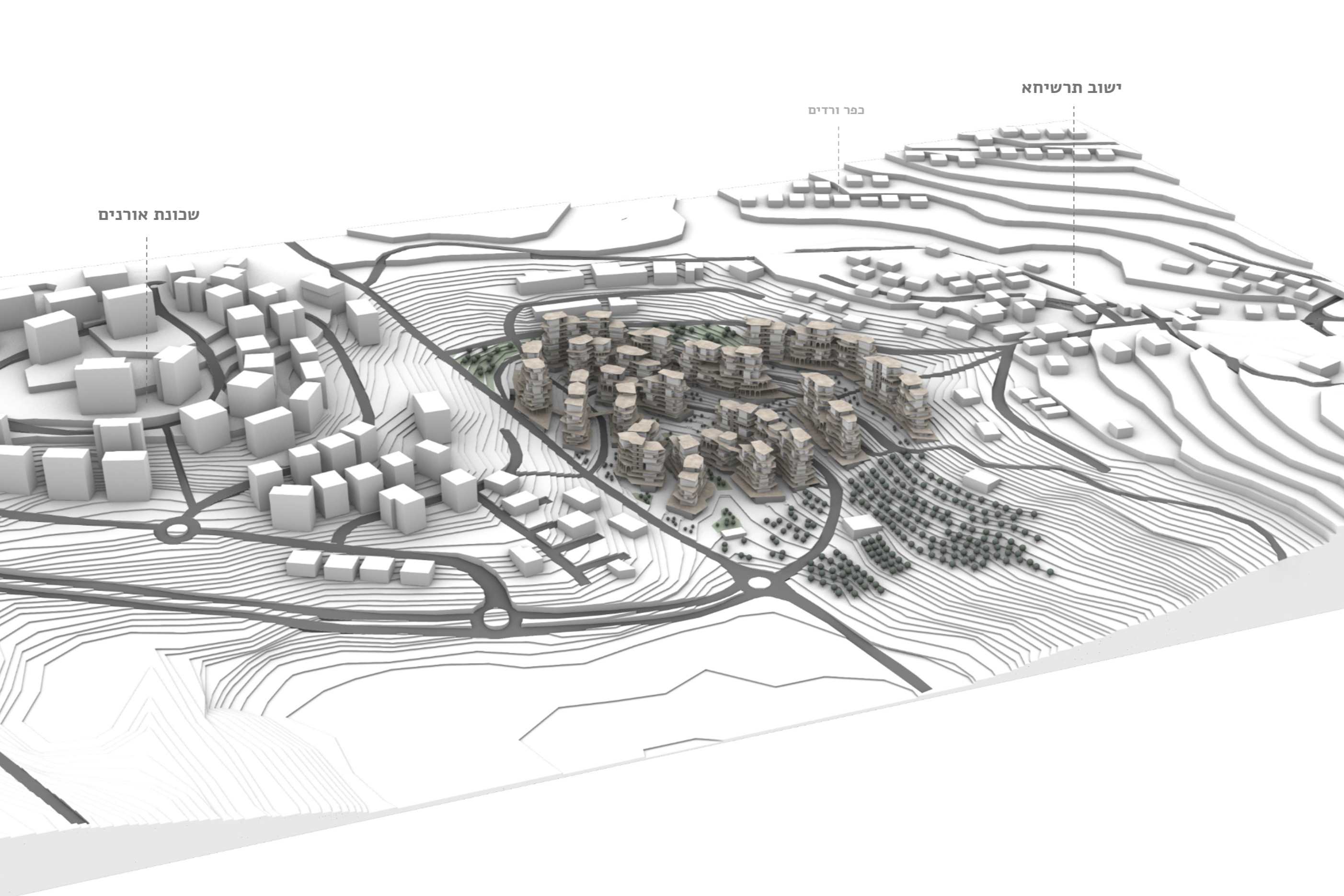
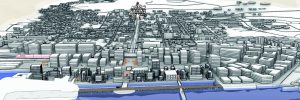
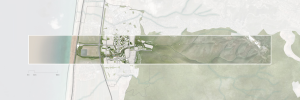
As a case study, the project focuses on Tarshiha in the Upper Galilee, a settlement that illustrates the tension between a historic rural fabric and the demands of modern urban expansion. By adapting the built environment to the site’s complex topography, the project develops a multi-level residential model that maintains cultural and social values while responding to contemporary urban needs.
In this way, the project proposes an alternative planning approach for the expansion of Arab settlements, integrating spatial sustainability with the preservation of cultural identity.