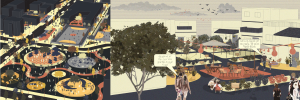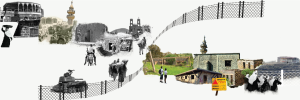


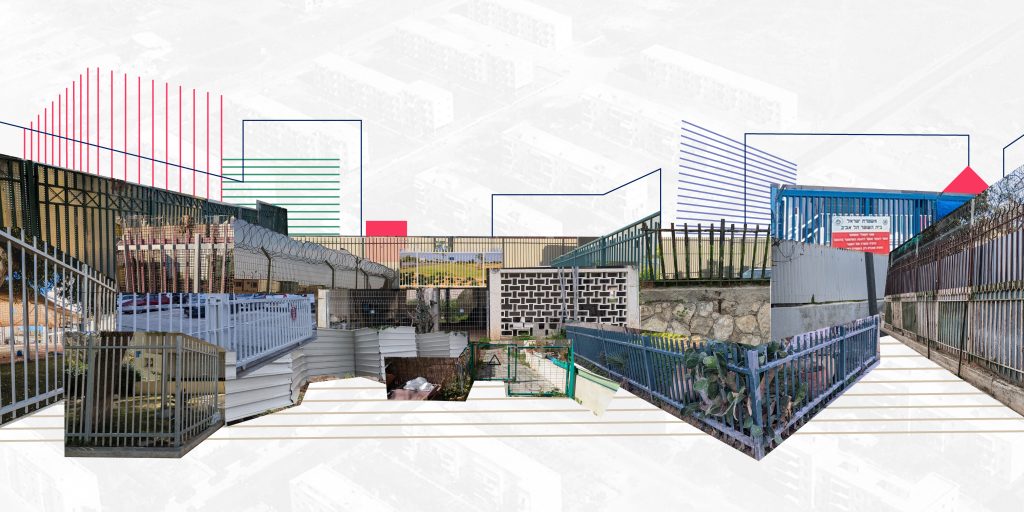
The Israeli city is full of fences. From the beginning of modern Jewish settlement in the country, fences have been linked to security, social, and economic issues that continue to shape the space to this day. Today, fences are often planned pragmatically or erected without any planning framework, with little attention to their visual and spatial impact. Recent planning trends aim to reduce the use of barriers and fences by opening up public institutions and making them more accessible, yet the proliferation of fences still significantly shapes the existing space.
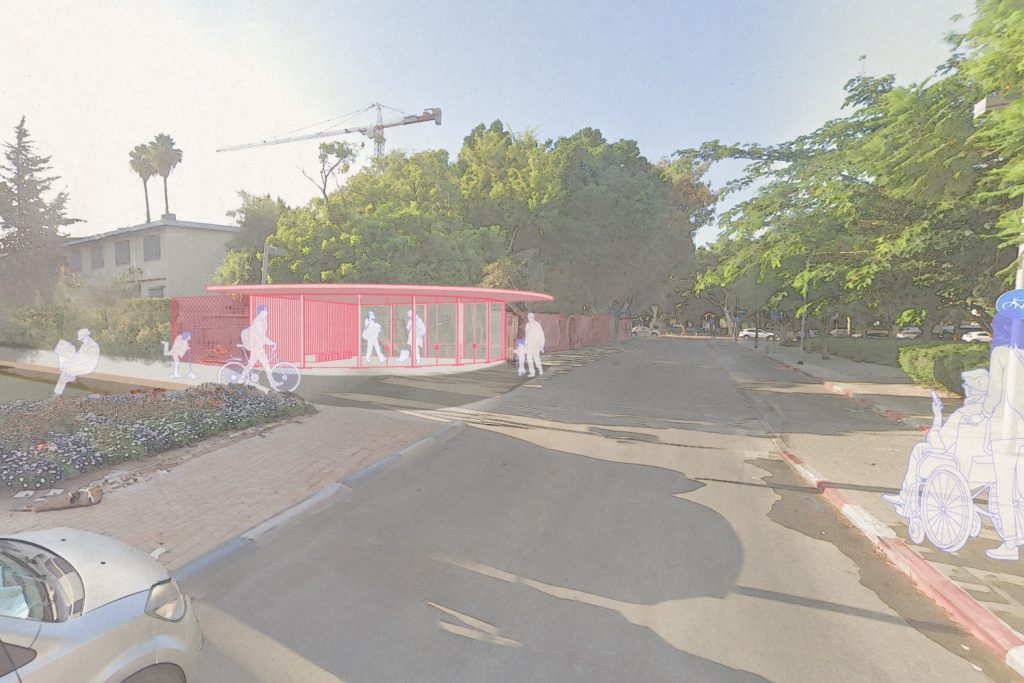
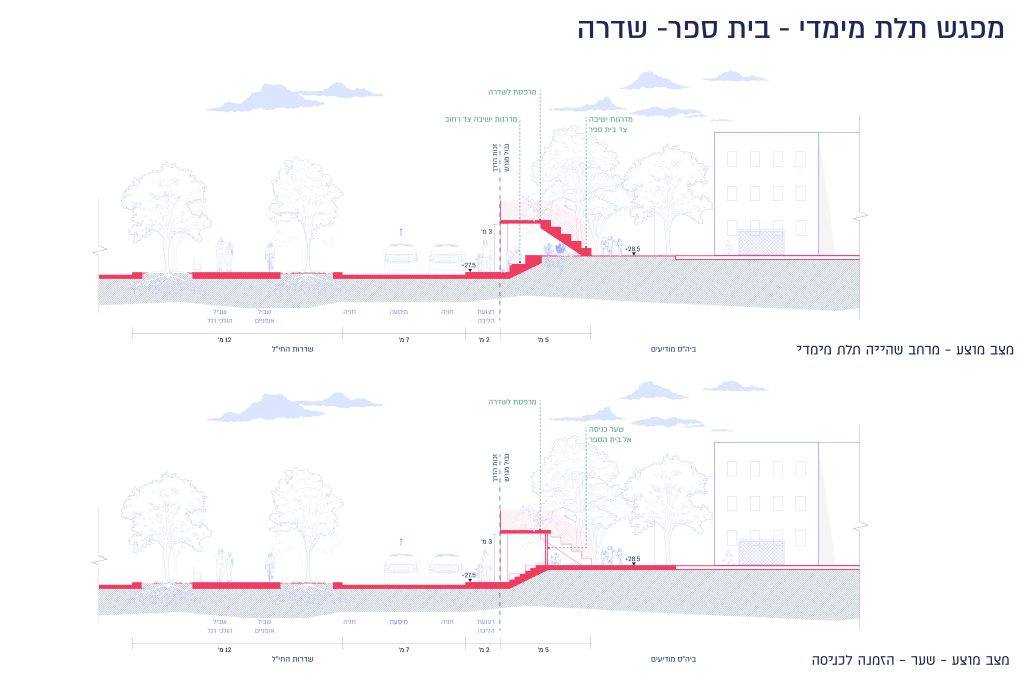
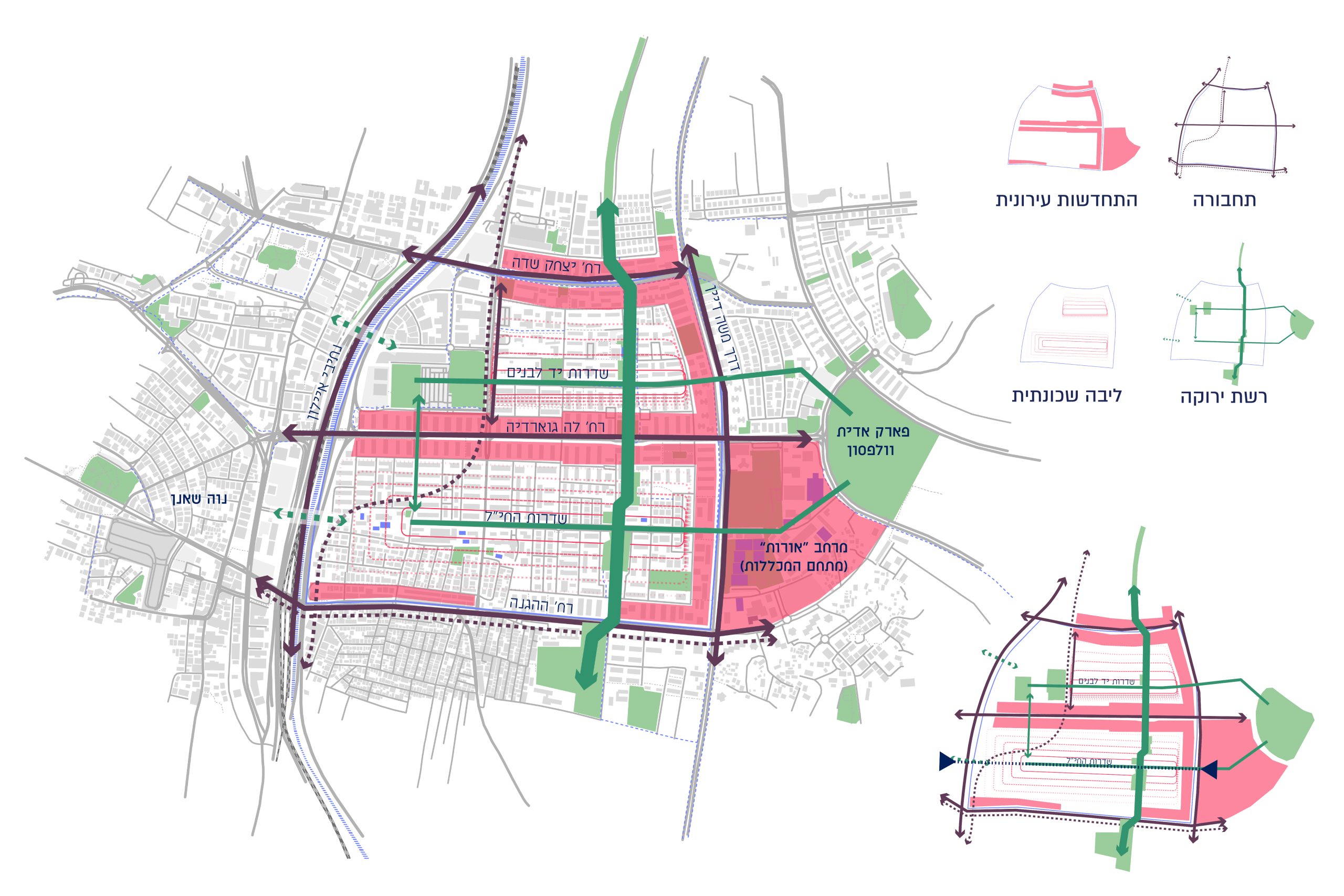
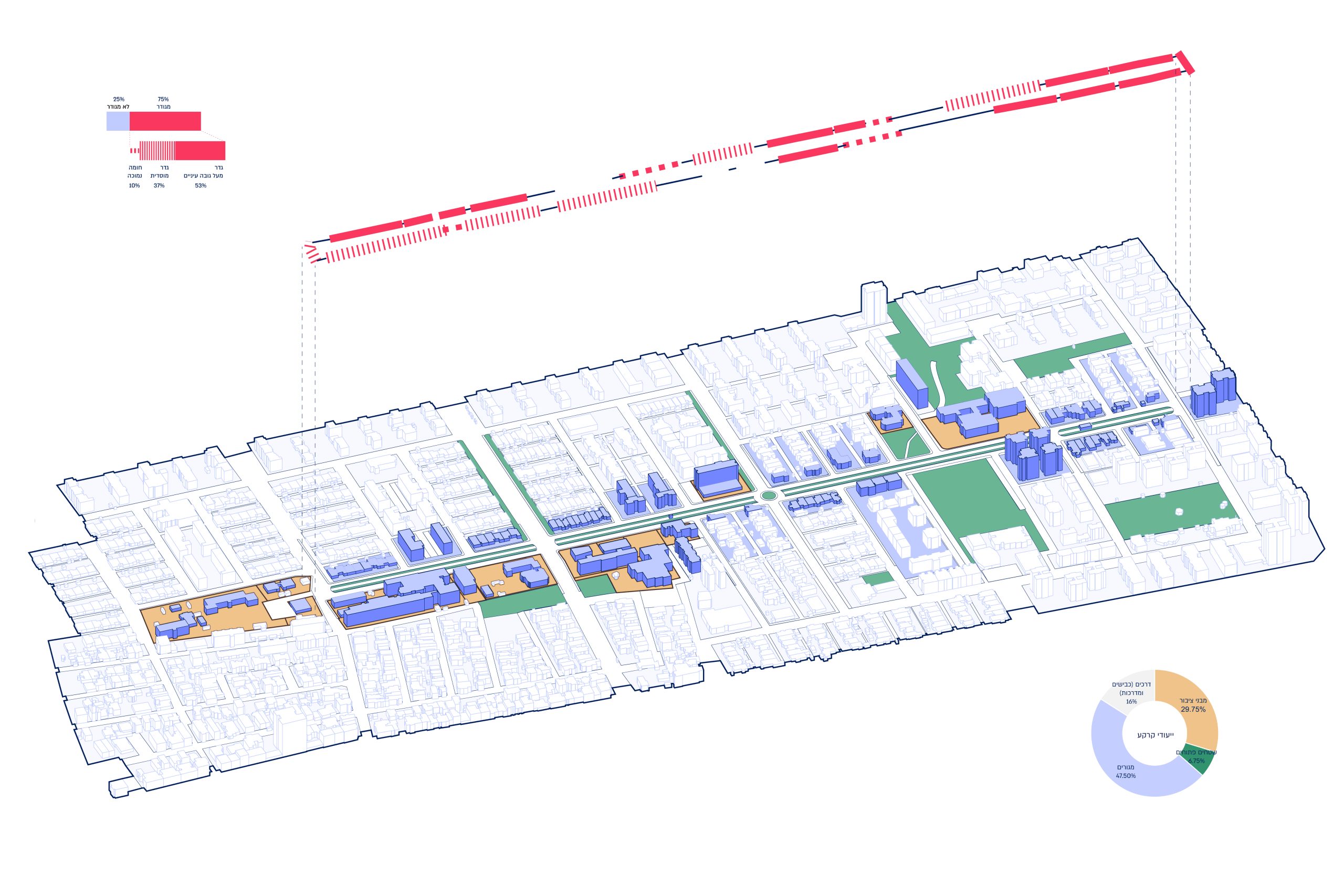
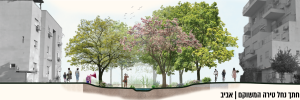
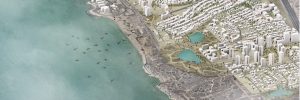
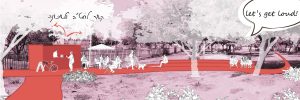
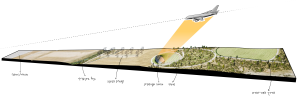
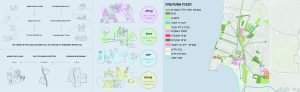
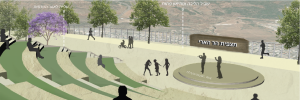
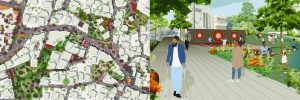
The project offers a new planning approach to fencing, treating it as an essential part of the urban landscape and seeking to transform the boundary between public institutions and public space from a barrier into an interface. The project examines HaHayil Boulevard in the Yad Eliyahu neighborhood in Tel Aviv, which was established in the 1940s based on the image of a “building sitting in an infinite open space.” Over the years, the neighborhood has undergone processes in which open spaces have been demarcated, and fences have become more numerous and higher.
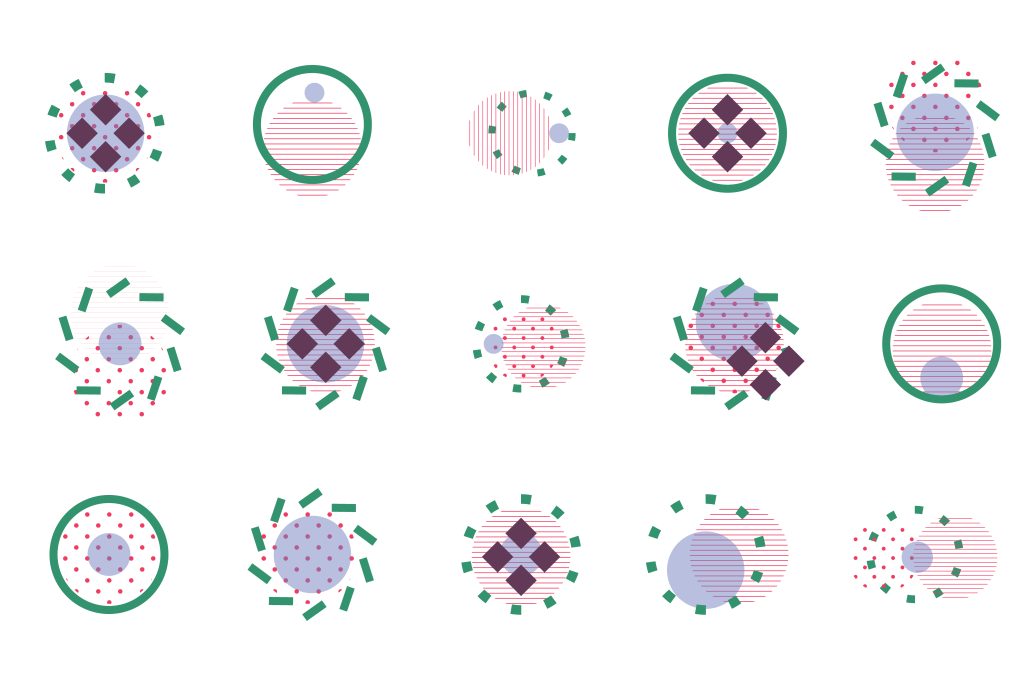
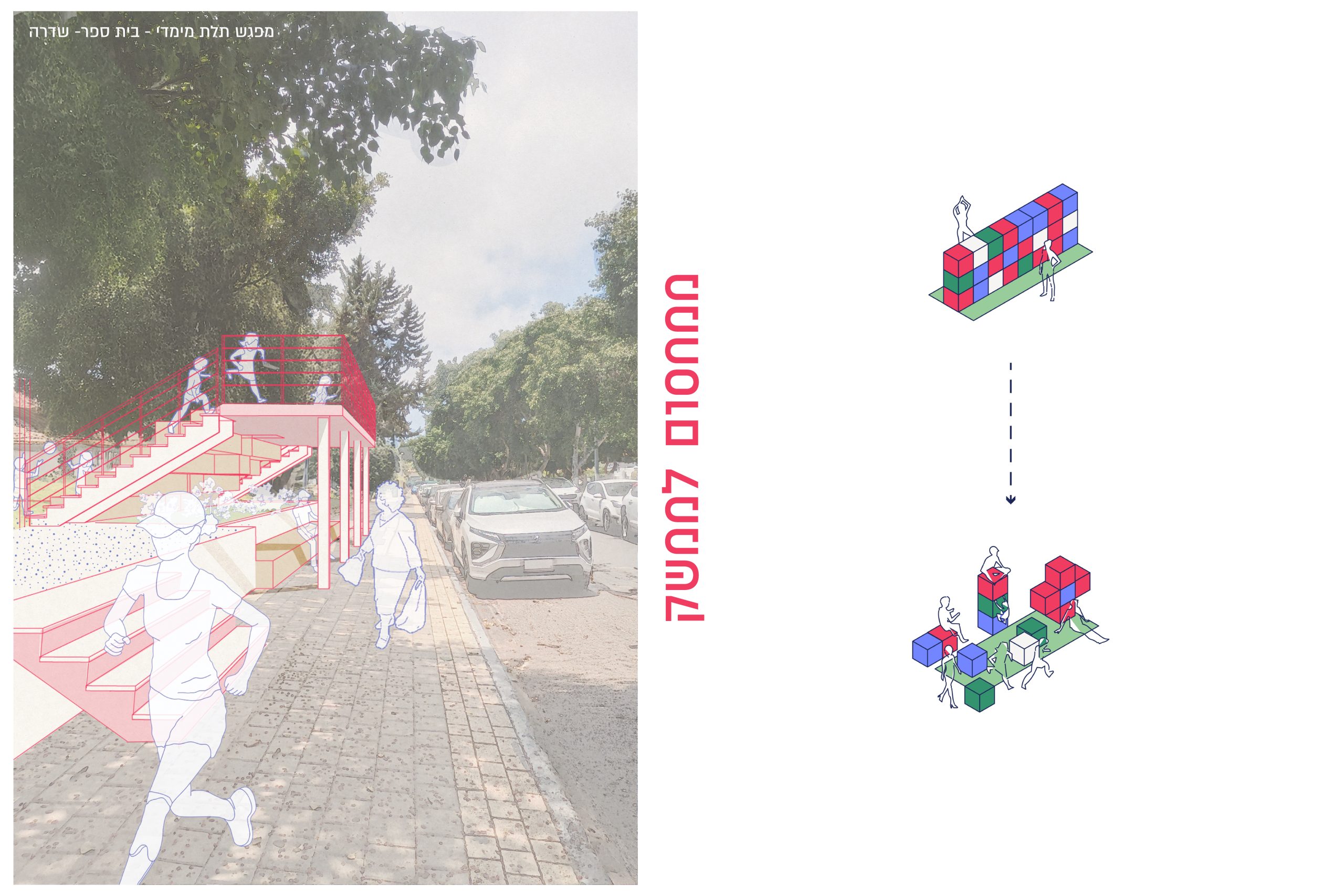
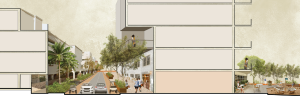
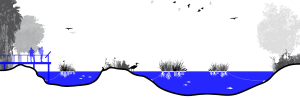
A set of tools for characterizing public institutions yields a unique set of design principles for each institution on the boulevard, enabling a living, vibrant, open meeting line to be planned while maintaining each institution’s needs.
In this way, I seek to reveal the potential for a major change that begins with a small detail and to redefine the role of the fence in the city: not only as a dividing line but also as an interface, an interactive space that connects people, communities, and environments.