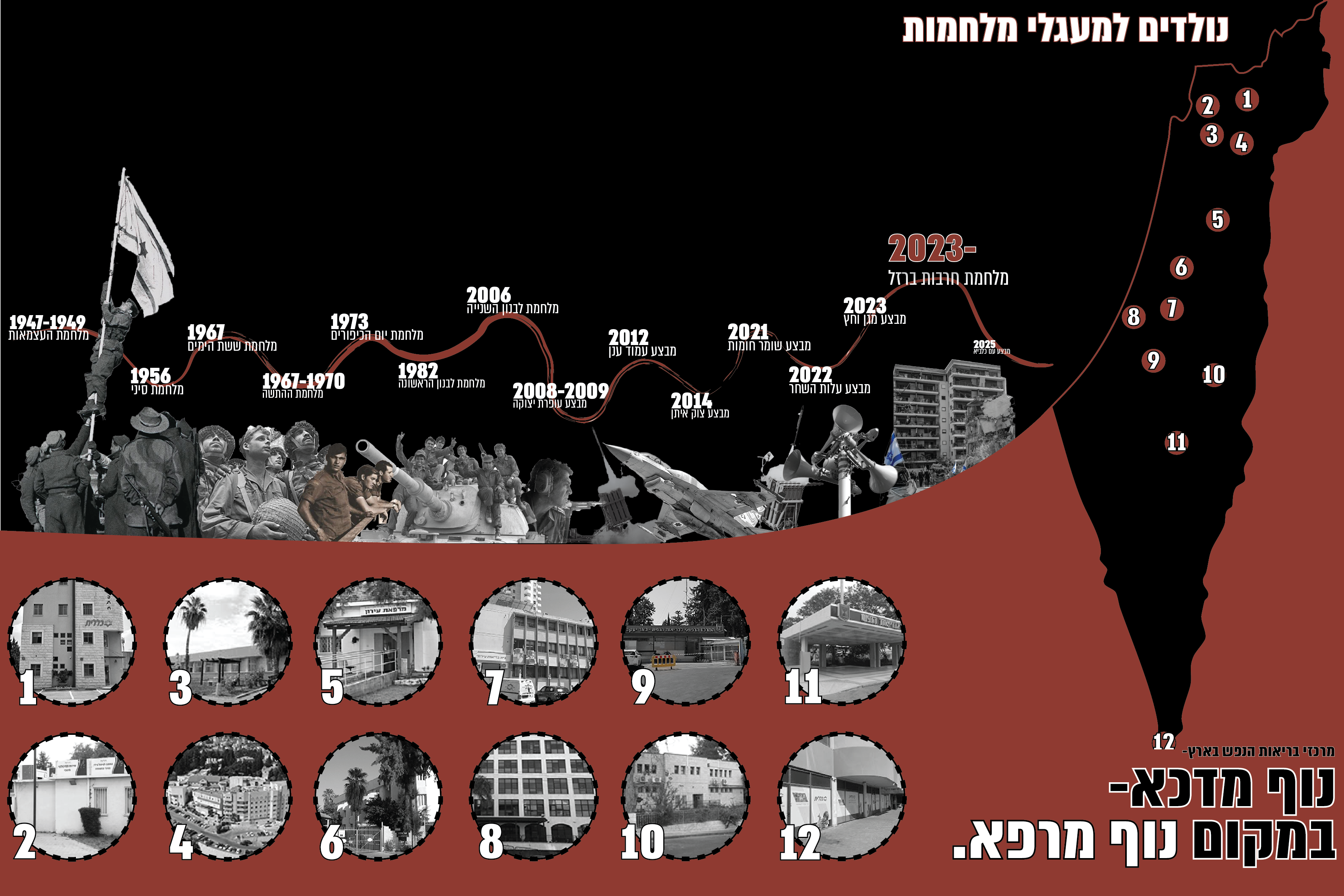


Post-traumatic stress disorder is one of the most significant phenomena of recent decades, with estimates suggesting that nearly half a million Israelis are at risk of developing the disorder due to war-related or personal events. This represents a profound crisis that calls for a rethinking of the boundaries of traditional treatment and an expansion into additional domains that can support healing processes. Landscape architecture plays an essential role in addressing such national challenges, serving as an integrative bridge between people and their environment. Research shows that space, with all its physical and sensory attributes, can serve as a powerful tool for alleviating trauma symptoms and reinforcing both individual and collective recovery processes. The integration of environmental rehabilitation with psychological healing is not only possible but fundamental to effective therapeutic approaches.
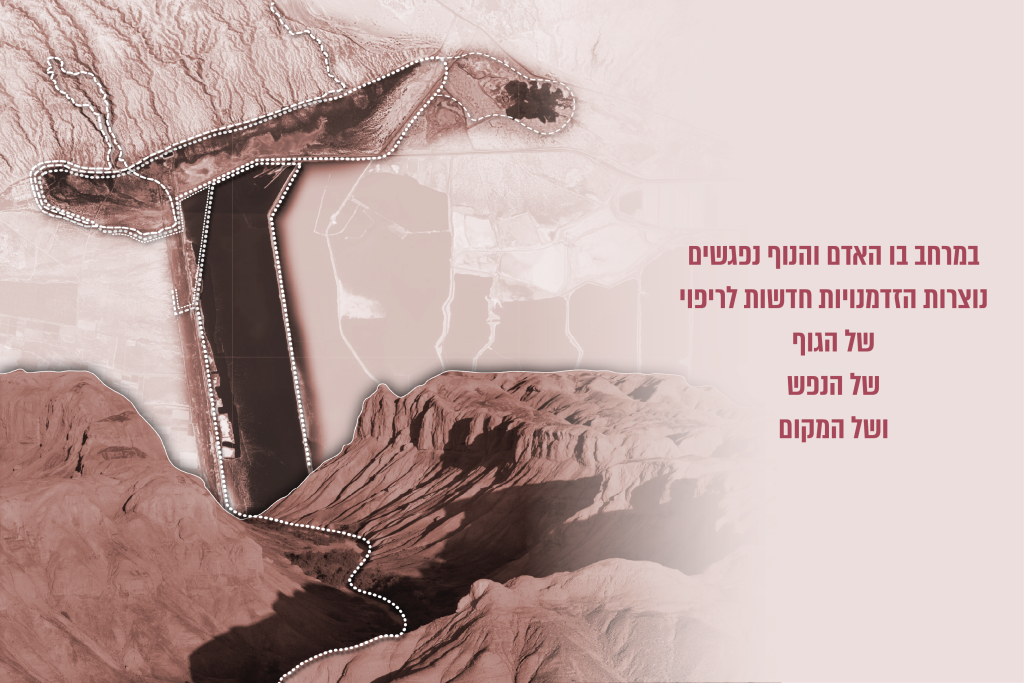
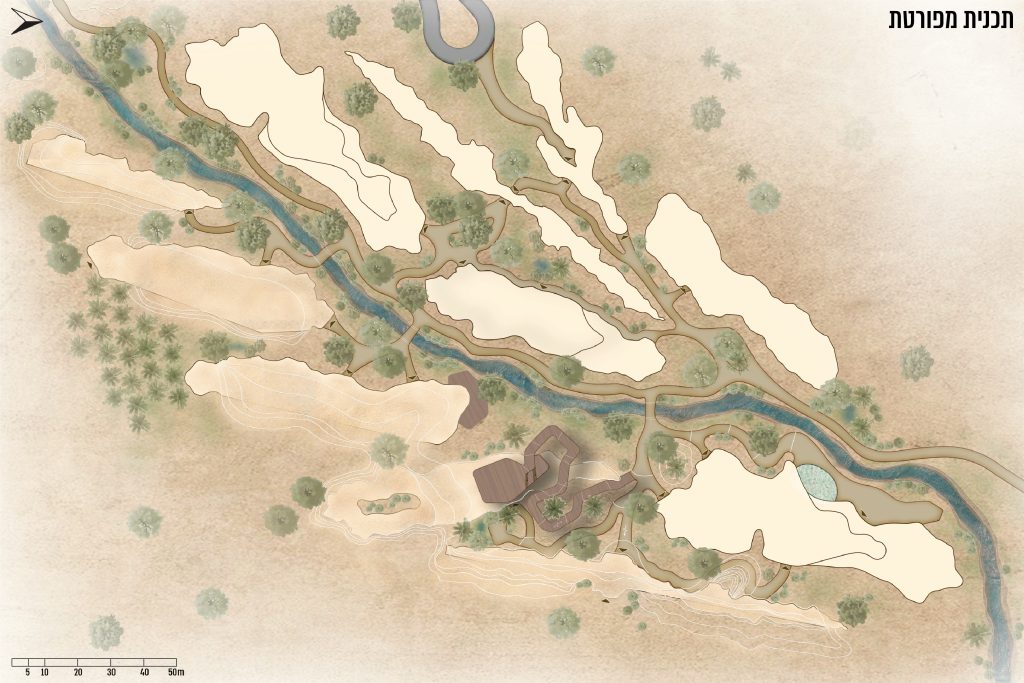
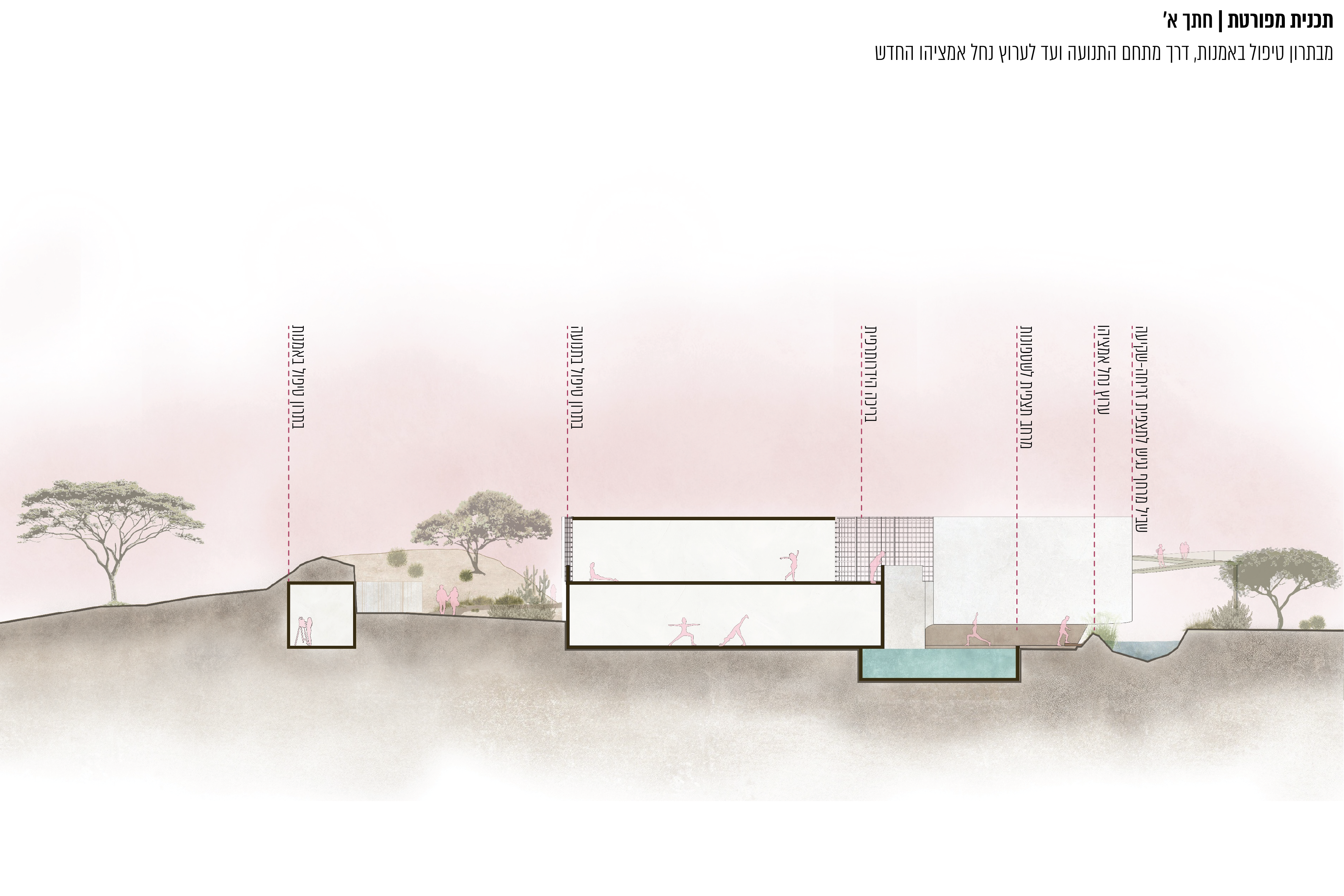
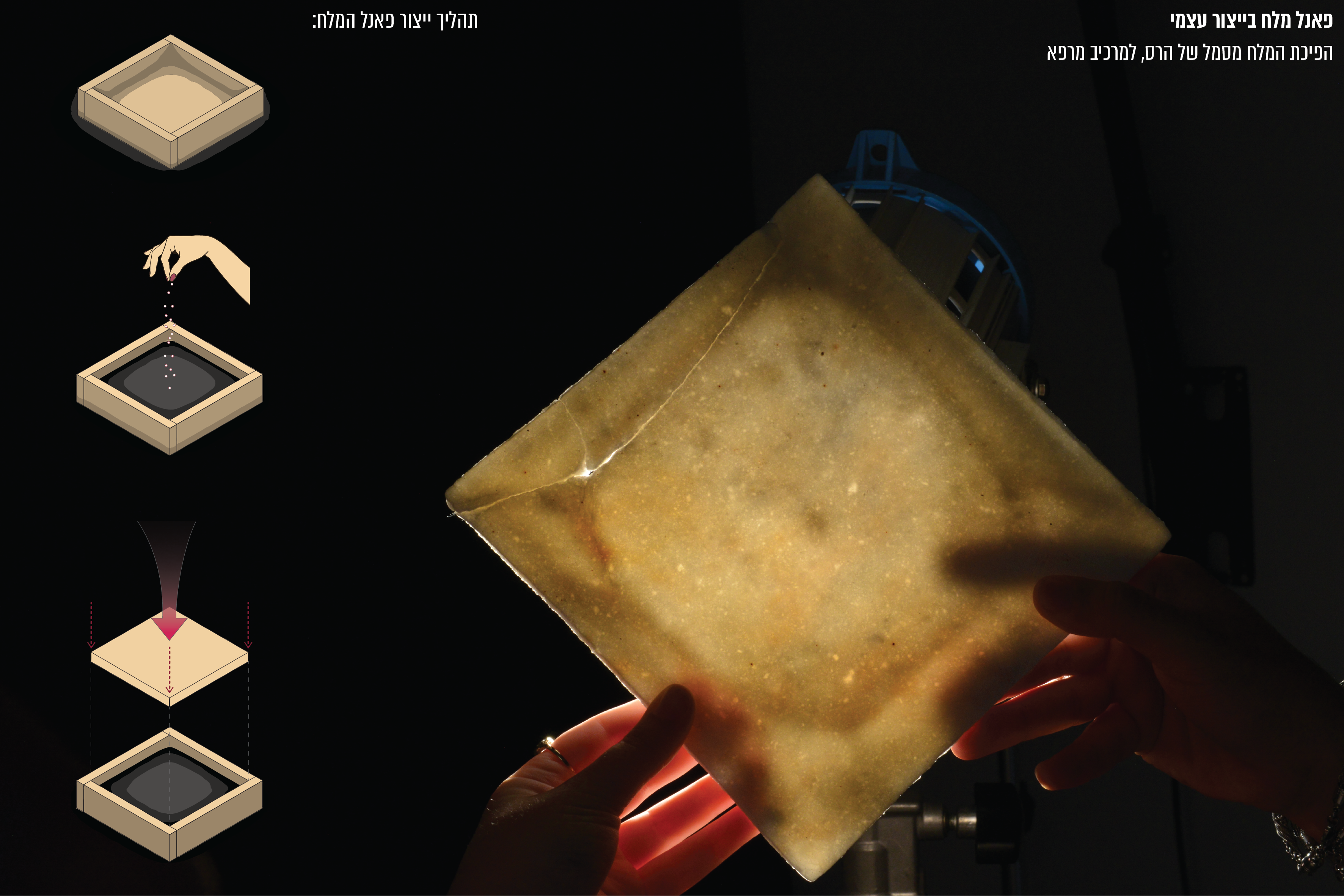
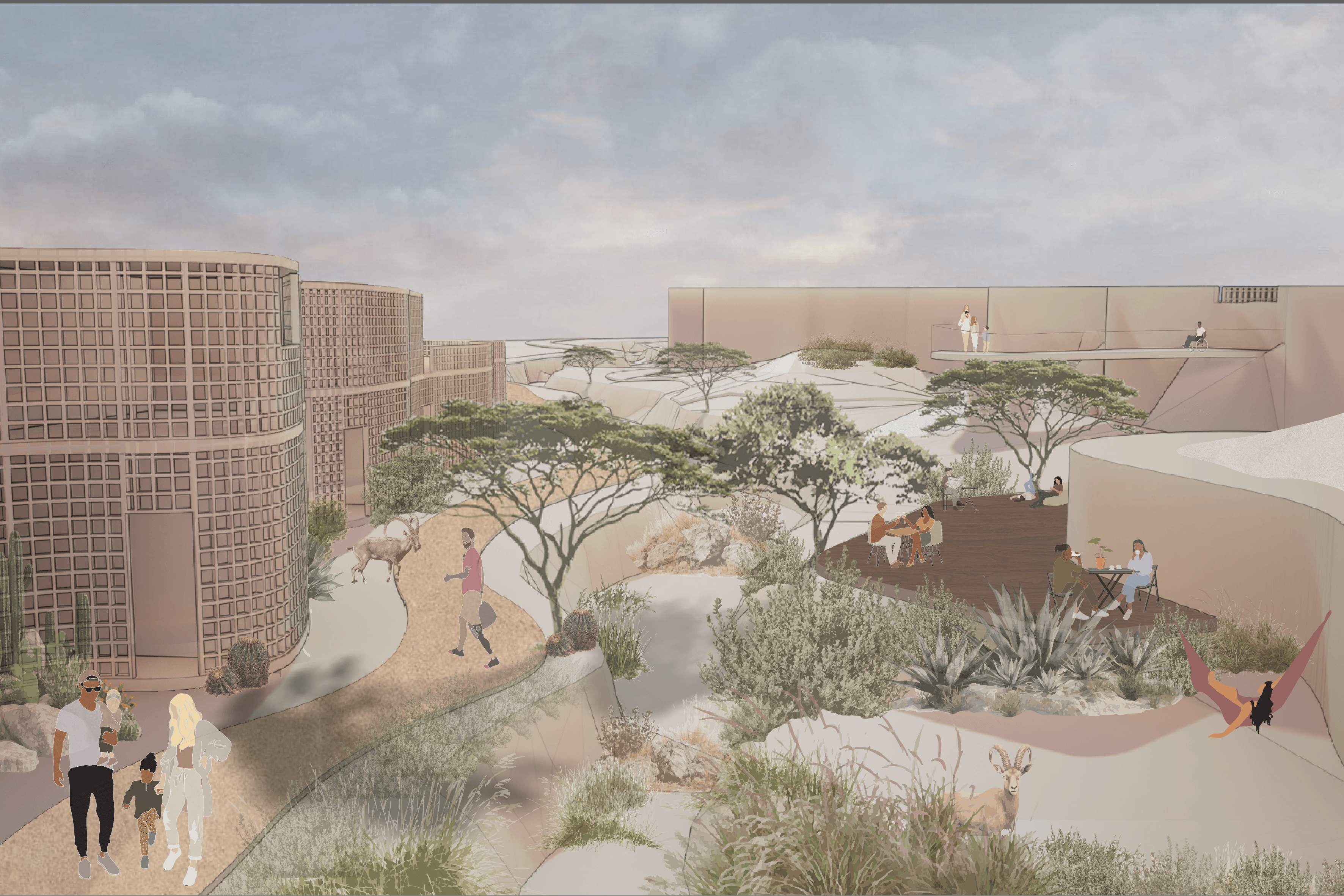
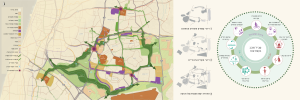
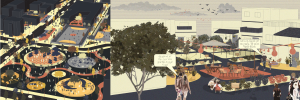
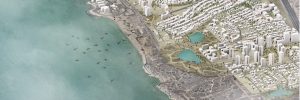
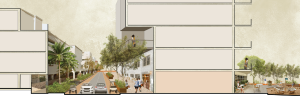
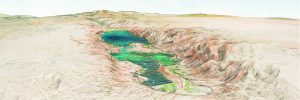
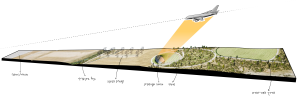
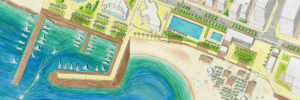
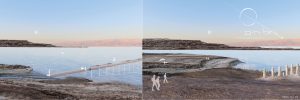
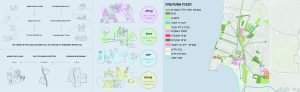
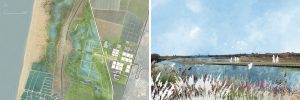
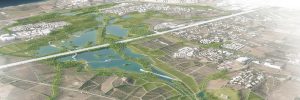
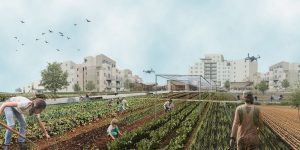
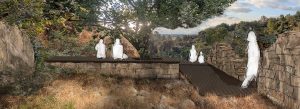
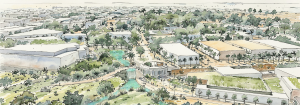
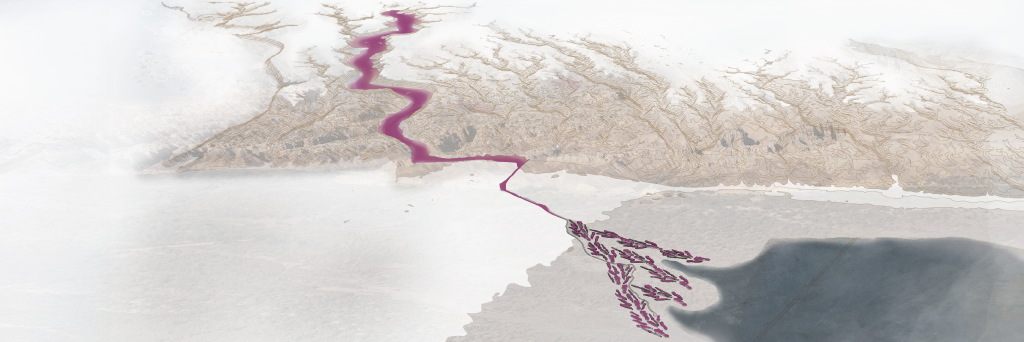
The project proposes a holistic, central rehabilitation village in the Sdom Salt Flats – a disturbed region in need of restoration and renewal, yet rich in diverse spaces with therapeutic potential. The village will respond to both physical and sensory layers and will be based on principles of adaptability and deep connection to place and its material components. As a key design and conceptual element, it will use a unique, local material: salt. The village’s structures and landscape elements will be constructed from this abundant natural resource, using technologies that enable its processing and application in architecture. In doing so, salt will transform from a symbol of destruction into a medium of healing.
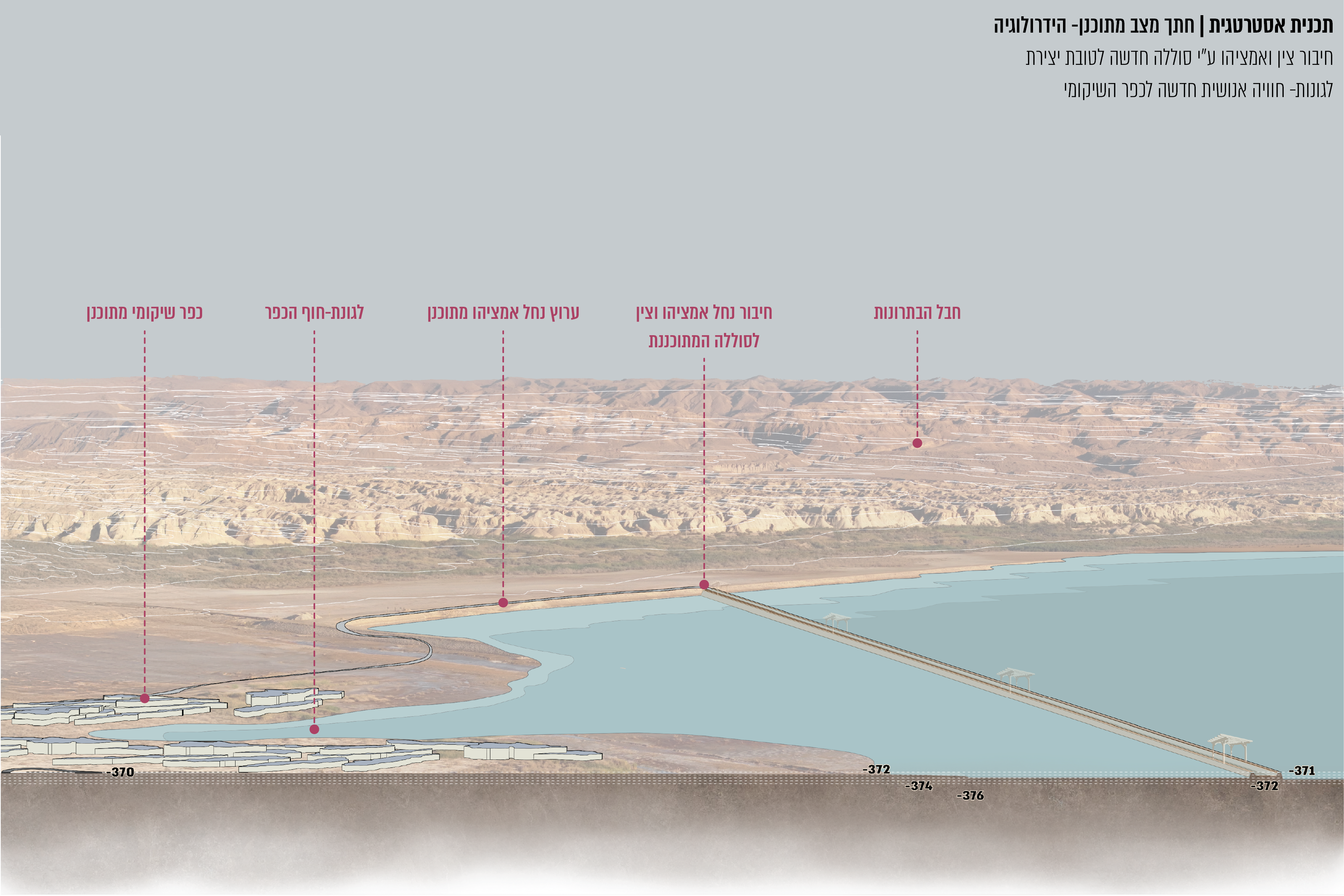
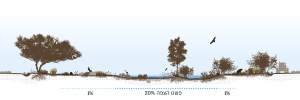
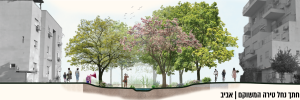
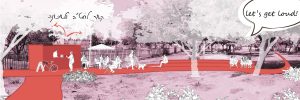
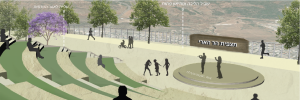
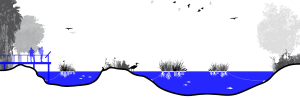
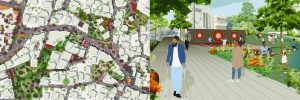
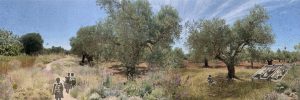
The planning strategy will focus on defining spatial components proven to support post-traumatic recovery, such as access to water sources and open views, alongside enclosed and intimate zones, interconnected through carefully designed pathways. These pathways will offer a range of spatial situations tailored to the therapeutic needs of different populations. In addition, the project will propose an environmental rehabilitation policy for the southern evaporation ponds, including measures to strengthen industrial oversight, connect tourism to the landscape, and preserve sensitive ecosystems.
By restoring the natural landscape alongside the recovery of its inhabitants, the project seeks to create a renewed relationship between people and nature – one that forms the foundation for personal and social healing, transforming the Dead Sea into a new and unique center for recovery and renewal.