

The Jordan River is one of the most renowned rivers in the world, a site of profound religious and cultural significance for millions of people. Throughout history, however, it has undergone dramatic transformations in the use of its waters, leading to changes in the river’s structure, flow, and quality. The 1994 peace treaty between Israel and Jordan marked a major breakthrough, including a detailed protocol on water allocation and cooperation. Israel is committed to supplying significant quantities of water to Jordan, yet implementing many other agreements has been hampered by political, economic, and environmental challenges.
Nearly three decades after the treaty’s signing, and despite numerous restoration initiatives, the Jordan River remains in severe decline. Excessive abstraction, effluent discharge, and large-scale diversions have reduced its natural flow by nearly 98%, leaving its water increasingly saline and polluted. This degradation has had devastating impacts on riparian habitats, vegetation, and wildlife that once characterized the riverine ecosystem. Although the river’s importance is widely acknowledged, cooperation between riparian states has remained limited, and the implementation of restoration projects continues to encounter planning, financial, and security-related challenges. In the absence of coordinated management, responsibility for recovery remains unclear, and a once vital artery of the Middle East has been reduced to a narrow, stagnant channel carrying sewage and saline effluents from the Sea of Galilee.
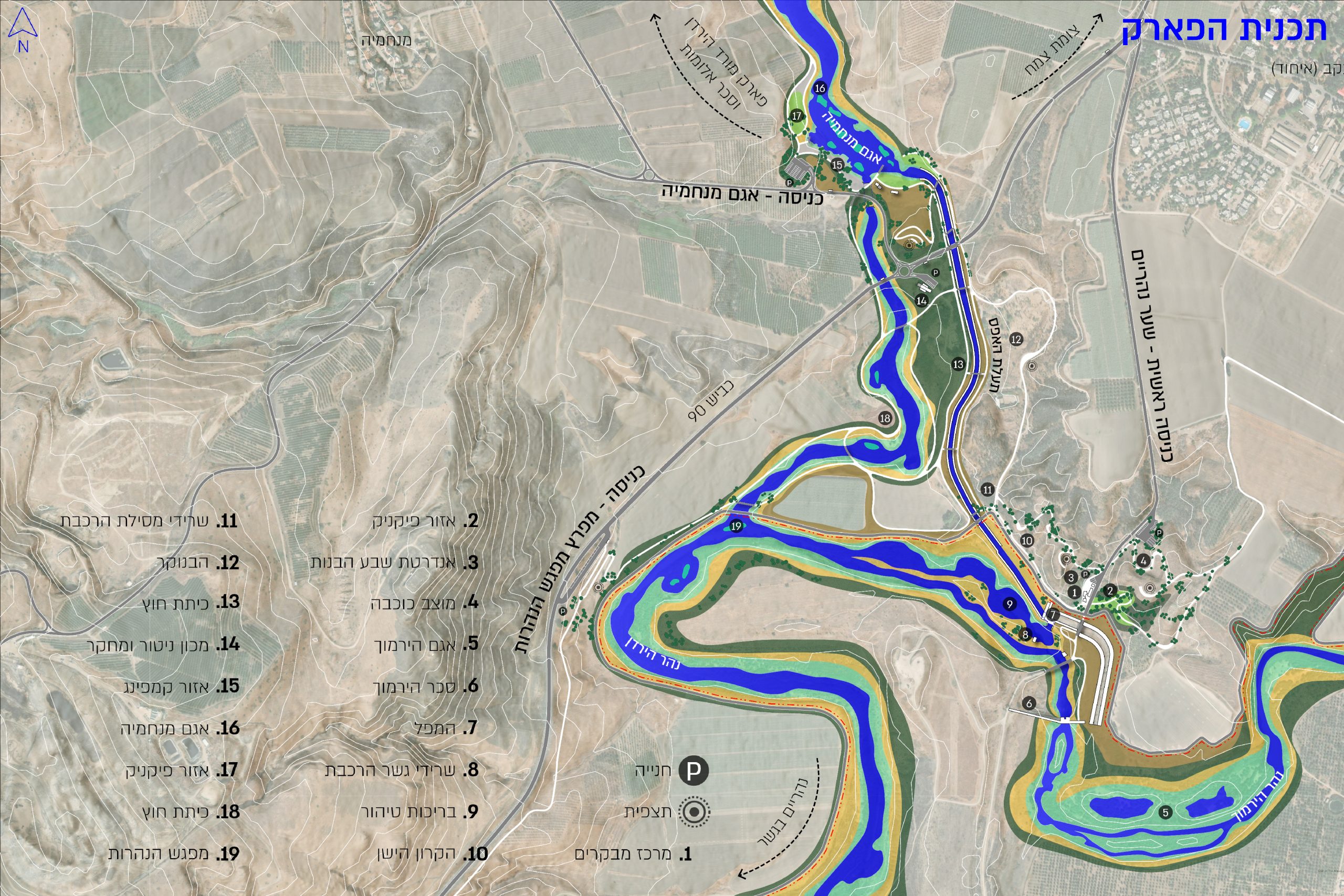
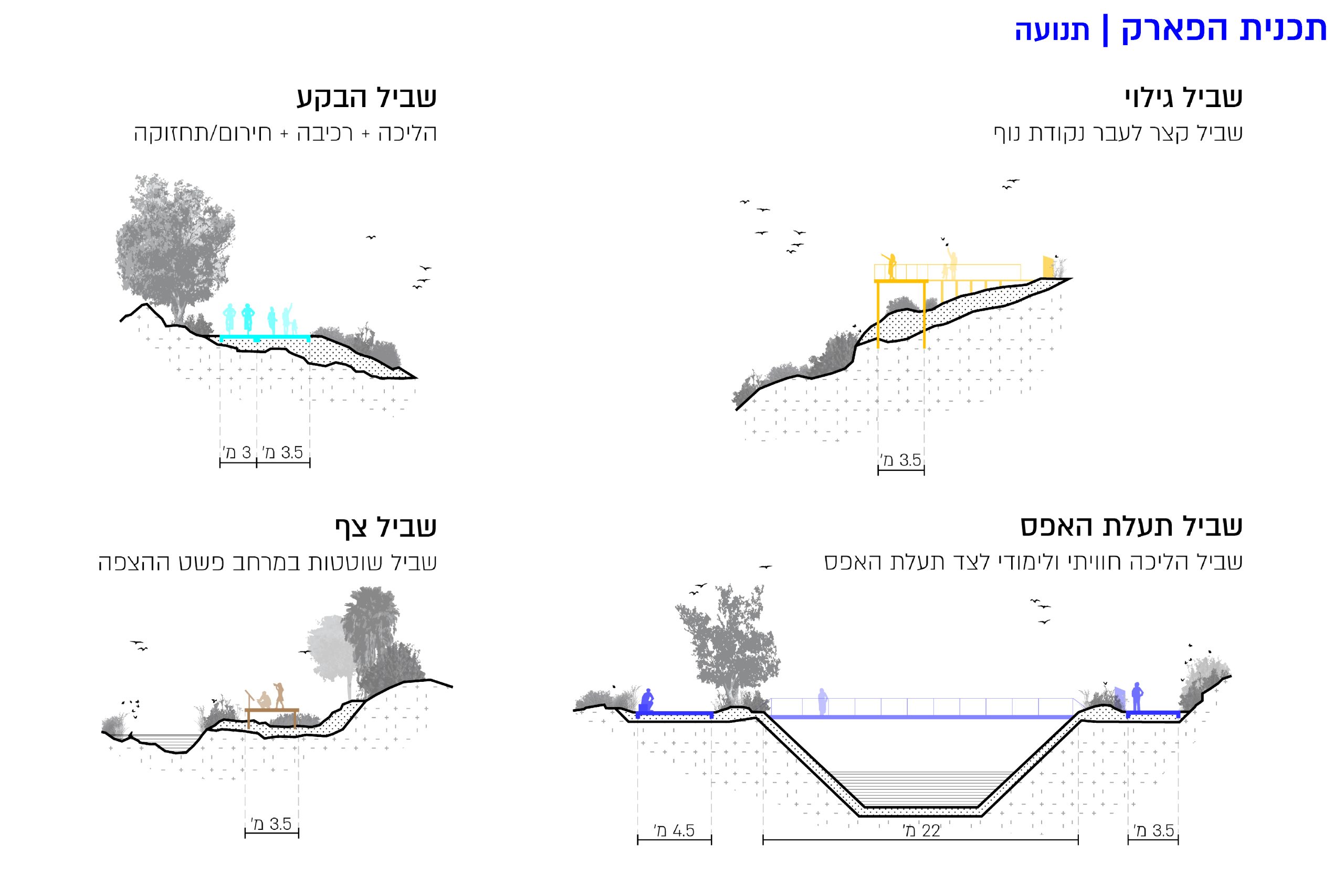
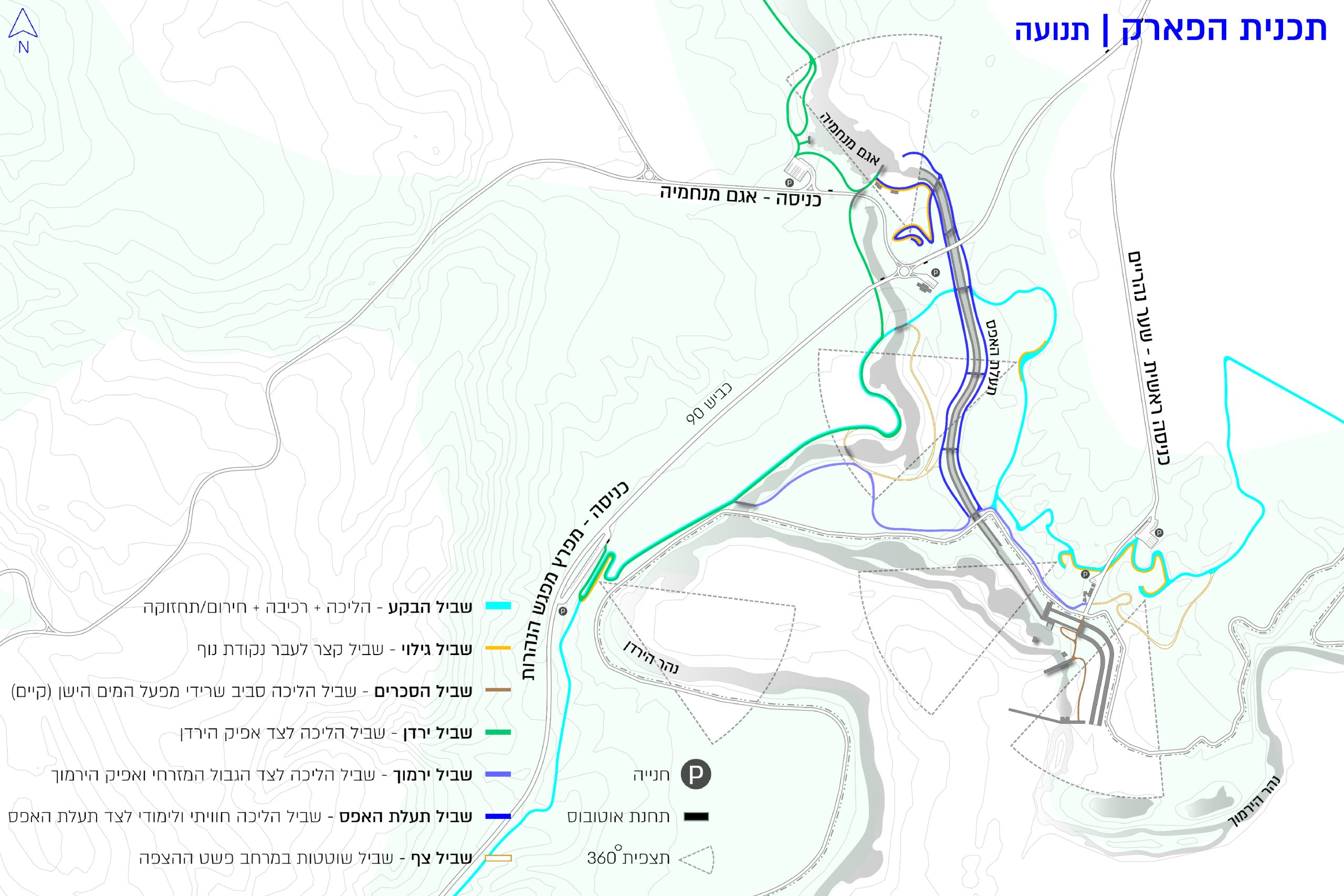
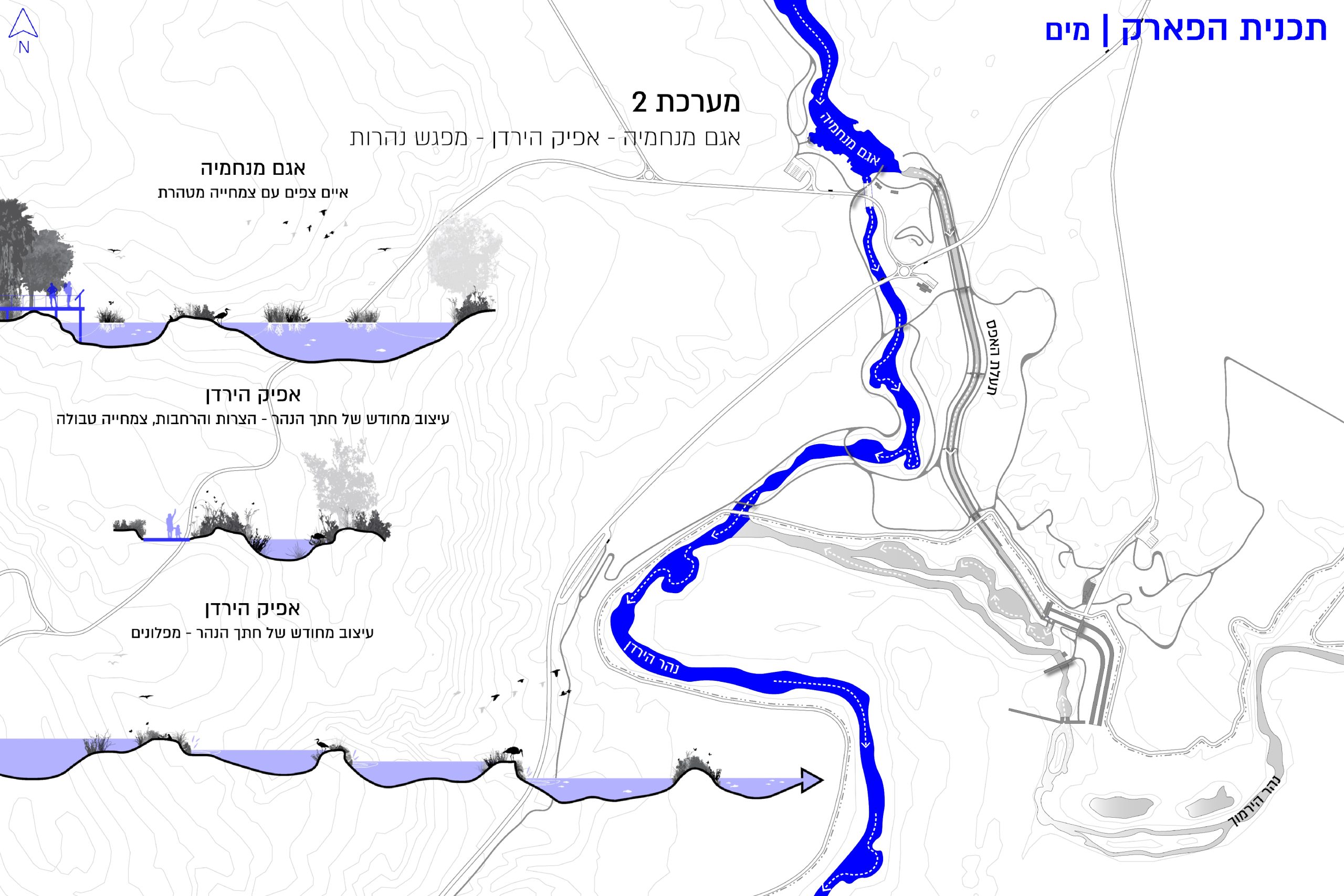
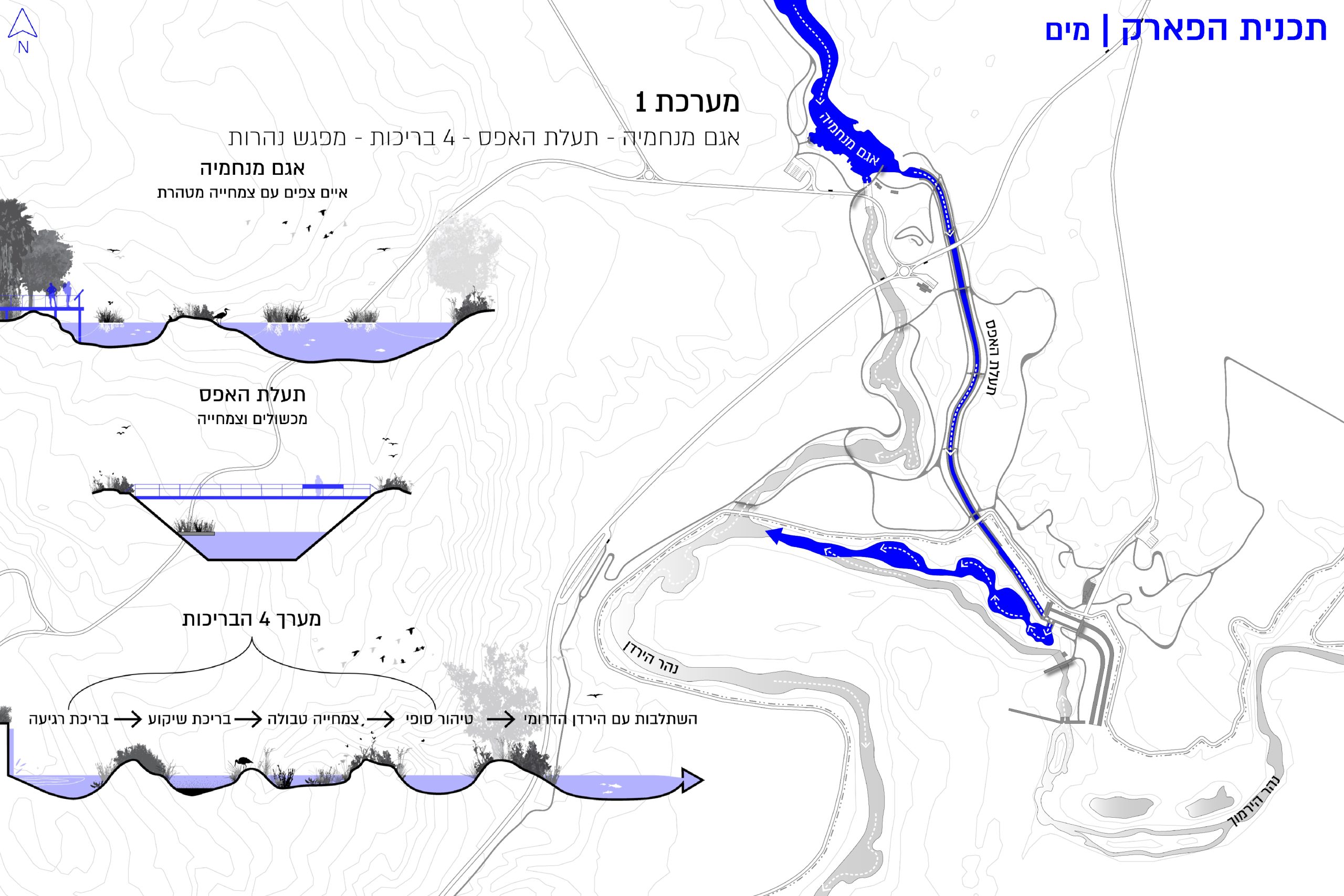
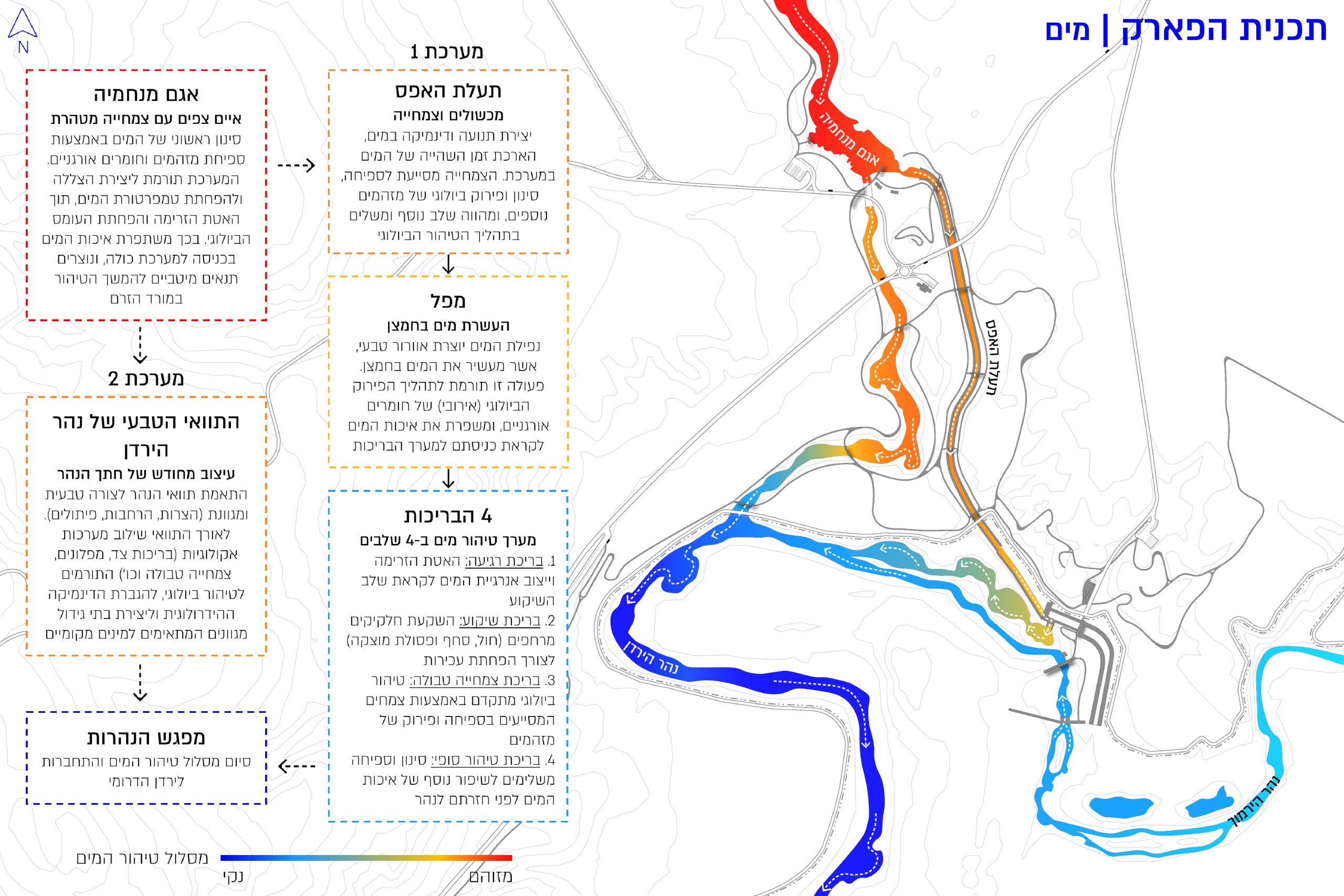
This project aspires to restore the Jordan River to its historic role as a symbol of life, movement, and regional cooperation. It frames the river’s restoration as both an environmental imperative and a diplomatic opportunity – revitalizing bilateral relations with Jordan while laying the foundation for broader cross-border collaboration. The initiative focuses on the southern reach of the river and will be implemented in two phases: first, restoring natural flow, eliminating pollution sources, and rehabilitating ecological and landscape systems; and second, developing nature-, heritage-, and tourism-based hubs intended to serve as anchors of regional connectivity. These interventions extend beyond environmental objectives alone, constituting a form of quiet diplomacy designed to catalyze broader processes, strengthen regional ties, and redefine the relationship between the river and the landscapes it traverses.