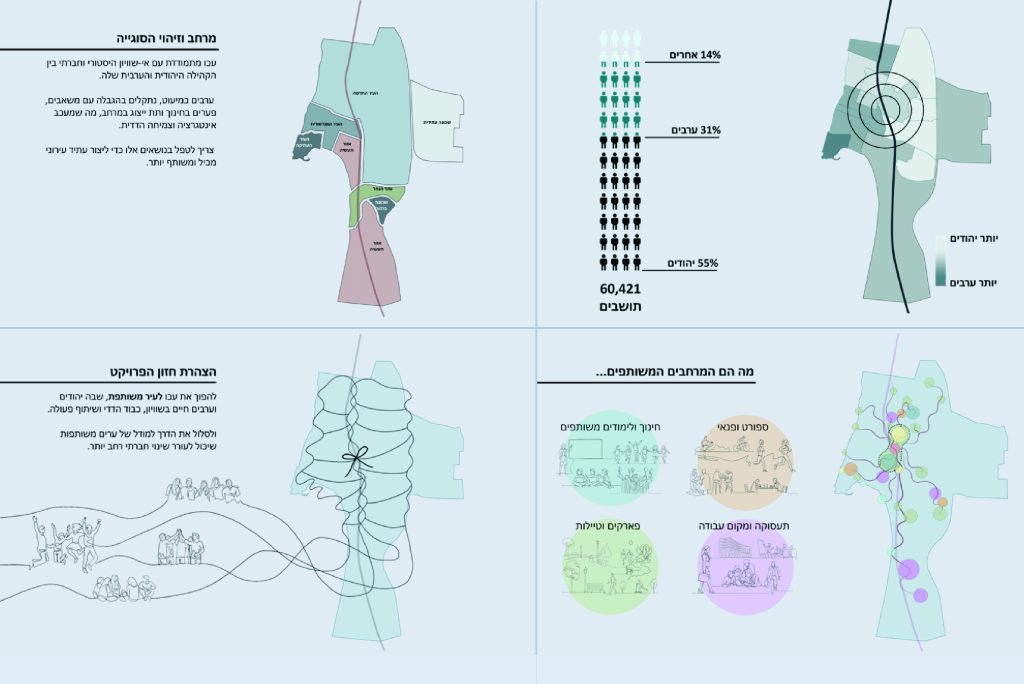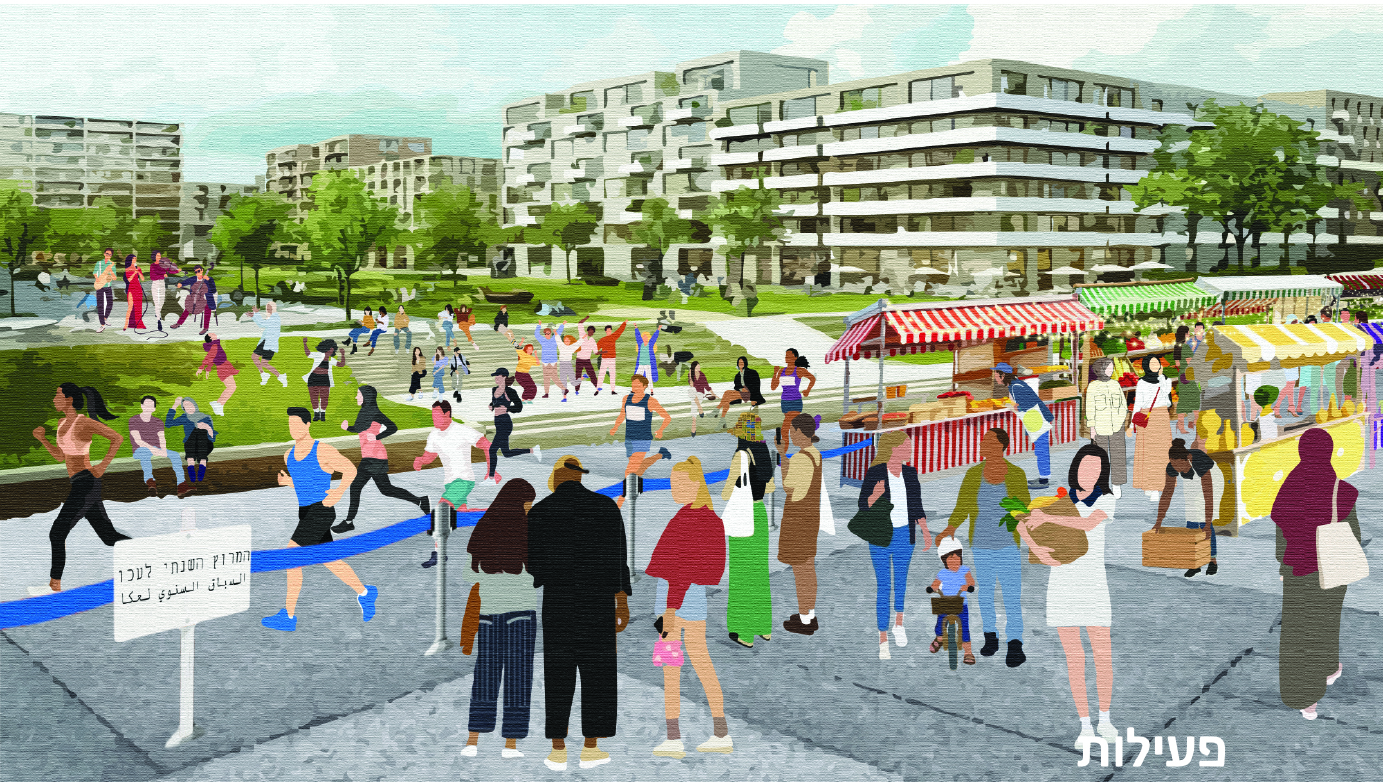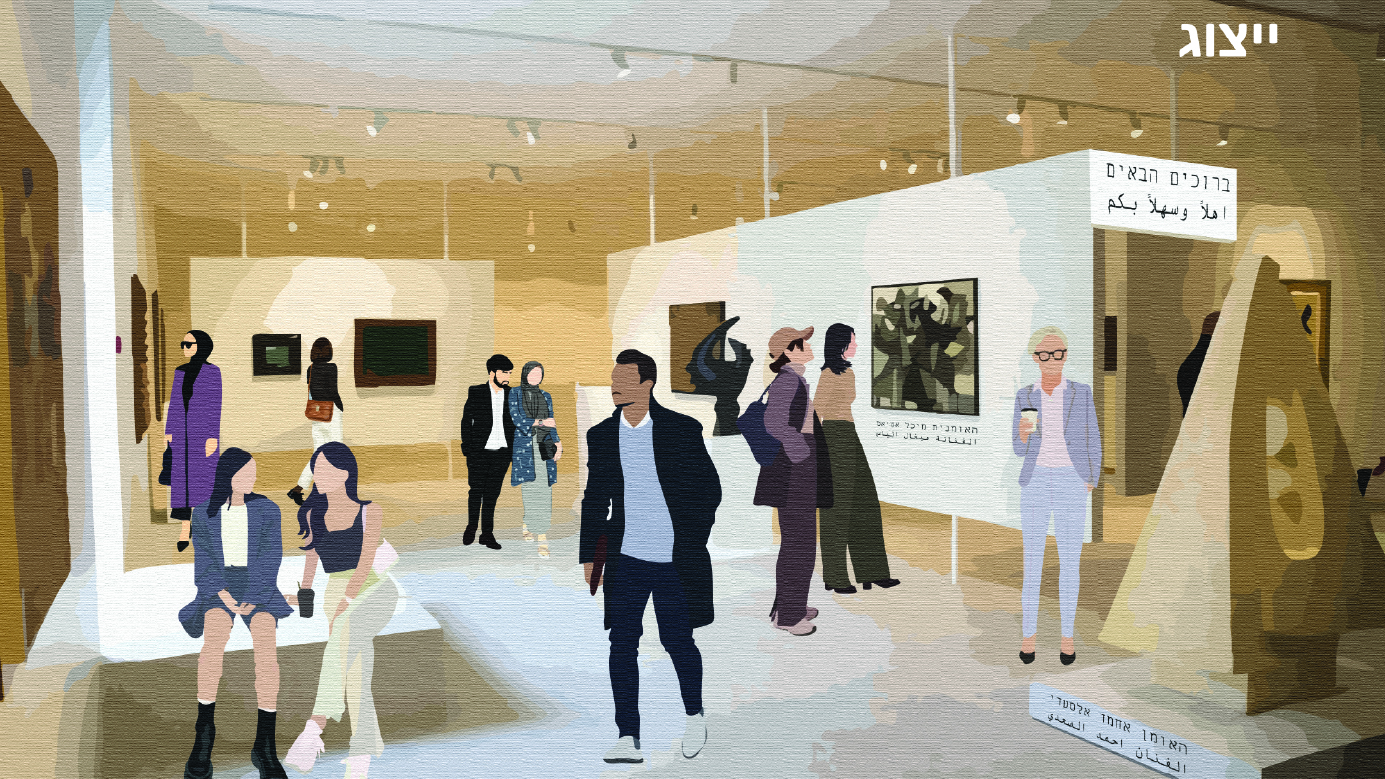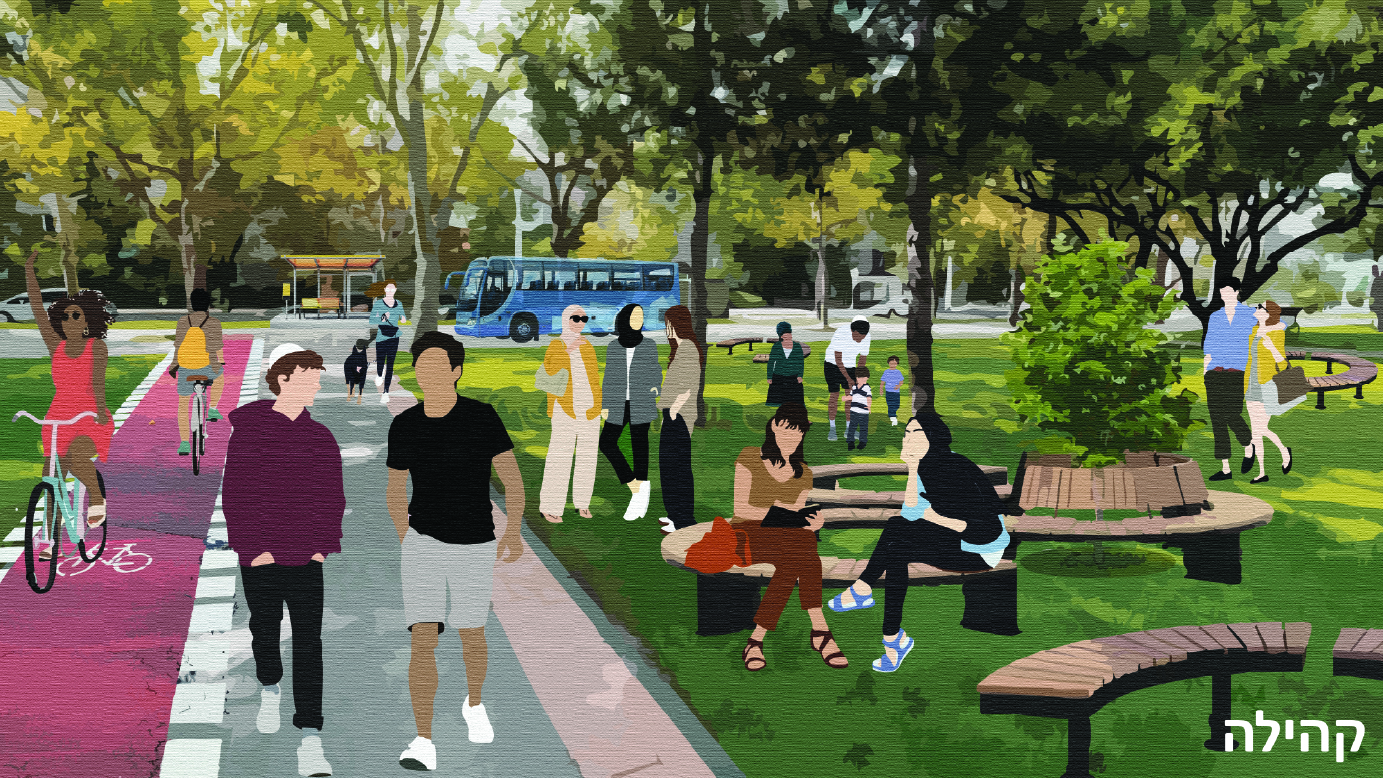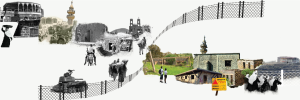

Akko, as a mixed city, faces historical and social inequality between its Jewish and Arab communities. The Arab community, as a minority, faces systemic marginalization, limited access to resources, gaps in education and employment, and underrepresentation in identity, such as the lack of the Arabic language on most signs in the city’s parks, which deepens social tensions. These gaps hinder the potential for true integration and mutual growth. The city continues to develop with an emphasis on urban renewal and expansion, but there is no consideration of being a mixed city containing two communities with such deep ethno-class gaps. To fulfill Akko’s potential as a city with a high-quality, sustainable quality of life, the city must address these issues to create a more inclusive, shared future. If the connection between the two communities is not addressed, the gap will continue to grow. Instead of remaining a secondary society, the Arab community should be treated as an essential part of Akko’s population.
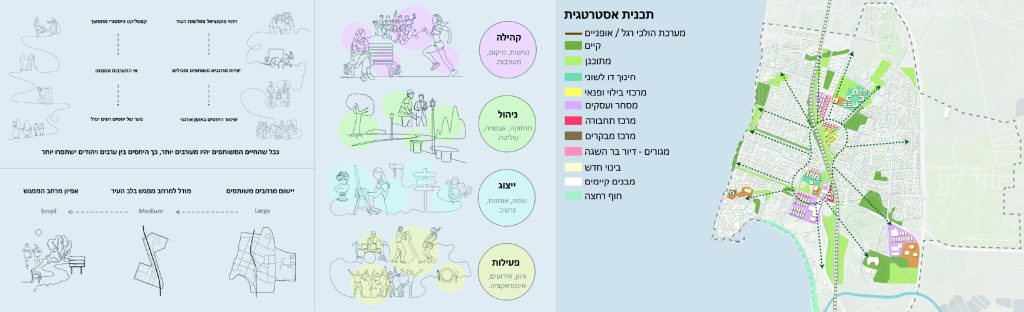
The project aims to challenge current political dynamics by demonstrating the transformative potential of Jewish-Arab partnerships to imagine Akko as a shared city where Jews and Arabs live in equality, mutual respect, and cooperation. The project aims to reduce social gaps, improve relations between the two communities, and strengthen the status of the Arab community. By planning shared spaces, enriching the city with points that allow for encounter, strengthening the infrastructure and transportation system to create connection rather than disconnection, and representing the Arab community in the public sphere more as the presence of the Arab language and heritage. To pave the way for a model of shared cities that can inspire broader social change.
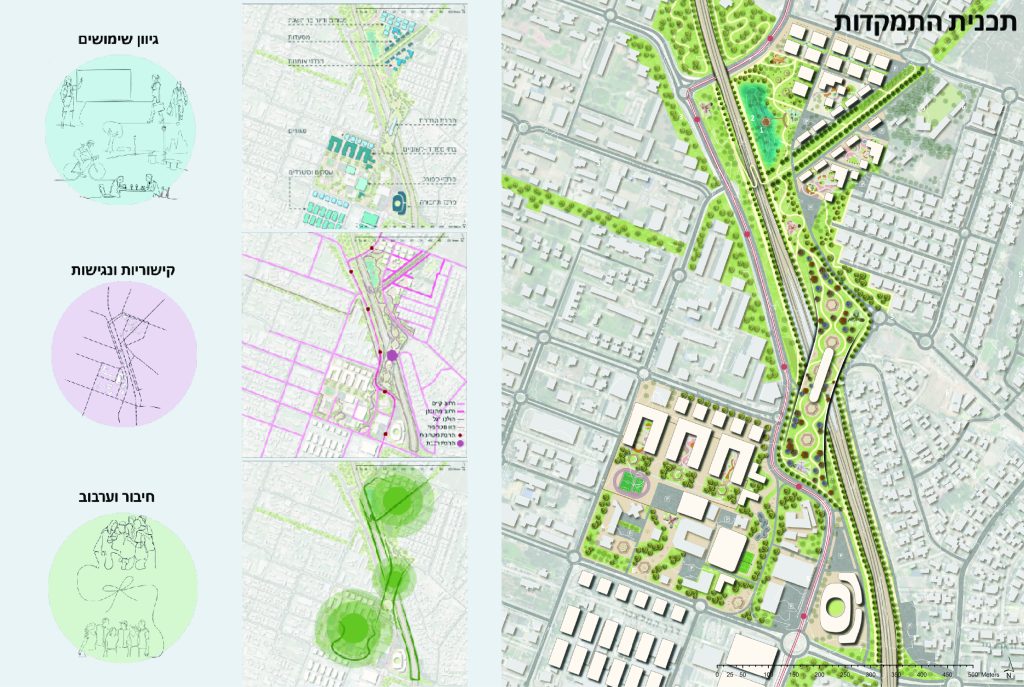
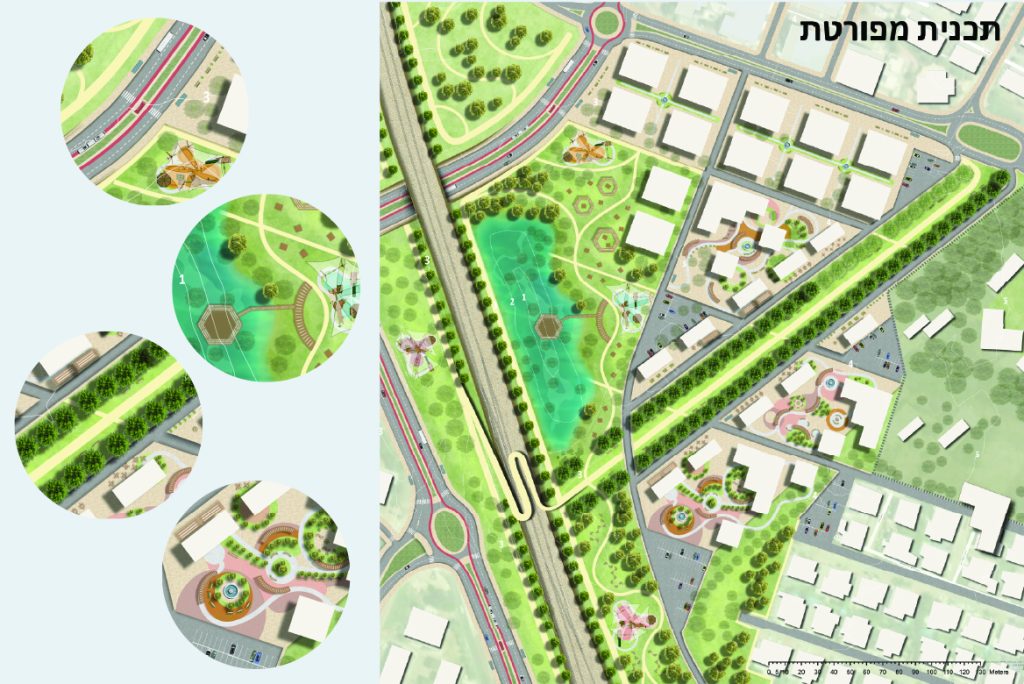
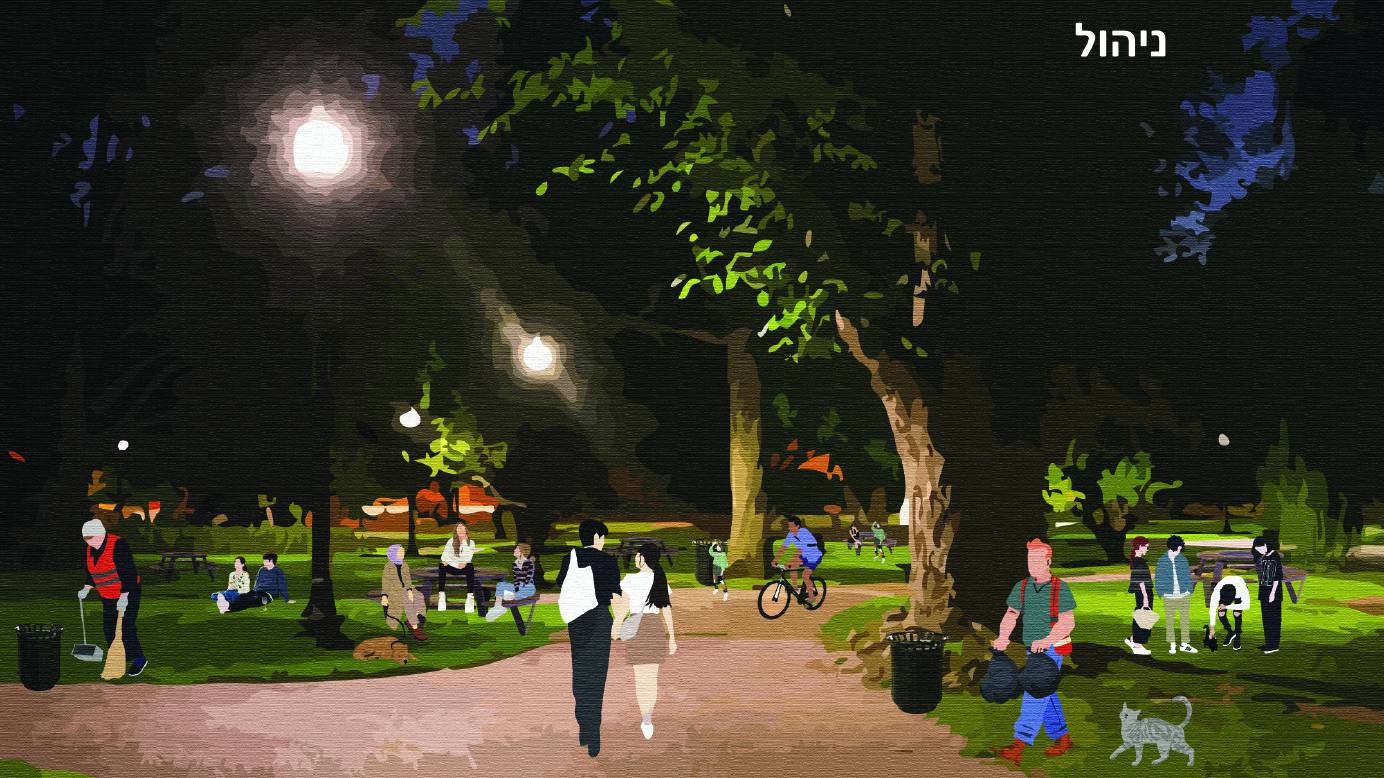
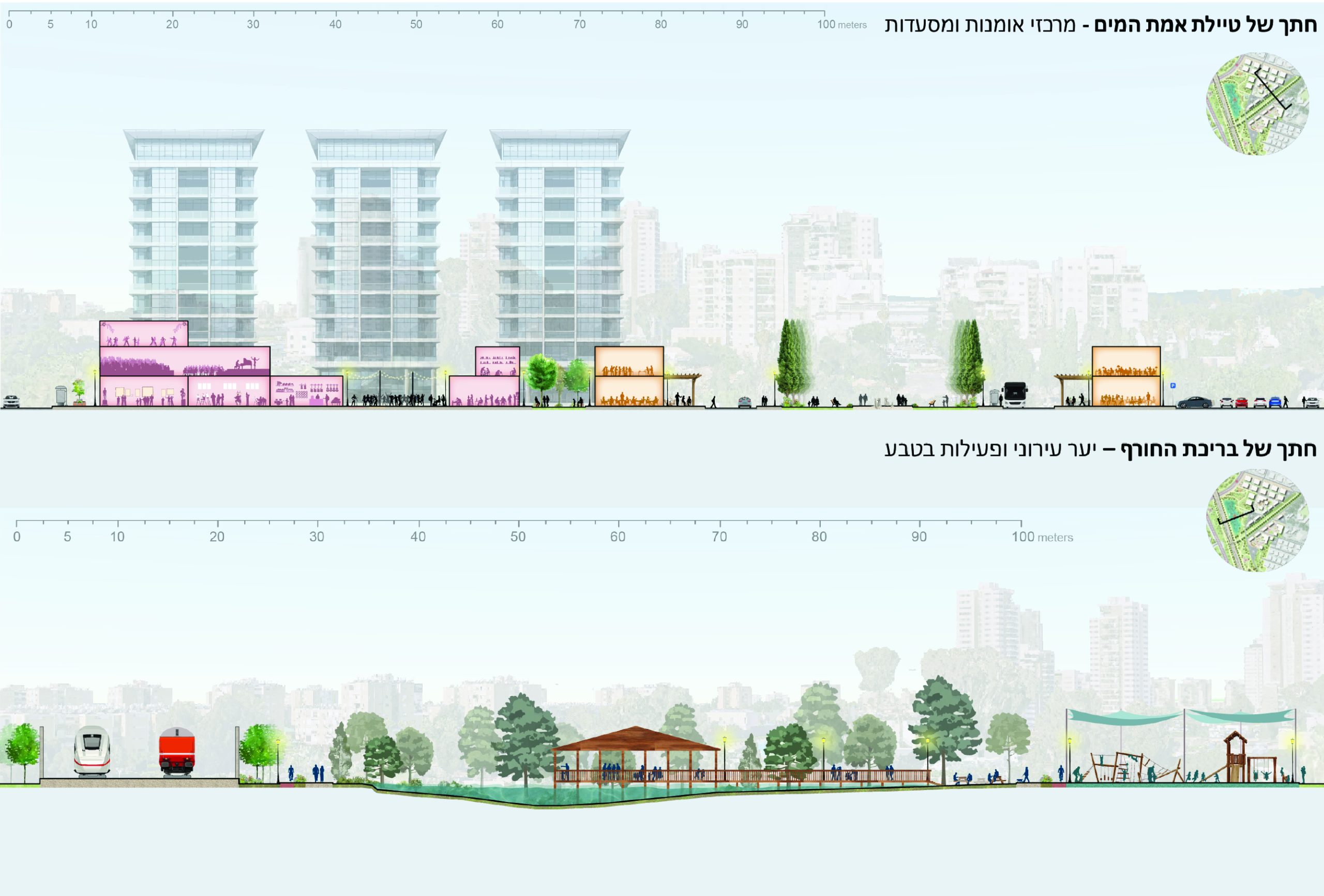
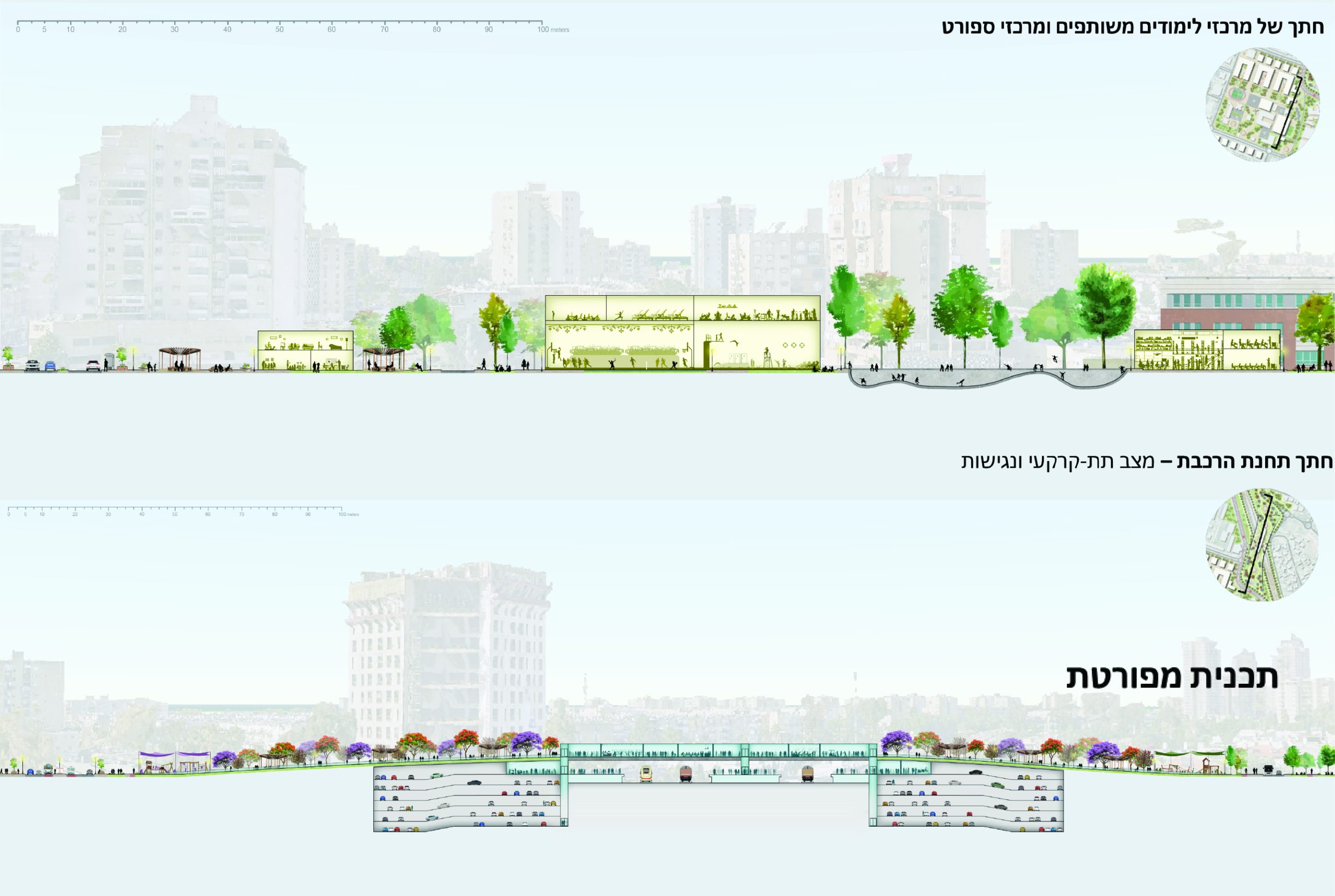
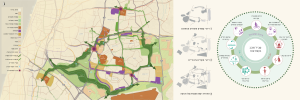
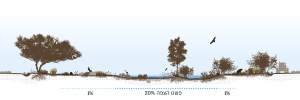
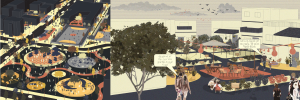
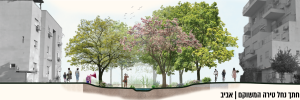
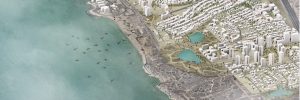
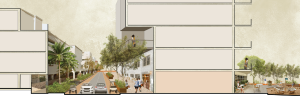
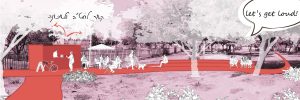
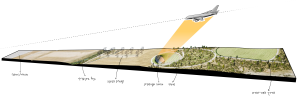
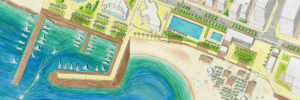
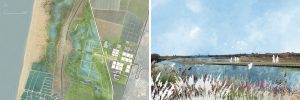
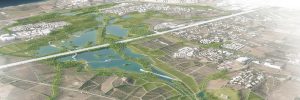
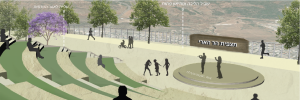
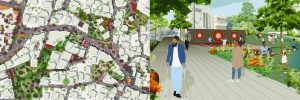
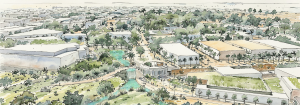
The planning proposes a three-stage plan, on a large scale to implement shared spaces throughout the city based on identifying the city’s potential and weaknesses, then examining a model for a shared space in the heart of the city, the space of the railroad tracks that creates physical separation and because of this, instead of disconnection, a connection is created, and finally on a small scale, what is the characterization of the meeting space, the details that can be added to make the spread a more inclusive place.