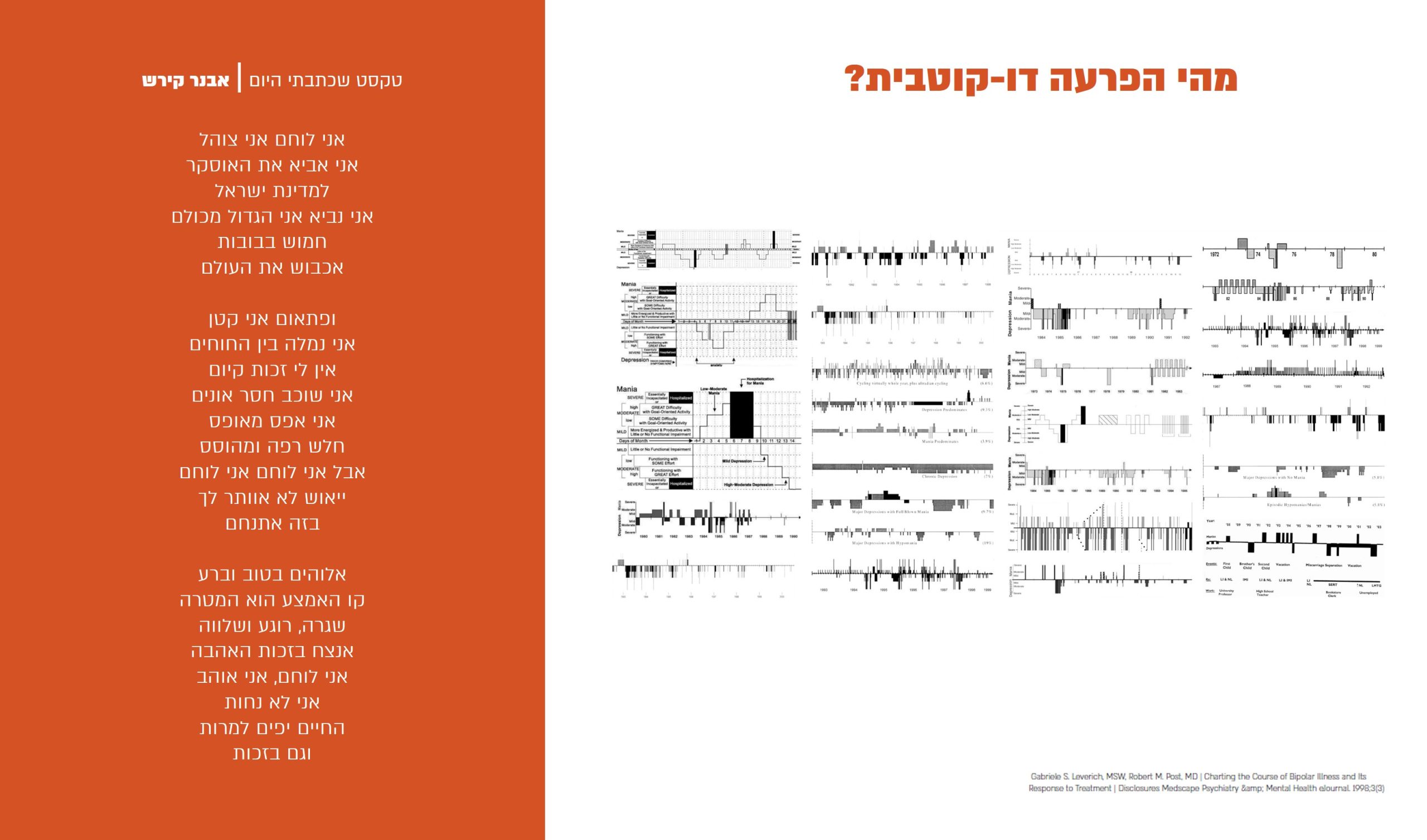


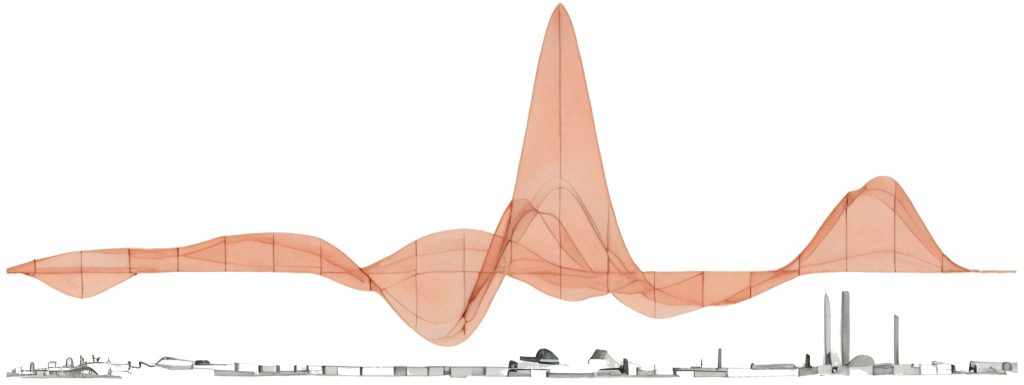
My project was born out of familiarity with the complexity of coping with bipolar disorder, based on the experiences of my uncle, who was diagnosed with manic depression. It draws on the moments when he was sharp, creative, and restless, and on the periods when he disappeared into himself, disconnected, as if the world around him had lost its colors. Can a space be defined that reflects the ceaseless movement between ebb and flow, between fullness and emptiness? A mental prism as inspiration for a planning framework.
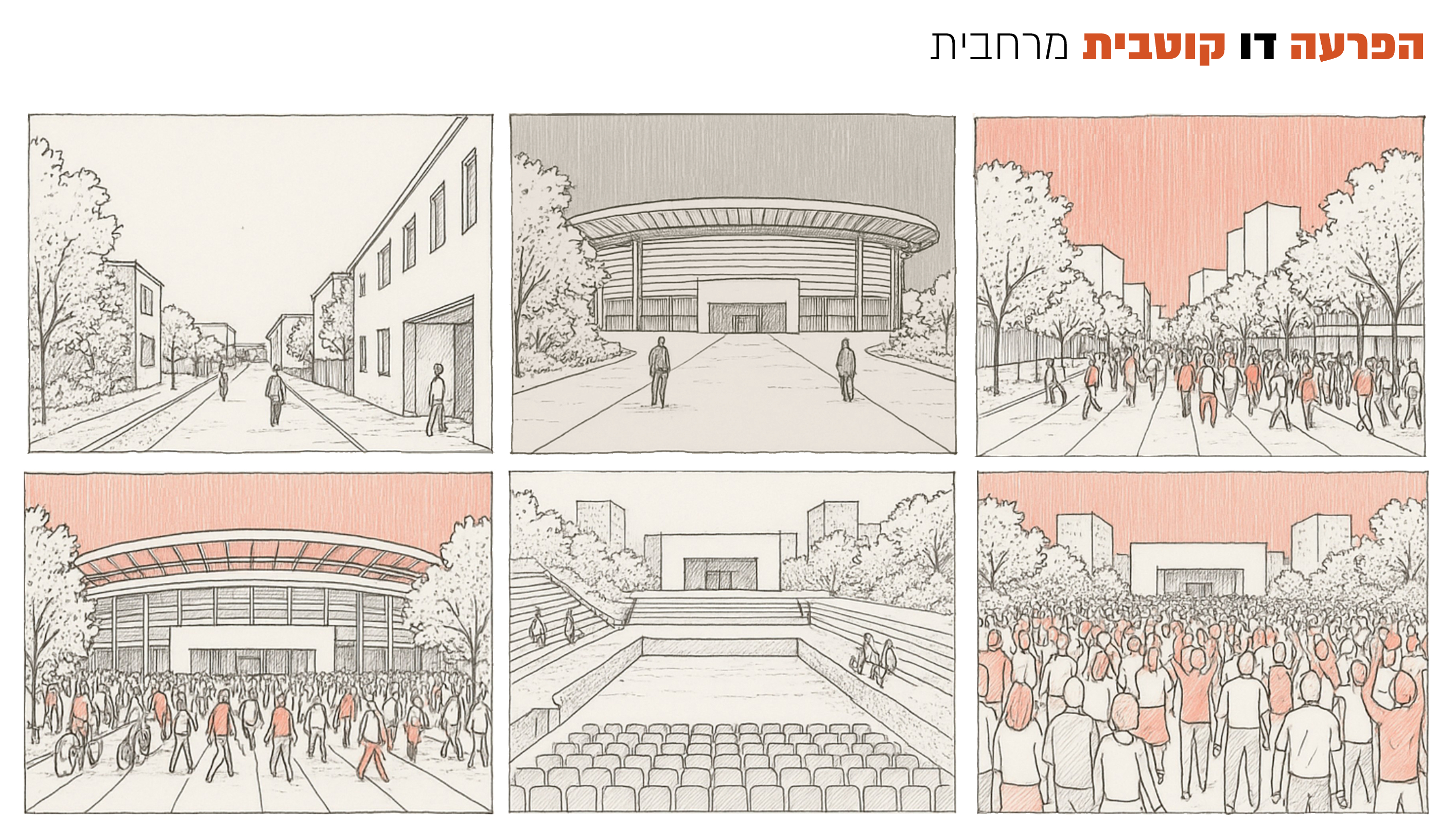
The project deals with bipolar spaces, monumental structures such as stadiums, convention centers, and performance halls, which fill up for short, intense periods and are then left empty and sealed in the heart of the city. This condition creates physical, social, and experiential disconnection, raising the question of how to design an urban space that embraces polarity not as a problem but as an organizing force.
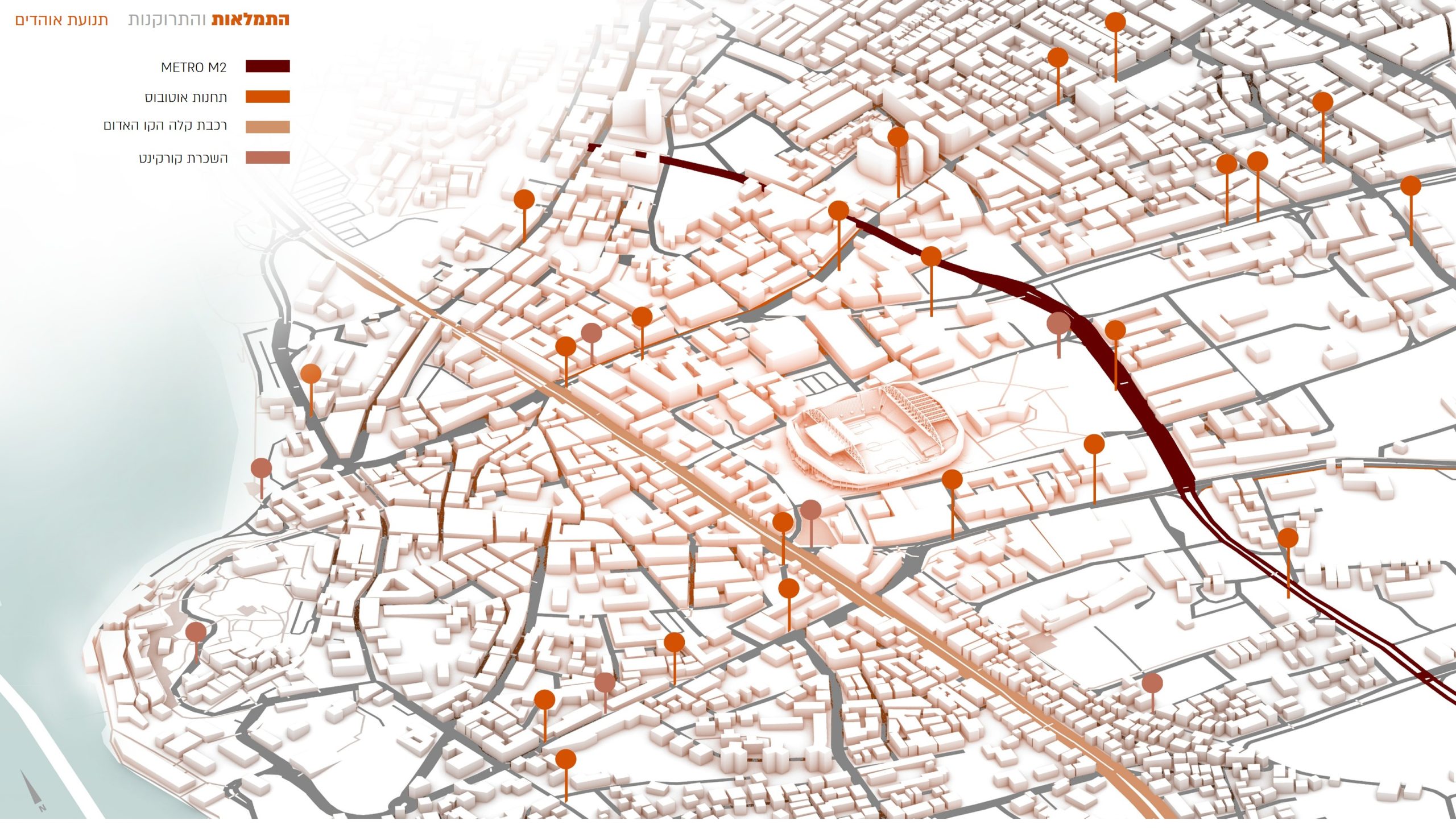
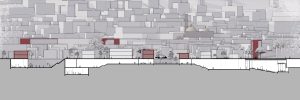
Bloomfield Stadium, in the heart of Jaffa, was chosen as a case study exemplifying this polarity. It functions as a “white elephant,” an opaque body to its surroundings, which fills and empties with extreme intensity. Its environment adds further layers of polarity: infrastructural, due to recurring floods in the “Bassa” drainage basin, a place that once served as a swamp; and historical, along Jerusalem Boulevard, which has shifted between cultural and economic flourishing, periods of neglect and decline, and partial renewal.
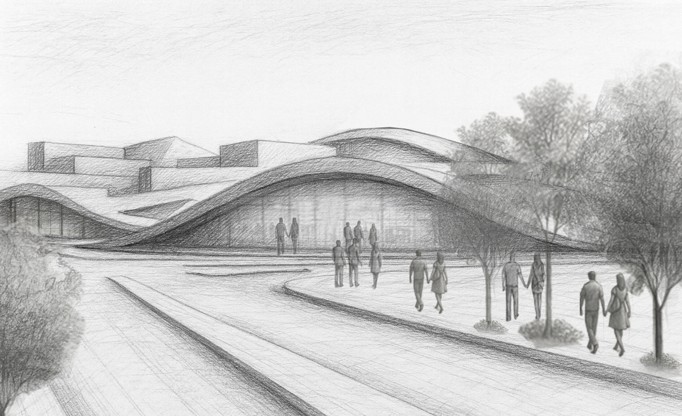
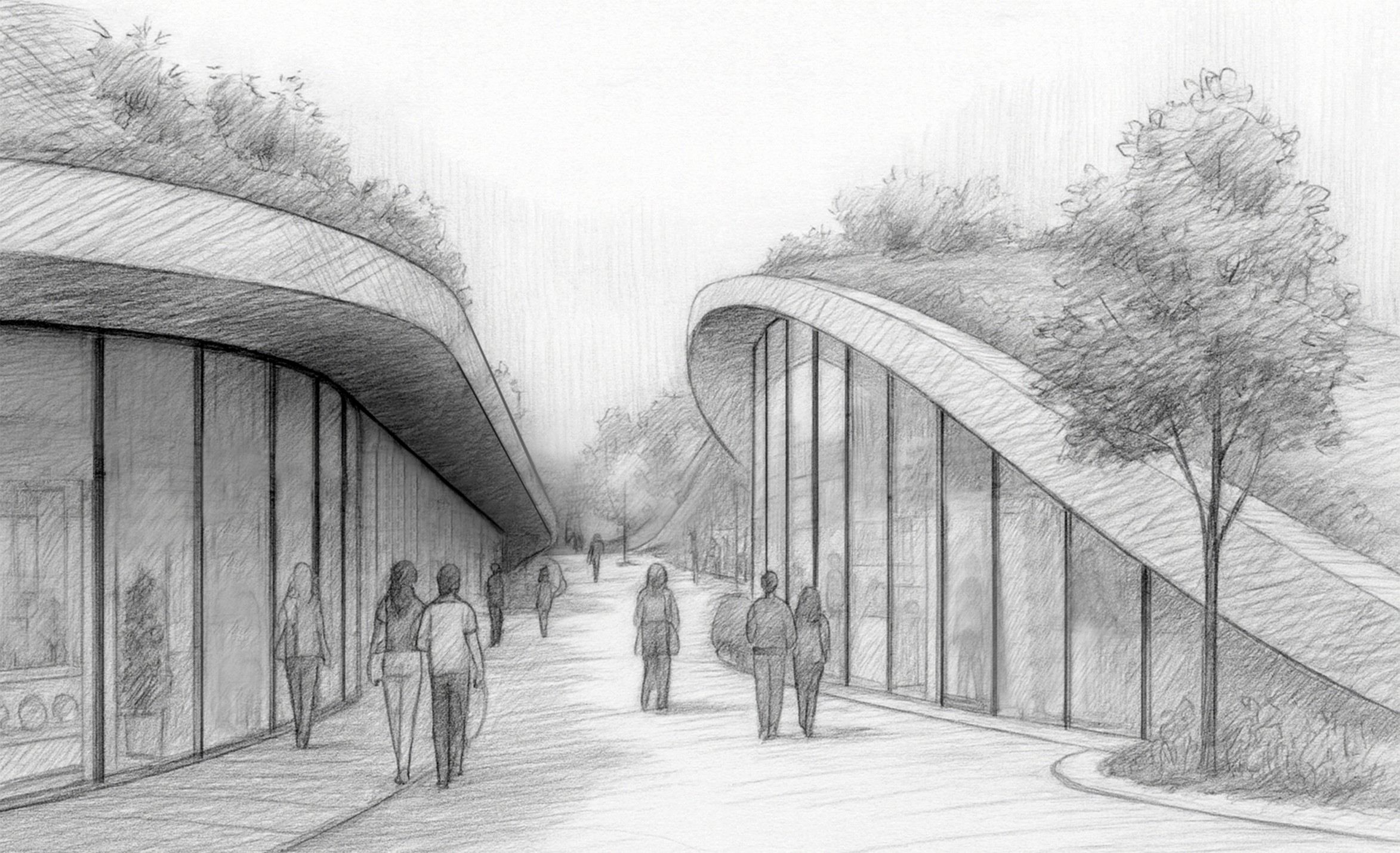
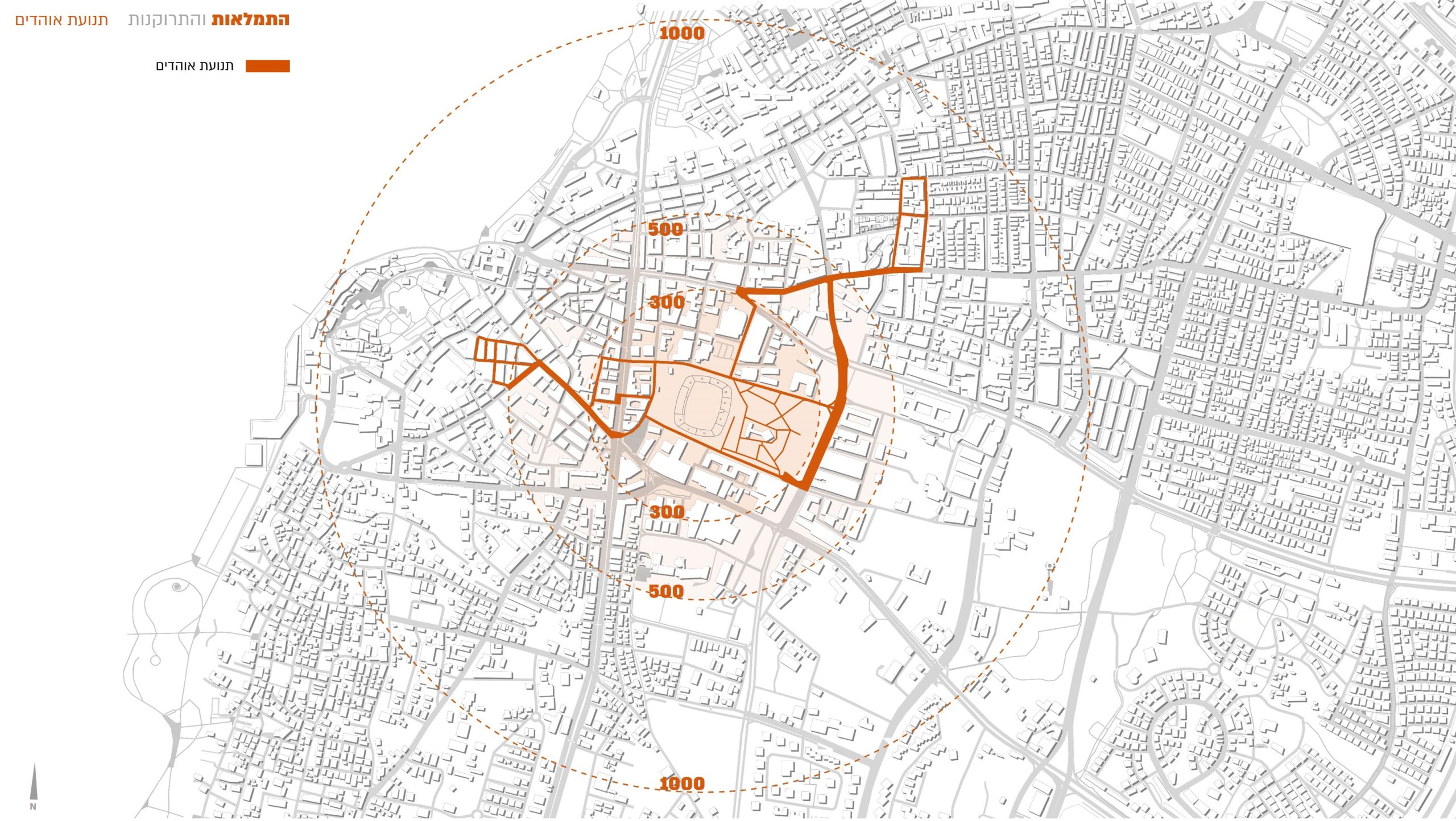
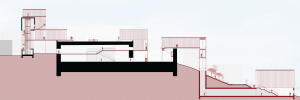
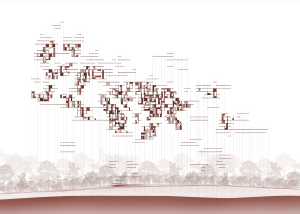
The proposed strategy creates a regulated urban system. The stadium is partially buried, and above it unfolds a multi-layered mediating fabric. This design integrates with the grid of Jerusalem Boulevard and strengthens the connectivity between the boulevard and the stadium, whose presence is re-woven into everyday life. Land folds create internal streets, commerce, and offices. Winter pools provide a solution to flooding problems and preserve the site’s memory as a swamp, while serving during the rest of the year as open public spaces. This approach does not erase polarity but transforms it into an absorptive urban system, where emptiness and fullness no longer paralyze the space, and the stadium ceases to be a disconnected body.
Beyond the local aspect, the project proposes a model that can be applied to other sites with polarity. Through a methodology that conceives bipolar spaces as part of multifunctional systems capable of absorbing changing loads and integrating diverse programs, the project becomes a starting point for a discourse on the possibility of seeing polarity as a generative planning principle in space.