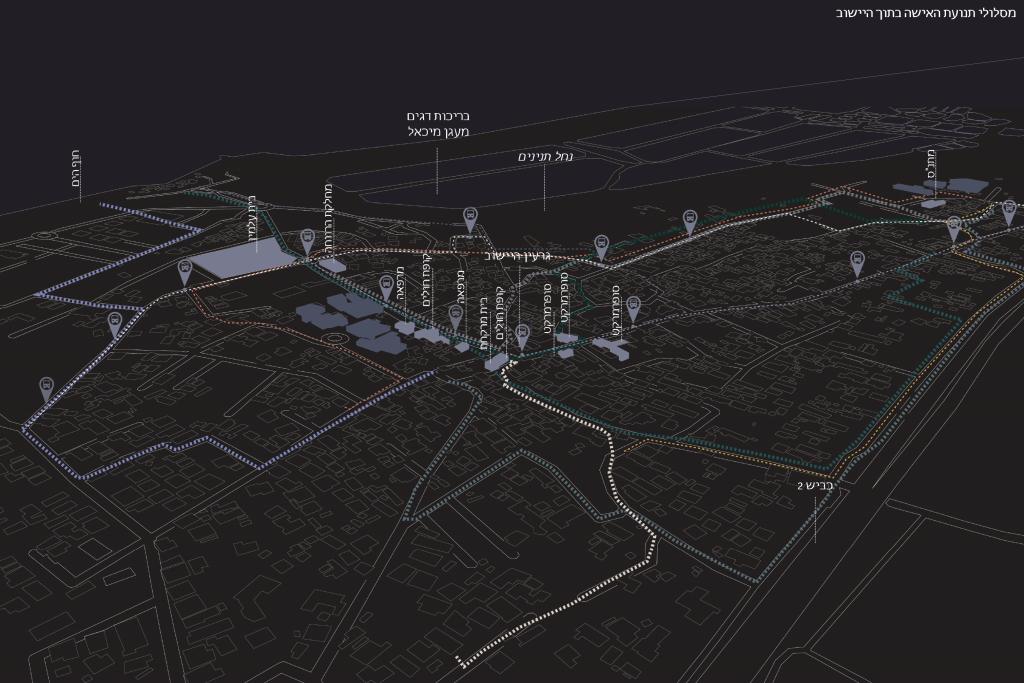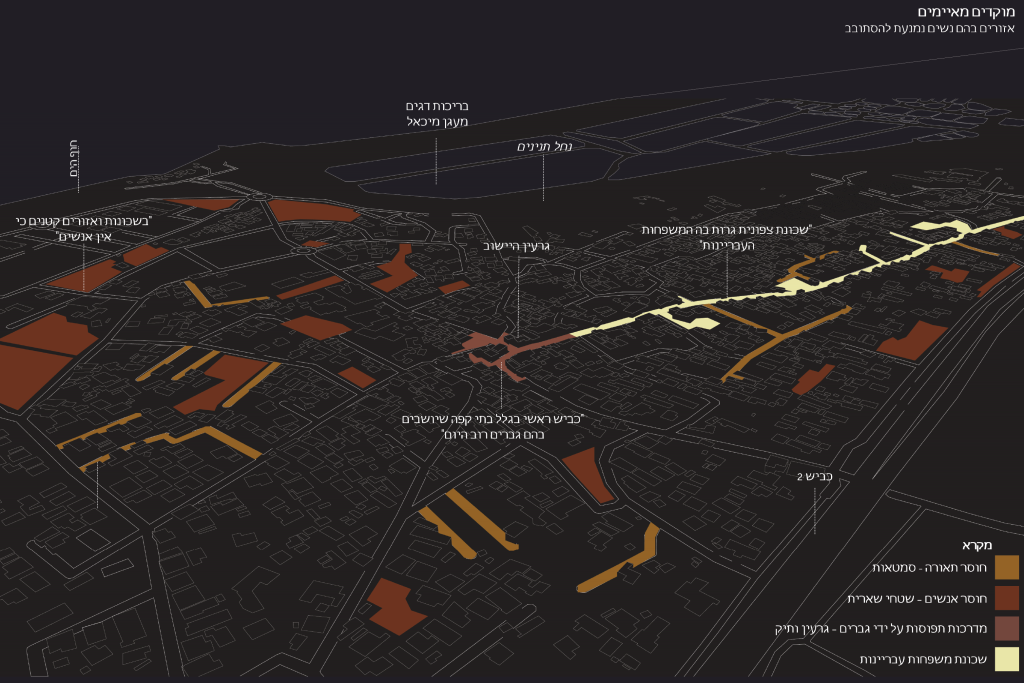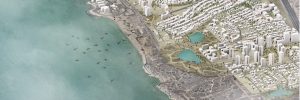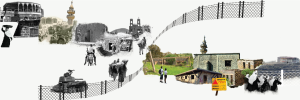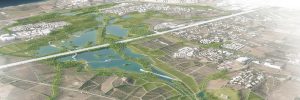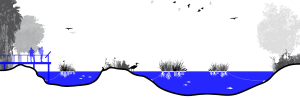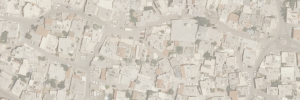


In the south, at the confluence of Nahal Tanninim and Nahal Adha, near the coast and on the chenier ridge, lies the settlement of Jisr al-Zarqa. A community with a history of displacement and expulsion, it reflects a complex reality of geographic isolation, socioeconomic marginalization, and spatial injustice. Its residents, descendants of the Al-Awwarna (Al-A’warneh) tribe, lost their natural homeland in the Kebara wetlands and the identity woven into a watery living environment, and were pushed to a remote, restricted area. The area lies between Highway 2, a nature reserve, and fish ponds. The forced relocation has led to cultural and geographic disconnection, crowding, and severe harm to development opportunities, creating deep social gaps and cycles of poverty, crime, and violence. This reality has produced a society in which women’s presence and influence are limited and barely noticeable. They face economic pressures and social barriers in a crowded space and narrow streets that induce a sense of suffocation and insecurity.
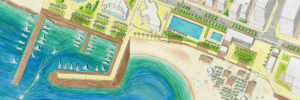
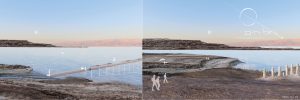
Despite this challenging reality, its geographic location near the sea and its status as the country’s only fishing village give it significant tourism potential that has yet to be realized. Because safety is not only the absence of danger but also the ability of a community, and women in particular, to act freely, participate in the economy, and live in a space built for them, the project’s goal is to create a social, security, and spatial network that strengthens and empowers the women of Jisr al-Zarqa as a lever for economic, social, and community development tailored to their needs, and to transform the village from a marginalized peripheral center into a model of social stability that promotes gender equality, safety, and accessibility.
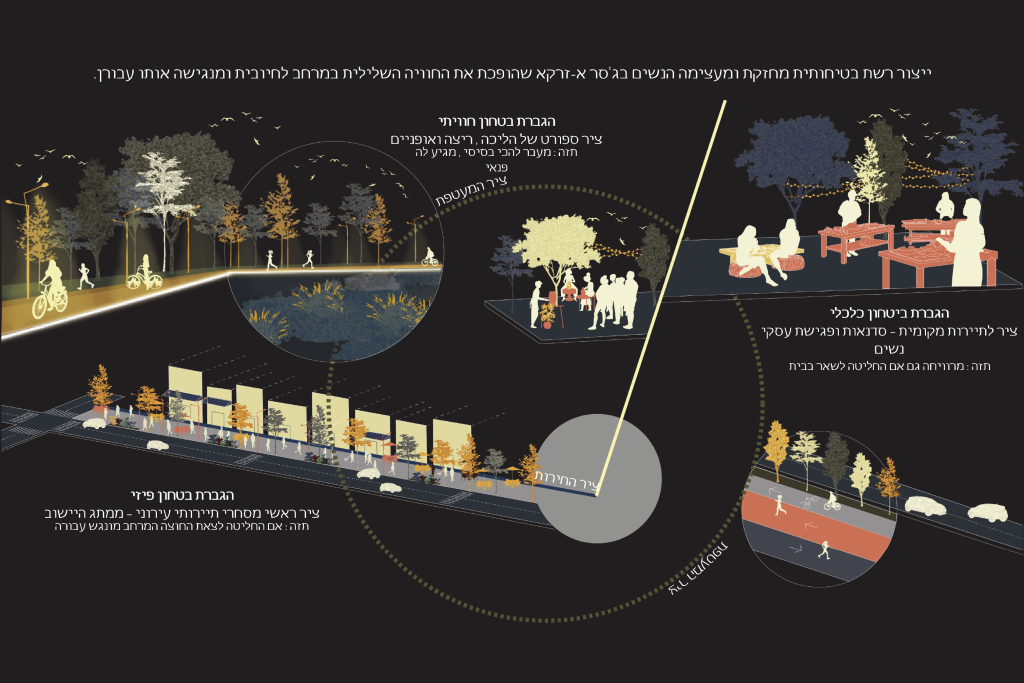
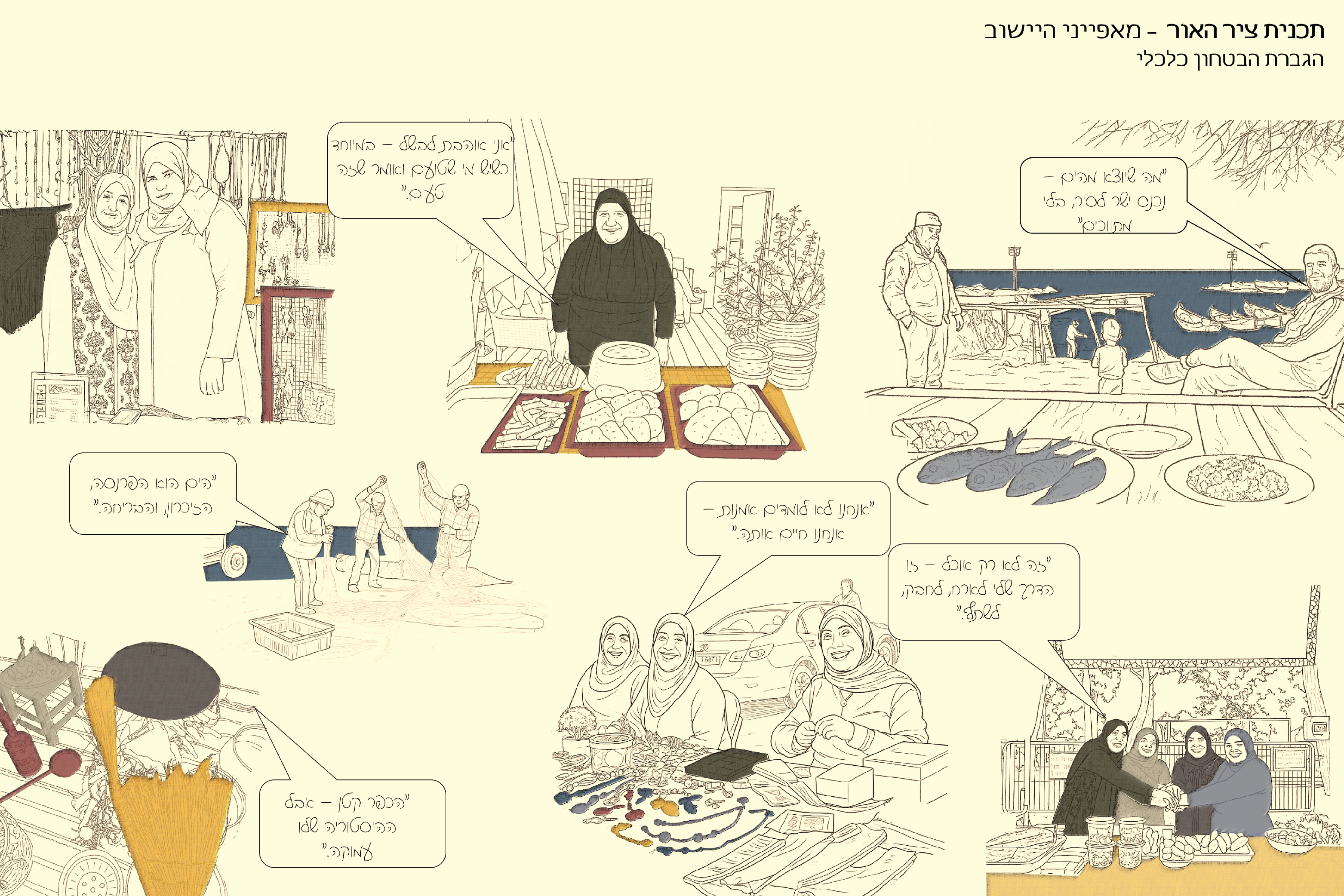
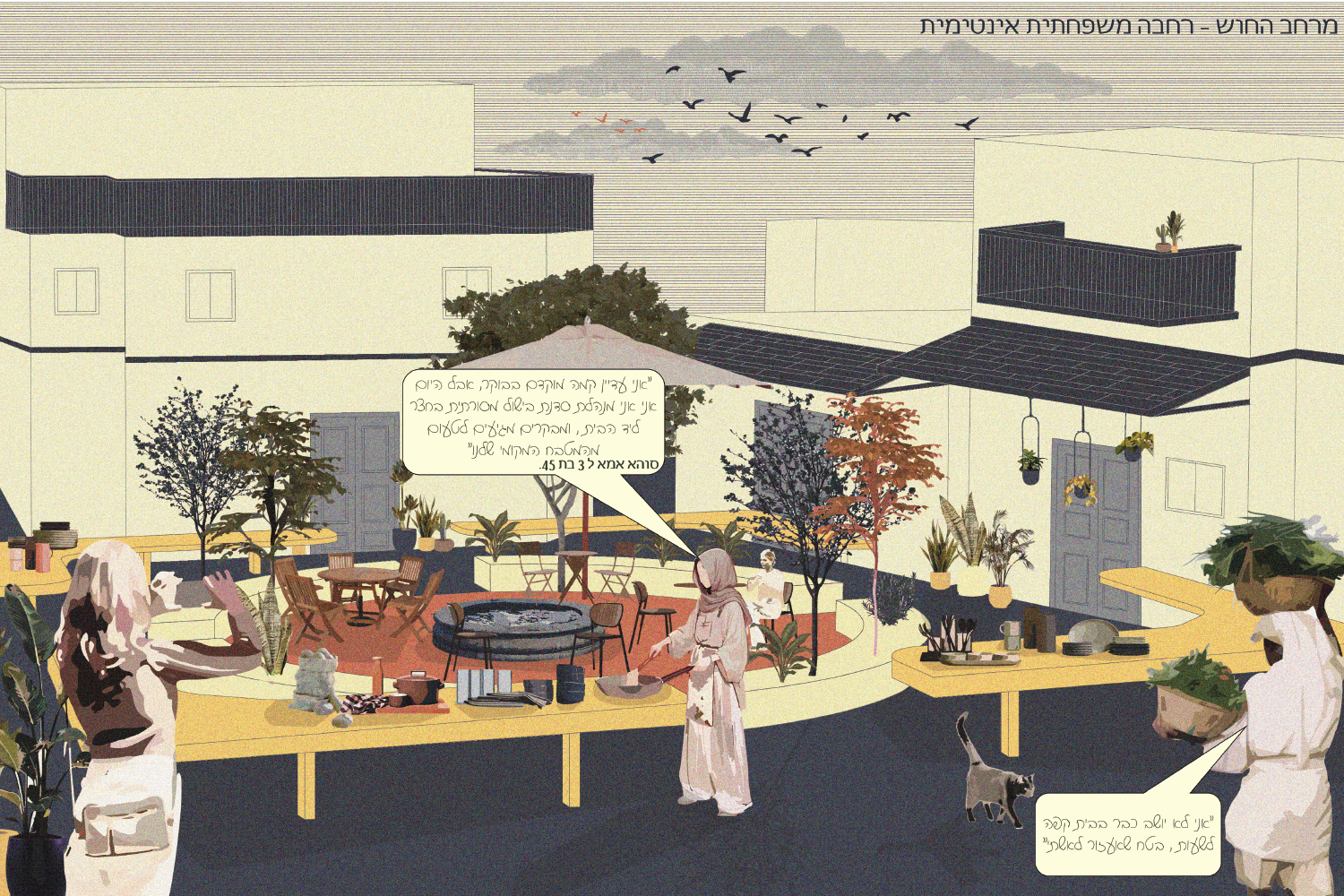
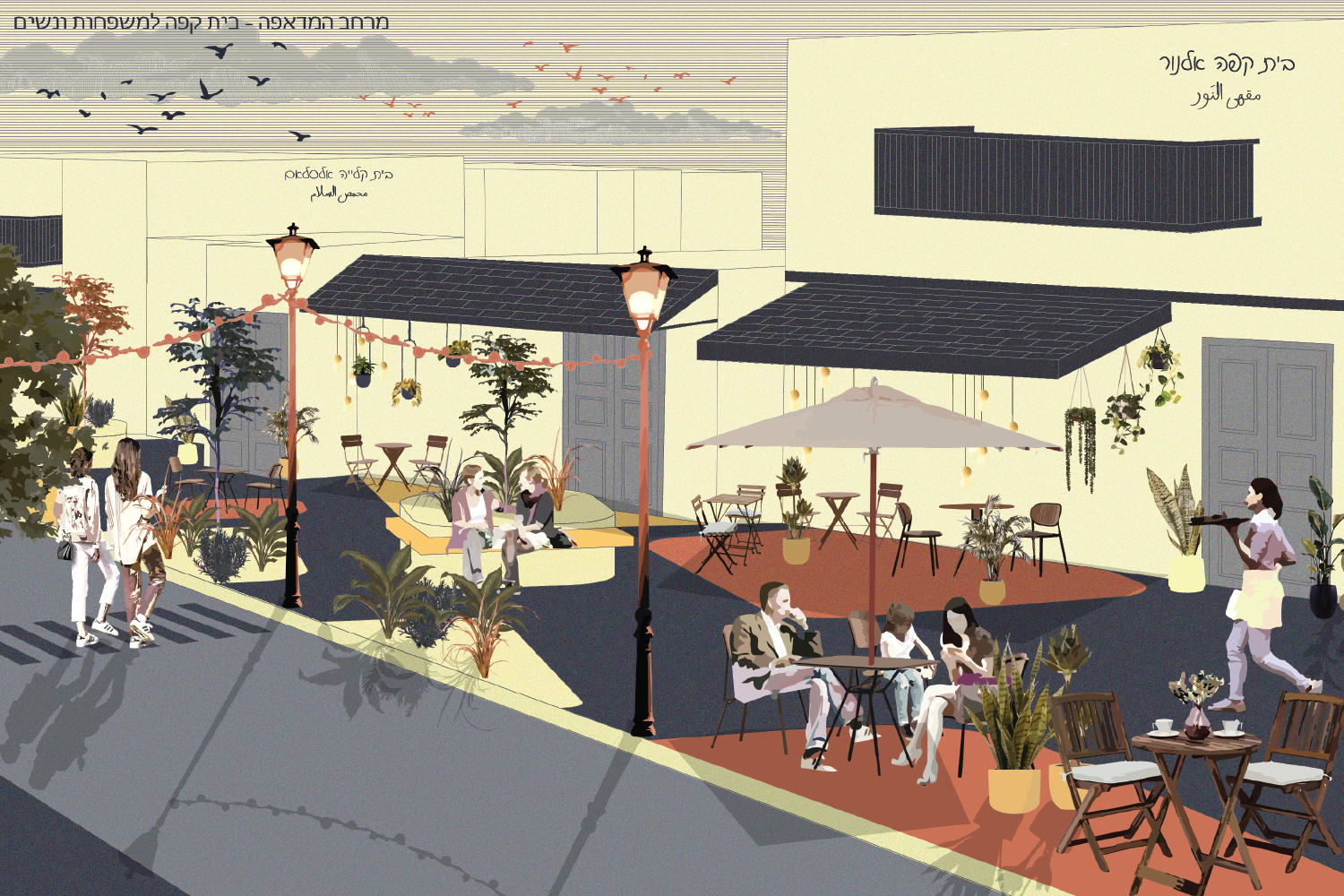
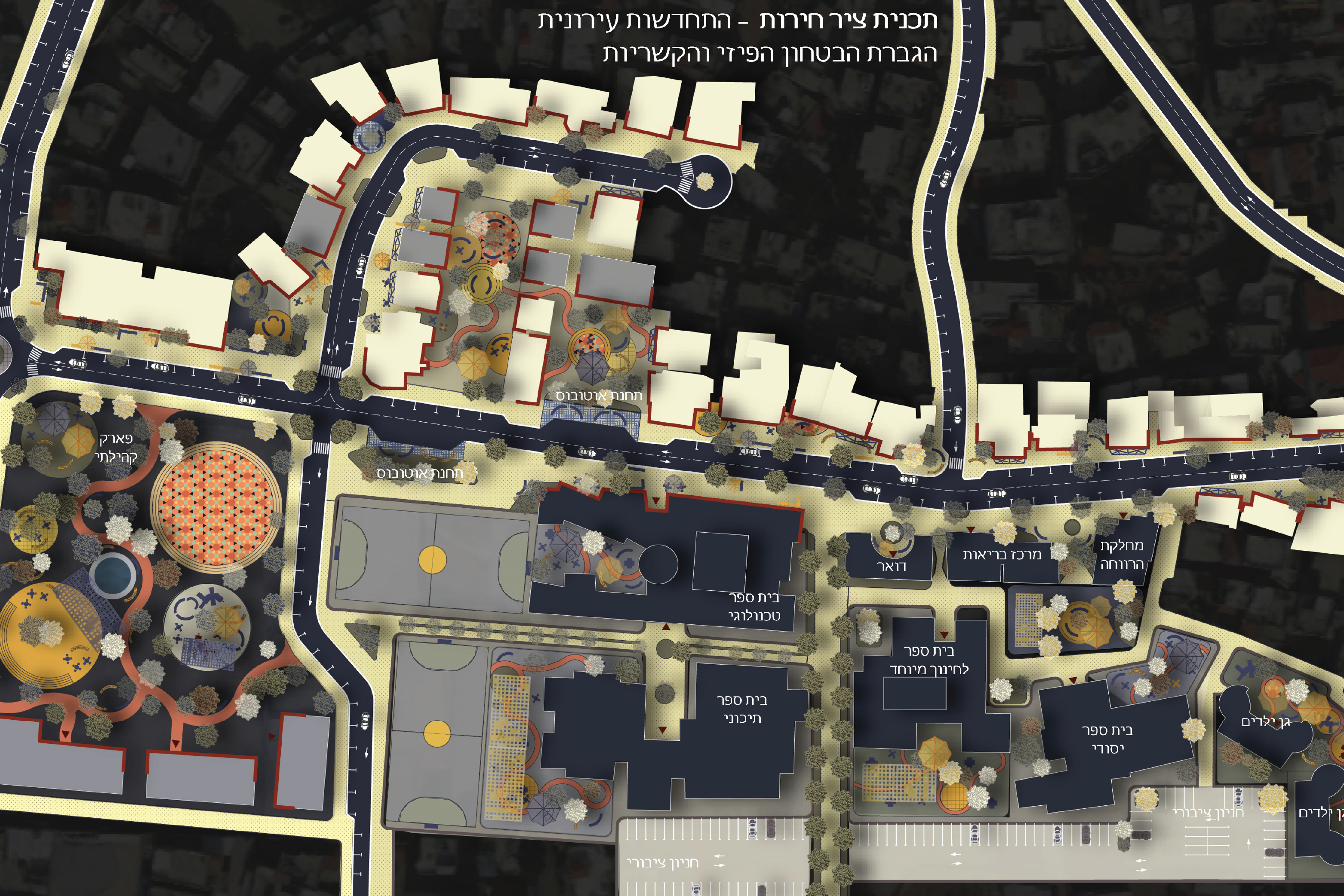
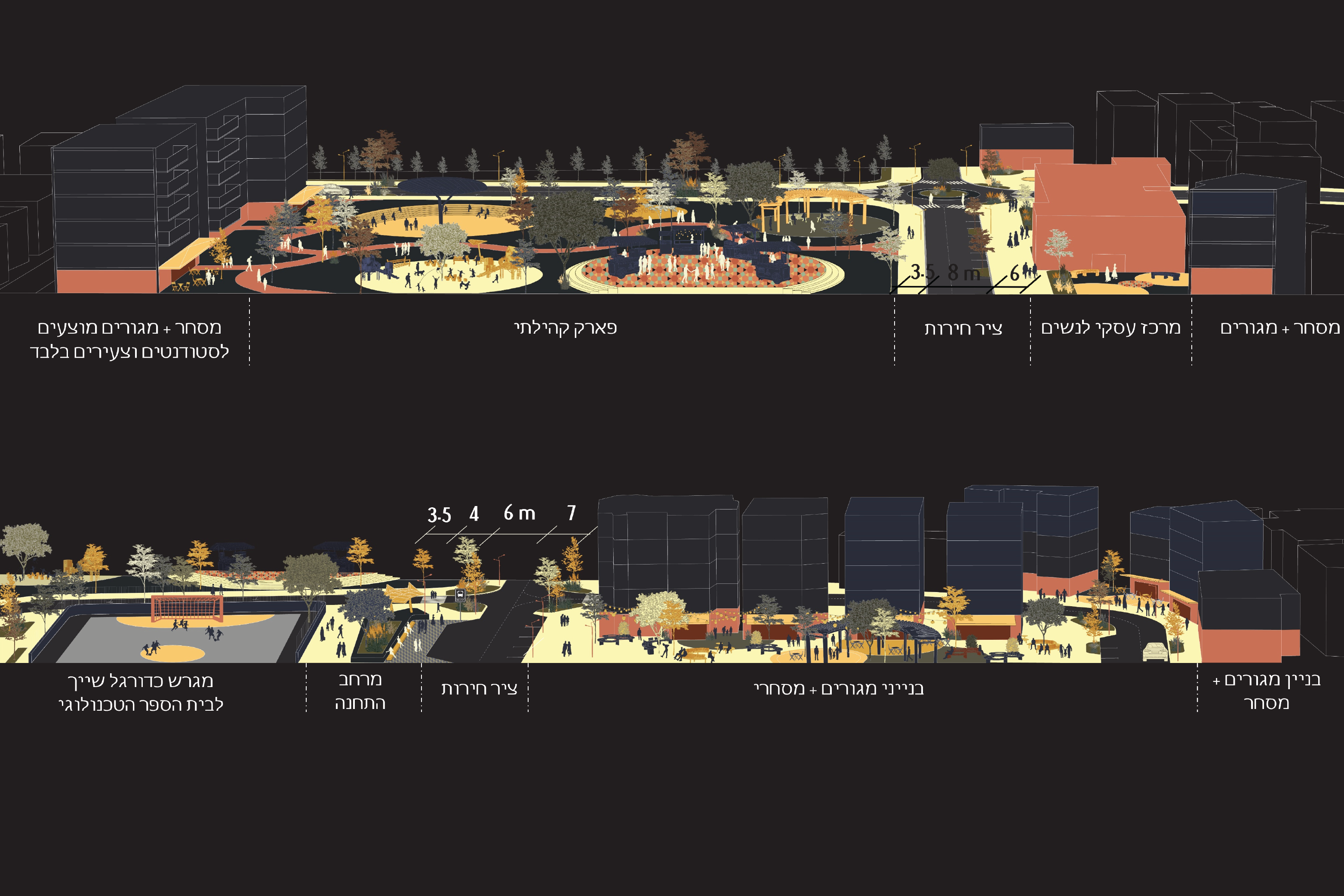
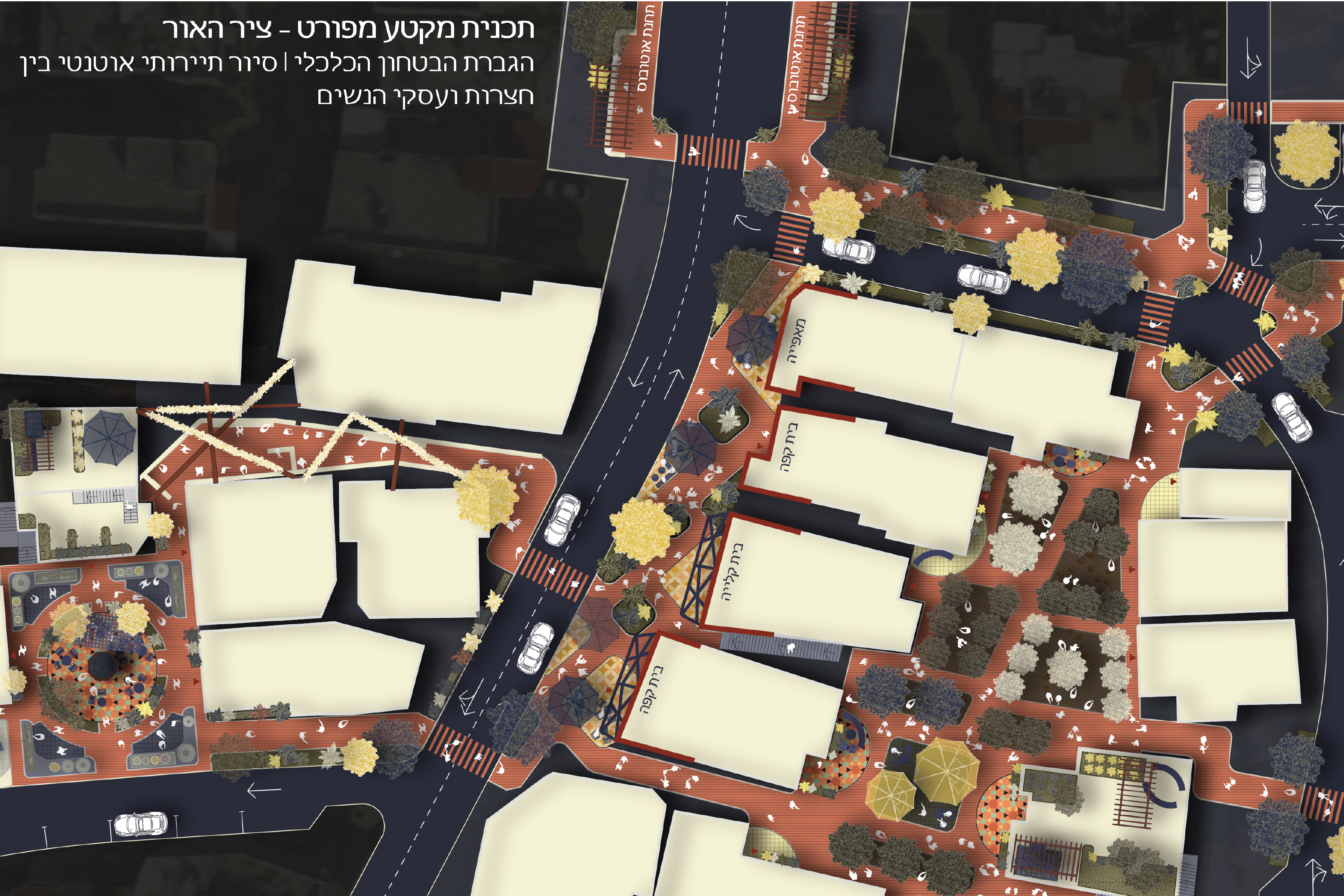
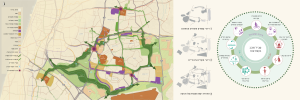
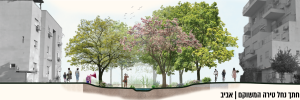
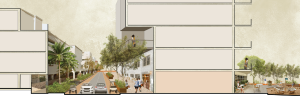
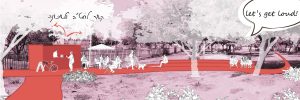
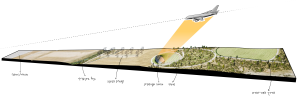
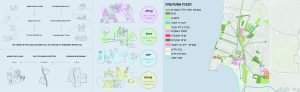
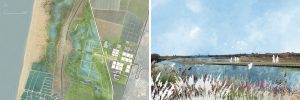
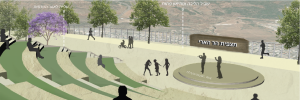
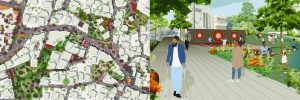
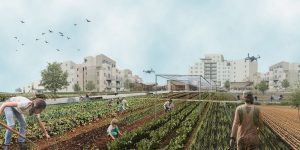
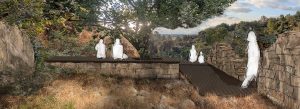
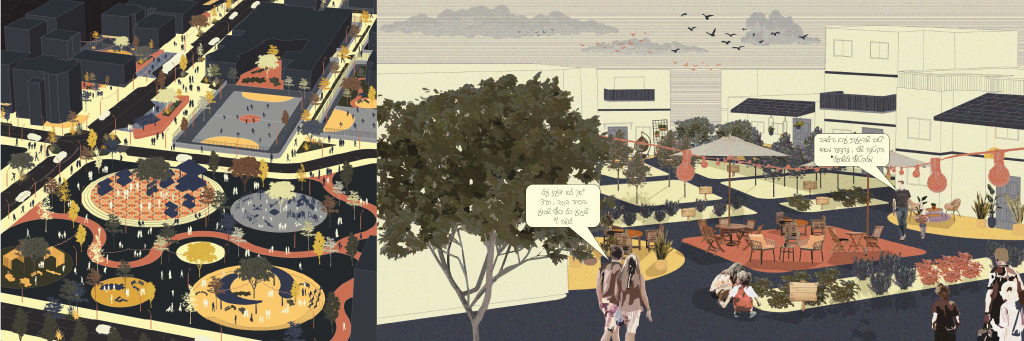
This will be achieved by establishing three types of security: physical, economic, and experiential, along three central axes of the village, including the restoration of the historic core and the cultivation of the fishing village as a unique anchor. First, physical security will be strengthened by reconfiguring street cross-sections and improving spatial connectivity. Second, economic security will be advanced by planning an authentic, culturally oriented tourism route that crosses the courtyards and rooftops of women. Finally, experiential security will be expressed in the design of walking, running, and cycling paths in the park surrounding Jisr al-Zarqa.